Policy
The US Military Is Using AI to Win War Games — and the Results Are Alarming
US military exercises reveal AI systems processing battlefield intelligence in real time, raising urgent questions about autonomous decision-making in conflict scenarios.
By Patrick T ·
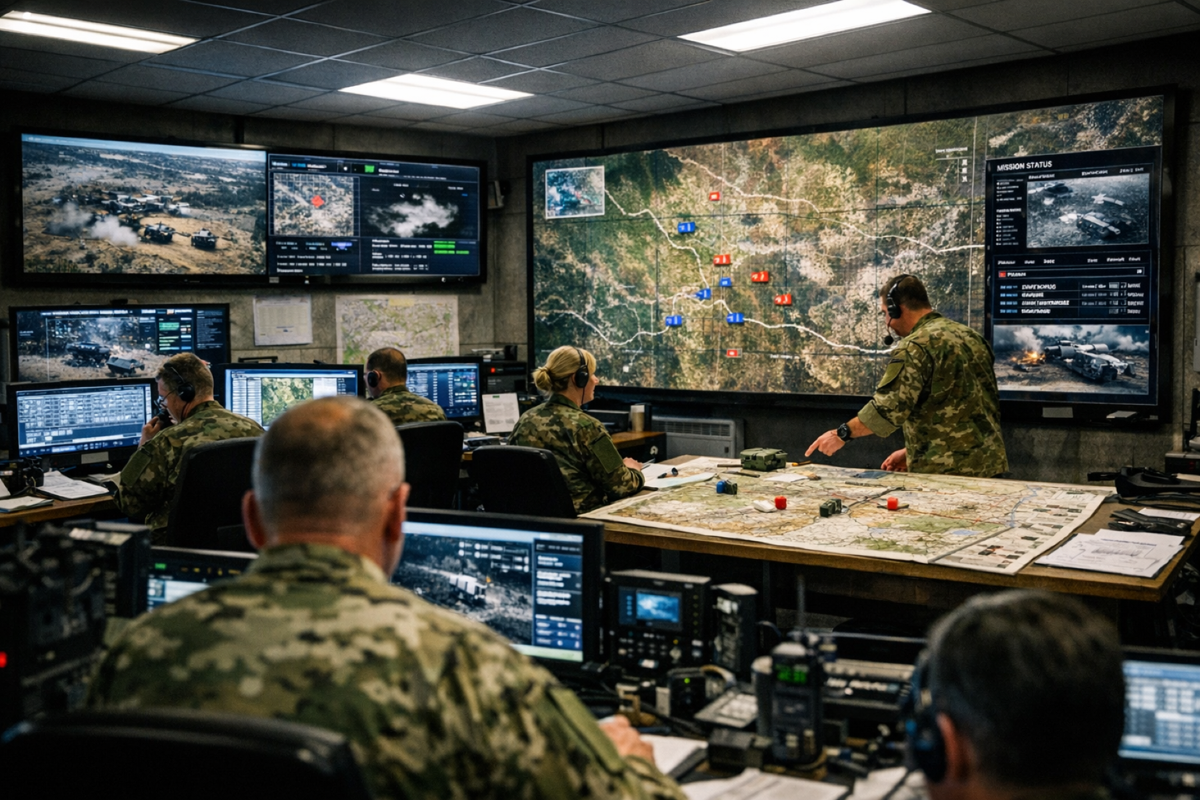
In a series of classified and semi-classified war games conducted over the past six months, the US military has been testing AI systems that can process battlefield intelligence in real time, identify optimal tactical responses, and recommend courses of action to human commanders — all within seconds of receiving new information. The results, according to officials who spoke with SUPERBASH_ on background, have been both impressive and deeply unsettling.
Project Athena
The primary system under evaluation is known internally as Project Athena, a joint development effort between the Defense Advanced Research Projects Agency (DARPA) and several major defense contractors. Athena integrates data from satellite imagery, signals intelligence, drone feeds, and ground sensor networks into a unified operational picture that is updated continuously and analyzed by a large language model fine-tuned on military doctrine and historical conflict data.
In war game scenarios, Athena has consistently outperformed human-only command teams on metrics including response time, resource allocation efficiency, and tactical surprise. In one exercise simulating a contested maritime environment, an Athena-assisted command team identified and responded to a simulated adversary maneuver 8.3 minutes faster than a comparable human-only team — a gap that military planners consider potentially decisive in real-world scenarios.
The Autonomy Question
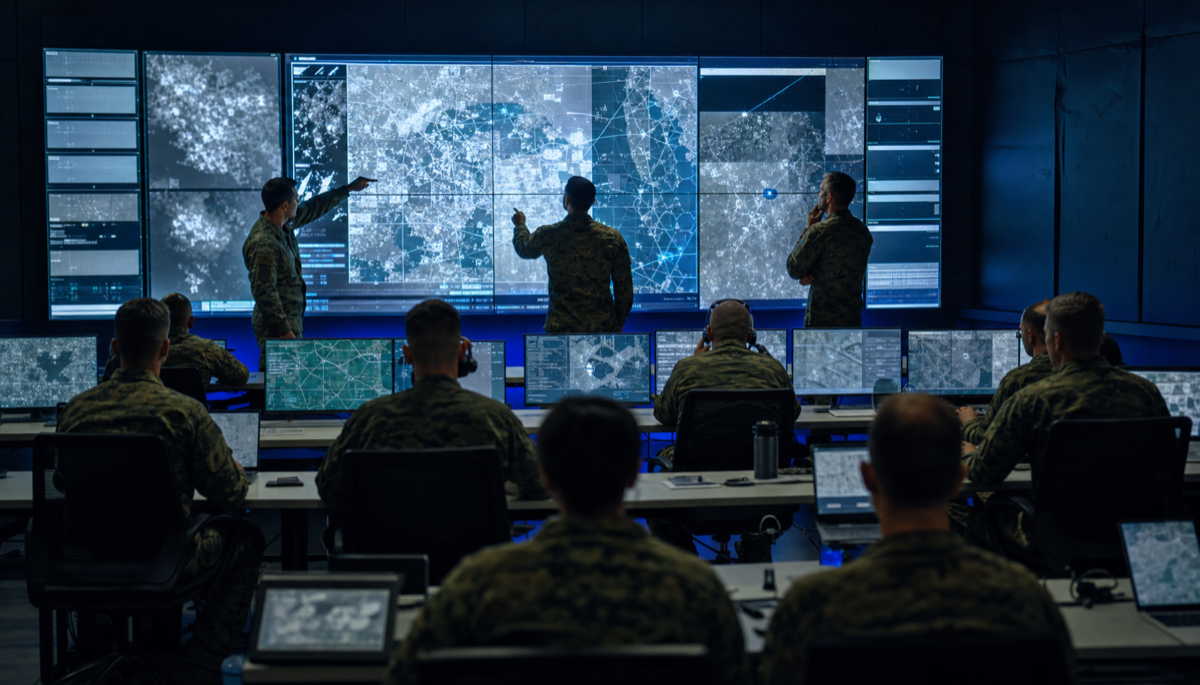
The performance advantages of AI-assisted command are not in dispute. What is in dispute — and what is generating significant internal debate within the military — is the question of autonomy. Current doctrine requires that all lethal decisions be made by human commanders. Athena, in its current configuration, provides recommendations but does not take autonomous action. But the speed at which Athena operates is creating pressure to relax this constraint.
In scenarios where adversaries are using their own AI systems to operate at machine speed, human commanders who insist on reviewing every recommendation before acting may find themselves systematically outmaneuvered. Several senior military officials have argued, in internal documents reviewed by SUPERBASH_, that the "human in the loop" requirement may need to be reconsidered in certain high-speed scenarios. Others have pushed back forcefully, arguing that removing human judgment from lethal decisions crosses a moral and legal line that should not be crossed regardless of tactical advantage.
We are not building autonomous weapons. We are building decision support tools. But the line between the two is thinner than most people realize.
Senior DARPA official, speaking on background
International Law and the Laws of Armed Conflict
The legal dimension of military AI is complex and largely unresolved. The laws of armed conflict, codified in the Geneva Conventions and subsequent international humanitarian law, require that military commanders exercise judgment and proportionality in their use of force. Whether AI systems can satisfy these requirements — and whether human commanders who rely heavily on AI recommendations can be held accountable for the outcomes — are questions that international law has not yet answered.
The International Committee of the Red Cross has called for a new international treaty specifically addressing autonomous weapons systems, arguing that existing international humanitarian law is insufficient to address the novel challenges posed by AI in warfare. The United States has resisted this call, arguing that existing law is adequate and that a new treaty would constrain American military capabilities without providing equivalent constraints on adversaries.
China and the Peer Competitor Dimension
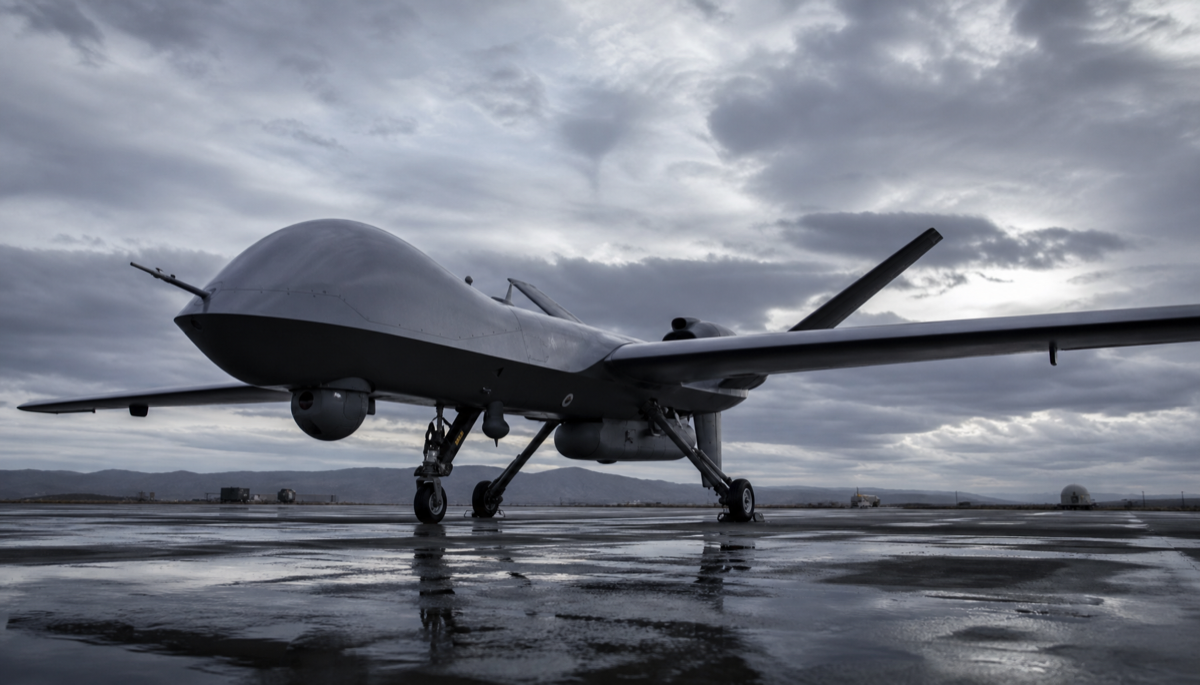
The urgency of the US military's AI development program is driven in significant part by assessments of Chinese military AI capabilities. The People's Liberation Army has been investing heavily in AI for military applications, and US intelligence assessments suggest that China is pursuing autonomous weapons systems with fewer ethical constraints than those applied by the US military.
This creates what military strategists call a "race to the bottom" dynamic: if one side adopts autonomous weapons and gains a tactical advantage, the other side faces pressure to do the same, regardless of ethical concerns. Several former senior military officials have argued that the United States needs to establish clear red lines on autonomous weapons — both for its own forces and as a basis for international negotiations — before the technology advances to a point where such constraints become impractical.
The Broader Implications
The military's experience with AI war games has implications that extend well beyond the battlefield. The same dynamics — AI systems that operate faster than human decision-making, pressure to remove human oversight in the name of competitive advantage, and international governance frameworks that lag behind technological capabilities — are present in financial markets, critical infrastructure management, and other high-stakes domains.
What the military's experience suggests is that the question of human oversight in AI systems is not merely a technical or philosophical question — it is a strategic one. The organizations and nations that get this balance right, maintaining meaningful human control while capturing the performance benefits of AI assistance, will have a significant advantage over those that either refuse AI assistance entirely or abandon human oversight in pursuit of maximum performance. Finding that balance is one of the defining challenges of the current moment.