Policy
Military AI Regulation Moves To Geneva As The G7 Watches
Geneva talks on military AI are beginning alongside G7 diplomacy, giving autonomous-weapons rules a higher-profile moment. The challenge is whether governments can define minimum human-control standards before battlefield deployment outruns negotiation.
By Michael C ·
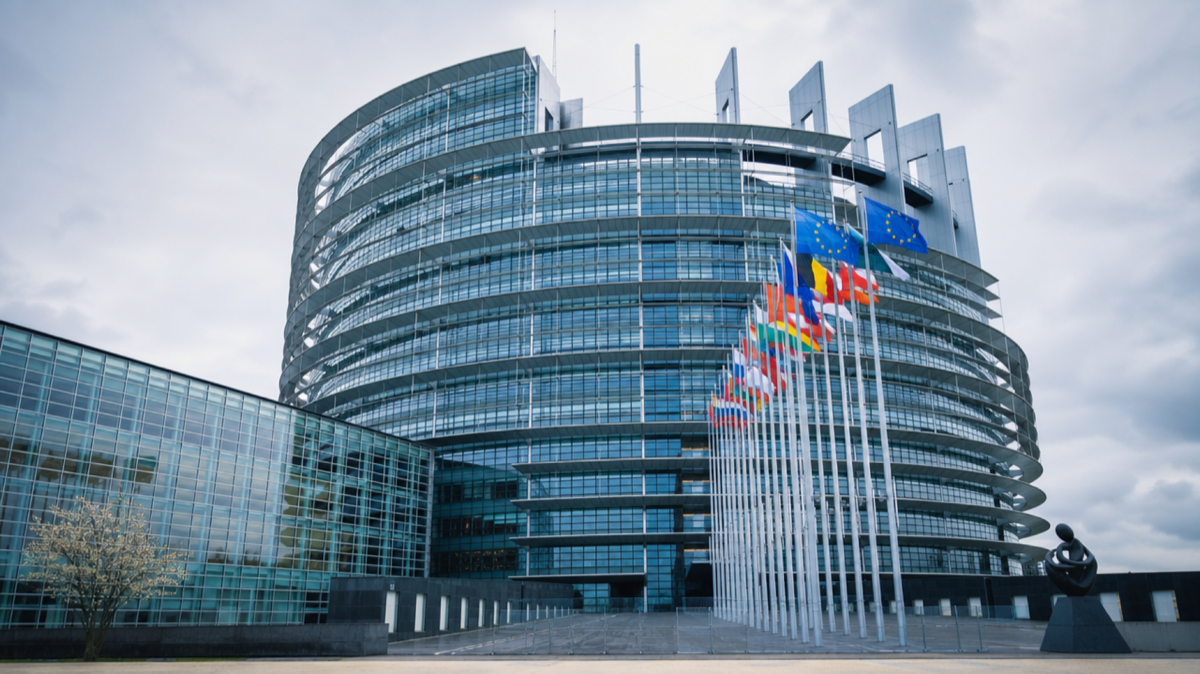
Military AI regulation is moving into focus in Geneva this week, with discussions alongside the G7 placing autonomous weapons and AI-assisted warfare on the diplomatic agenda. The key institutions and terms in this story include Le Monde, United Nations Office for Disarmament Affairs, Convention on Certain Conventional Weapons, International Committee of the Red Cross, human oversight.
The timing matters because AI is already changing targeting, surveillance, logistics, cyber operations, and command support. The longer governments wait to set rules, the more military practice will define norms by default.
The Window For Minimum Standards Is Narrowing
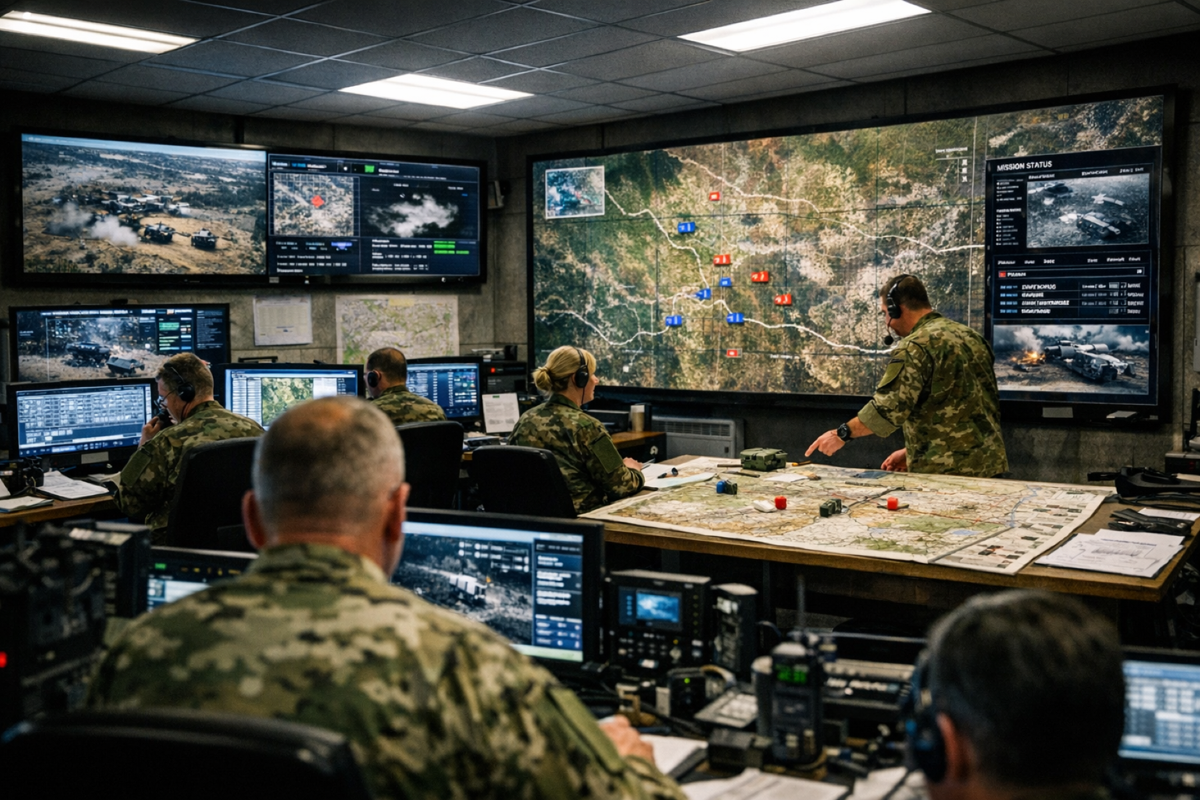
Diplomacy Meets Deployment Speed
The story also sits inside a broader map of Le Monde, United Nations Office for Disarmament Affairs, Convention on Certain Conventional Weapons, International Committee of the Red Cross, autonomous weapons, human oversight. These are no longer separate news lanes. They are becoming one operating environment for AI companies, customers, regulators, developers, and investors.
The next test is execution. Announcements can set the frame, but users and institutions will judge the shift by reliability, governance, cost, and whether the technology makes real work easier without quietly moving risk somewhere else.
Topics: military AI, Geneva, G7, autonomous weapons