Policy
Geneva’s Military AI Talks Put Human Control Back On The Diplomatic Agenda
Ahead of June 15 discussions in Geneva, diplomats and civil-society groups are trying to move military AI toward minimum international standards. The issue is no longer theoretical: AI-assisted targeting, autonomy, and command systems are entering real conflicts.
By Michael C ·
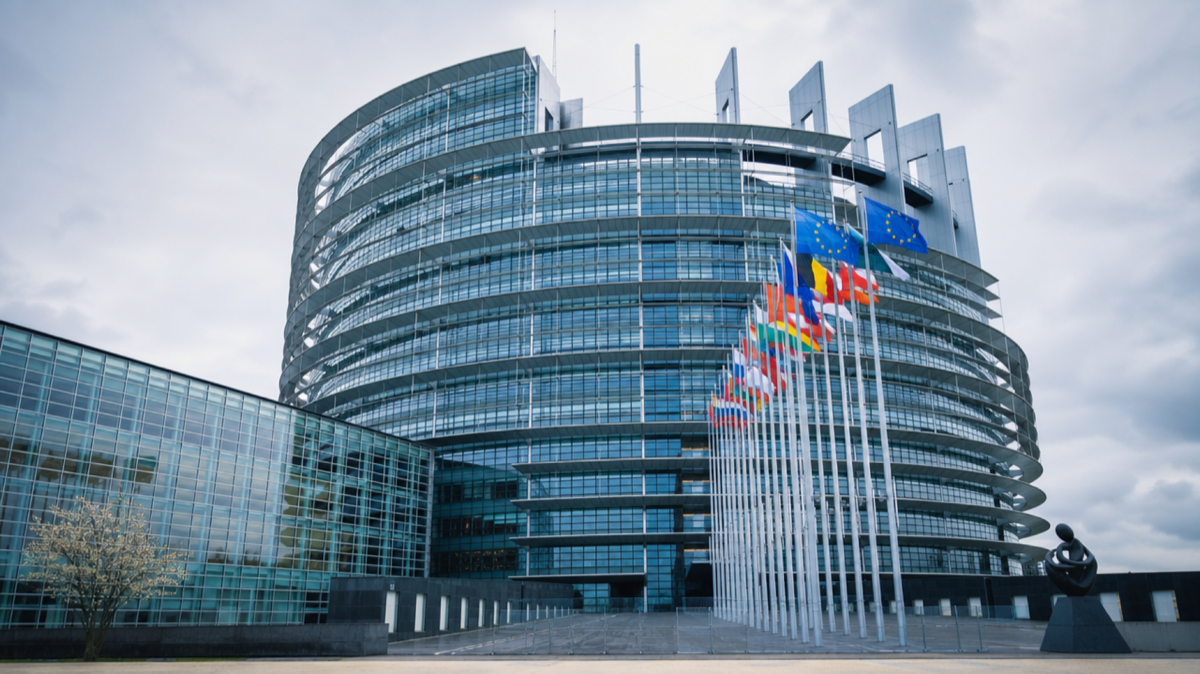
Diplomatic attention is turning to Geneva as governments and civil-society groups push for stronger rules around military AI and autonomous weapons under the Convention on Certain Conventional Weapons. The key institutions and terms in this story include Le Monde, United Nations Office for Disarmament Affairs, International Committee of the Red Cross, human oversight.
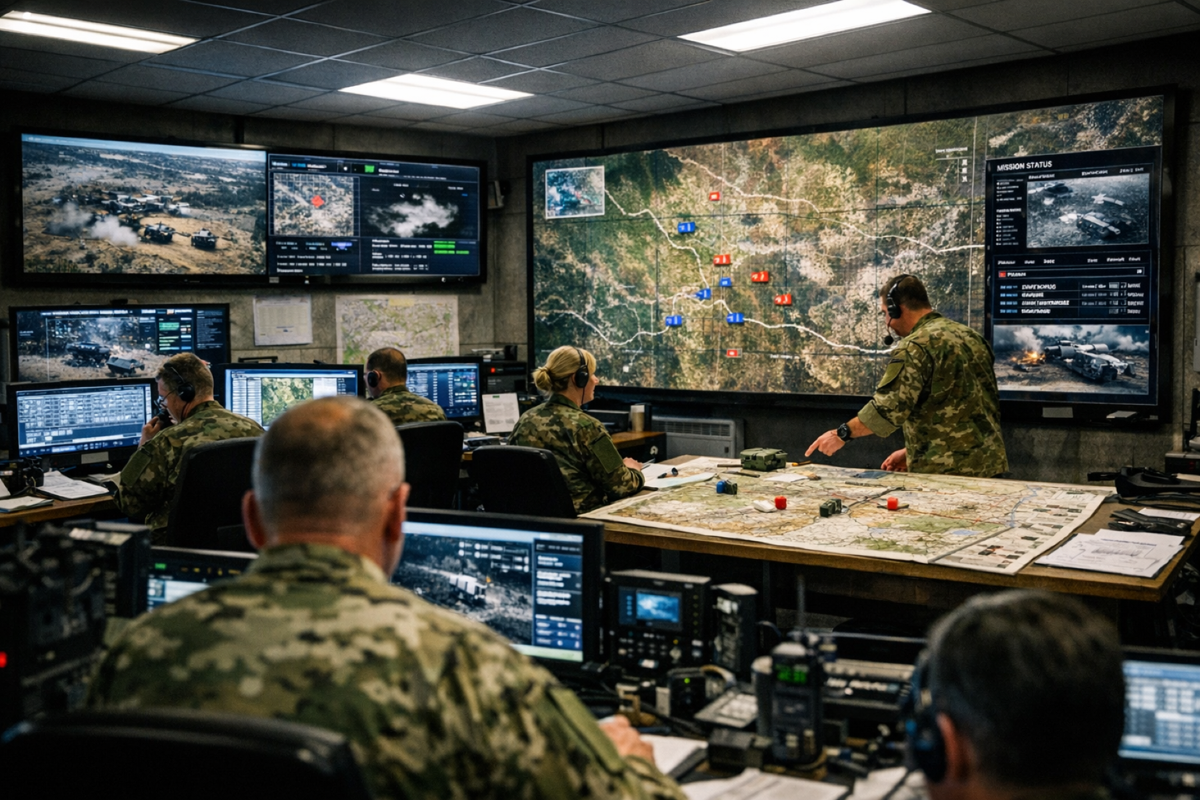
The timing matters because military AI raises a different risk profile from commercial automation. Speed, opacity, battlefield uncertainty, and escalation dynamics make human oversight more than an ethical slogan; it is a stabilizing mechanism.
Human Control Is The Baseline
The Hard Part Is Verification
The story also sits inside a broader map of Le Monde, United Nations Office for Disarmament Affairs, Convention on Certain Conventional Weapons, International Committee of the Red Cross, autonomous weapons, human oversight. These are no longer separate news lanes. They are becoming one operating environment for AI companies, customers, regulators, developers, and investors.
The next test is execution. Announcements can set the frame, but users and institutions will judge the shift by reliability, governance, cost, and whether the technology makes real work easier without quietly moving risk somewhere else.
Topics: military AI, autonomous weapons, Geneva, AI governance