Policy
Pentagon Pushes Battlefield AI as Military Leaders Urge Caution — Hegseth vs. Anthropic Over Autonomous Weapons
The Trump administration is rapidly advancing AI integration into military operations, but Defense Secretary Pete Hegseth's aggressive stance on autonomous weapons has triggered a major clash with Anthropic, resulting in a $200 million contract cancellation and ongoing litigation.
By Michael C ·
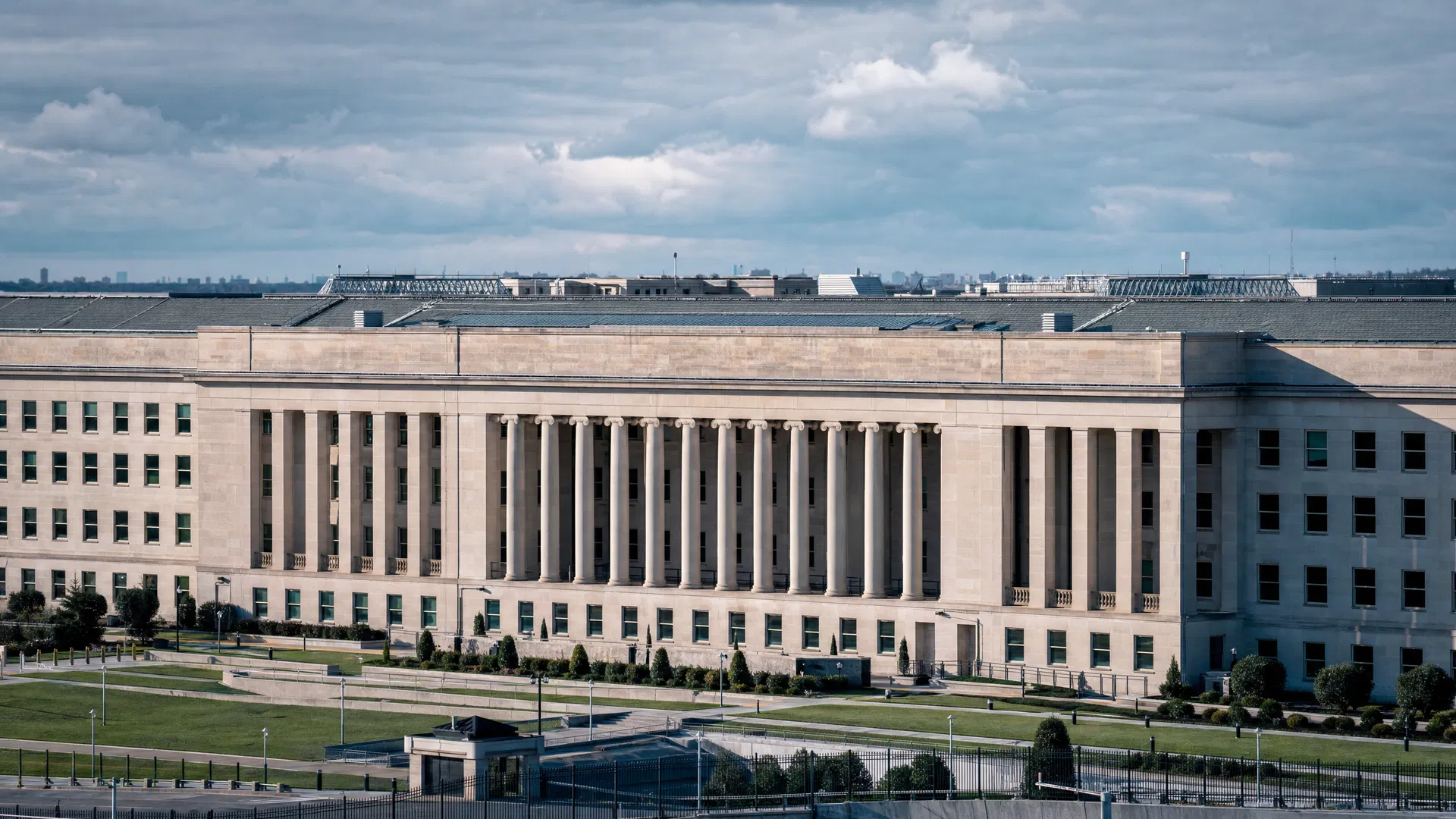
The Trump administration is pushing aggressively to integrate artificial intelligence into military operations, but the initiative has collided with significant resistance from some technology companies and even cautionary notes from top military leaders. The conflict has become unusually public, with Defense Secretary Pete Hegseth taking a hardline stance on the military's right to deploy AI without restrictions, while Anthropic, one of the leading AI companies, has refused to compromise on safety concerns.
Adm. Frank Bradley, head of U.S. Special Operations Command, told attendees at a recent special forces conference in Tampa, Florida, that troops "have to be very careful about how we come to (AI's) employment and its inspiration into the delivery of lethality." Bradley acknowledged that while he can envision a future where AI determines what targets to hit, "we, as humans, have to have the confidence that ... it's going to deliver violence only where we intend it to be delivered."
Hegseth's Vision for Unrestricted Military AI
Hegseth has insisted that the Pentagon be allowed to use AI technology in any legal way it sees fit. In January 2026, he told an audience of SpaceX employees that he would reject any AI models "that won't allow you to fight wars" and that his vision for the technology was systems that operate "without ideological constraints that limit lawful military applications." This stance has put him at odds with companies like Anthropic that have built safety considerations into their AI systems.
The Pentagon's focus, according to officials, is on using AI to create "functional battlefield tools" that can help troops identify targets more quickly and speed up strikes on those targets. However, the distinction between "functional tools" and autonomous weapons systems capable of making lethal decisions without human intervention remains contested.
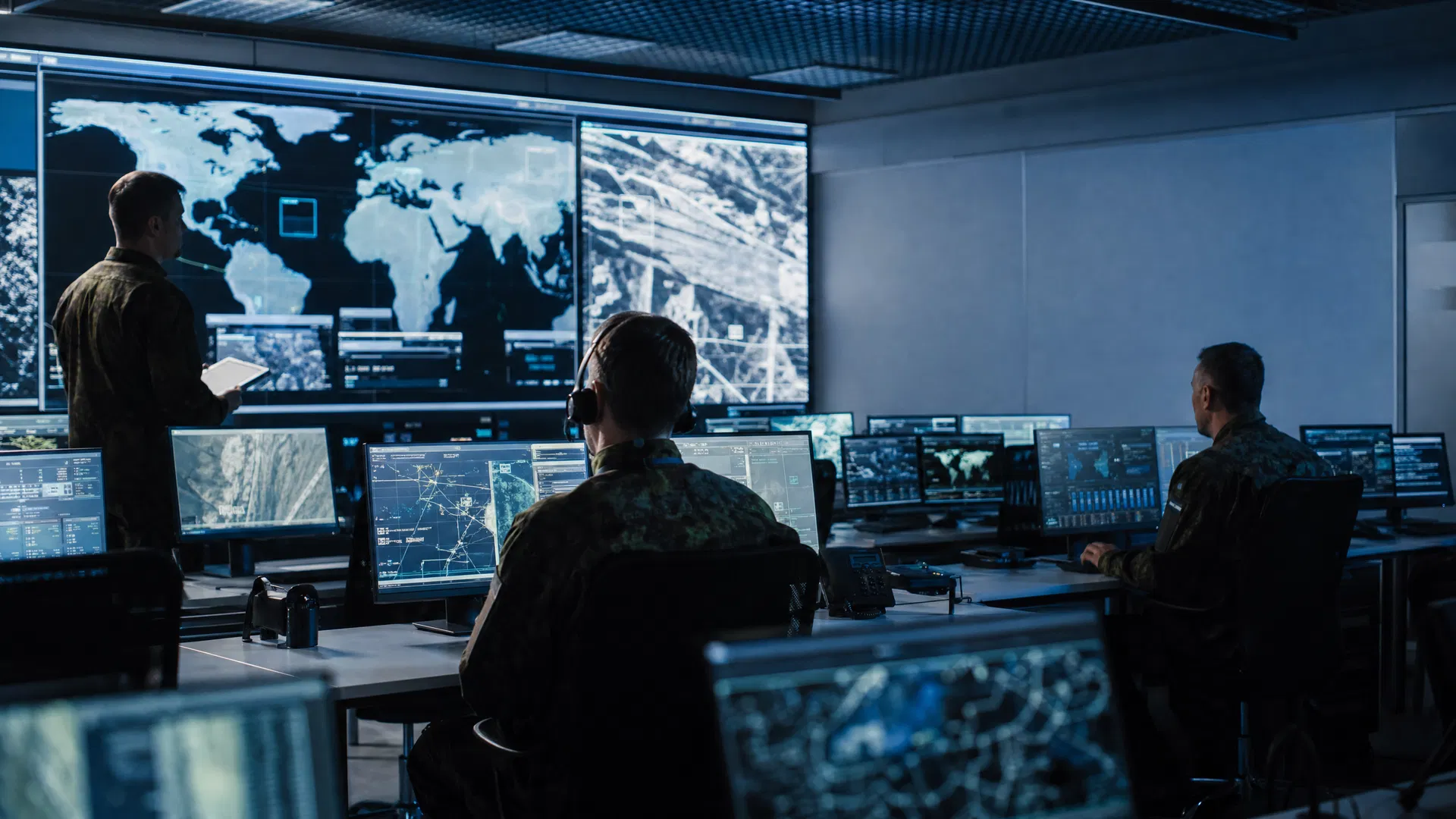
The Anthropic Dispute and Supply Chain Risk Designation
The clash between Hegseth and Anthropic came to a head when the Pentagon formally labeled the San Francisco-based company a "supply chain risk" — a designation typically reserved for entities suspected of sabotage or foreign influence. This designation ended Anthropic's $200 million defense contract and prohibited other government contractors from working with the company. The move was unprecedented in its severity and raised questions about whether the Pentagon was using national security designations as a tool to pressure companies into compliance.
Anthropic CEO Dario Amodei refused to back down over concerns about how the chatbot Claude could be used in classified Pentagon networks, particularly regarding the dangers of fully autonomous armed drones and AI-assisted mass surveillance that could track dissent. After Amodei's refusal, both Trump and Hegseth accused Anthropic of endangering national security.
Anthropic has since sued the Pentagon, claiming illegal retaliation through the stigmatizing "supply chain risk" designation. The company has found support from Microsoft and retired military chiefs who filed amicus briefs backing Anthropic in the court fight. Meanwhile, the Pentagon has turned to Anthropic's rivals — Google, OpenAI, and SpaceX — to secure AI technology for military applications.
Dual Visions of Military AI
There are two distinct visions of how AI should be deployed in military contexts. One vision, championed by Hegseth, emphasizes speed, scale, and the removal of constraints that might slow decision-making. The other vision, articulated by military leaders like Admiral Bradley and supported by companies like Anthropic, emphasizes the need for human oversight and the prevention of unintended consequences.
Helen Toner, interim executive director at Georgetown University's Center for Security and Emerging Technology, notes that both visions have merit. "There are a huge number of potential uses for AI in bureaucratic settings, which the U.S. military is actively exploring," she said. AI can reduce cognitive workload on mundane tasks, accelerate information sharing, and improve decision-making speed. However, the same technology can also enable autonomous weapons and mass surveillance.
The outcome of the Anthropic lawsuit and the broader Pentagon AI strategy will have significant implications not just for military technology, but for the entire AI industry. Companies will need to decide whether to comply with Pentagon demands for unrestricted AI deployment or risk being labeled as national security risks. The stakes could not be higher.