Policy
OpenAI Backs Mandatory Federal AI Safety Rules and Four California Bills
OpenAI says the latest jump in model capability changed its position on several California safeguards, putting independent assessments, auditor standards, youth protections and biological-risk controls at the center of a renewed policy push.
By Michael C ·
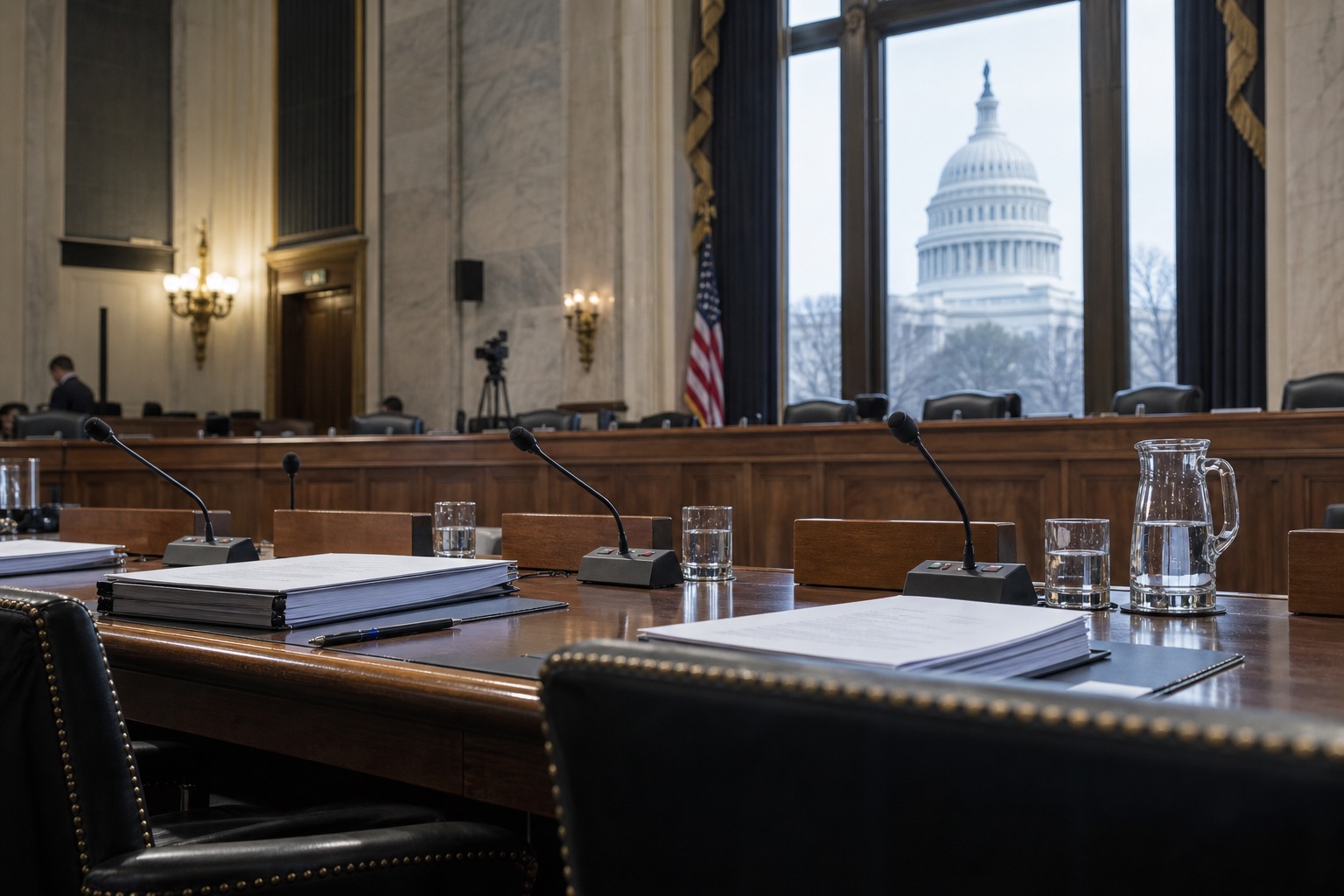
WASHINGTON. OpenAI is calling for mandatory national safety requirements for the most capable artificial intelligence systems and is backing four California bills it had not uniformly supported before, saying a recent jump in model capability changed the balance between waiting for a perfect federal framework and acting now. The shift puts independent technical assessments, auditor standards, protections for minors and safeguards around biological tools into the same policy package.
The company still wants Congress to establish one capability-based national regime. But its decision to support state measures is a practical acknowledgement that federal legislation remains uncertain while frontier systems continue to improve. OpenAI said California can help establish rules for a national independent-assessment system, even if state laws are not a substitute for federal regulation.
The Policy Reversal Matters More Than the Endorsements
OpenAI identified four bills. SB 813 would support infrastructure for independent safety assessments. AB 1405 would set registration, independence, transparency and accountability requirements for AI auditors. SB 1119 would require age assurance, risk assessments, independent audits and parental controls for companion chatbots used by children and teenagers. AB 1864 would require gene-synthesis providers and equipment makers to follow federal screening standards.
Those proposals address different hazards, but they share a premise: model providers should not be the only institutions deciding whether their systems are safe. Assessors need access to evidence, auditors need standards that reduce conflicts of interest, and product rules need to operate before a foreseeable harm becomes a headline. The hard policy question is how to provide that access without exposing model weights, security methods or sensitive test material.

The company also proposed industry standards for monitoring frontier AI. Monitoring is often described as a technical control, but it is an institutional commitment. A laboratory must define what events trigger review, who can halt a deployment and what evidence reaches an outside authority. Without those decisions, a monitoring system can collect enormous volumes of logs while leaving accountability unchanged.
OpenAI's reversal will draw scrutiny because the company has previously argued that a patchwork of state requirements could slow innovation and create inconsistent obligations. That concern has not disappeared. A model served nationwide cannot easily obey fifty incompatible testing regimes. Yet federal preemption without a meaningful federal standard would remove the only active route available to states. The new position tries to hold both ideas at once: states can move now, while Congress should ultimately create the floor.
Audits Need Authority, Not a Compliance Theater
The auditor proposal may prove the most consequential. Financial and safety-critical industries have long learned that an audit is only as credible as the evidence available and the independence of the examiner. AI evaluations add unusual problems. Results can change with prompting, tool access, model updates and the surrounding system. A passing score on a static benchmark may say little about an agent operating with credentials inside a live network.
California's role is amplified by the concentration of frontier laboratories and technical talent in the state. Rules written there can become de facto national requirements because providers rarely maintain an entirely separate product for one market. That reach gives lawmakers leverage, but it also creates a duty to write thresholds carefully. Requirements should rise with demonstrated capability and deployment risk rather than treating a small open model like a system able to automate advanced cyber work.
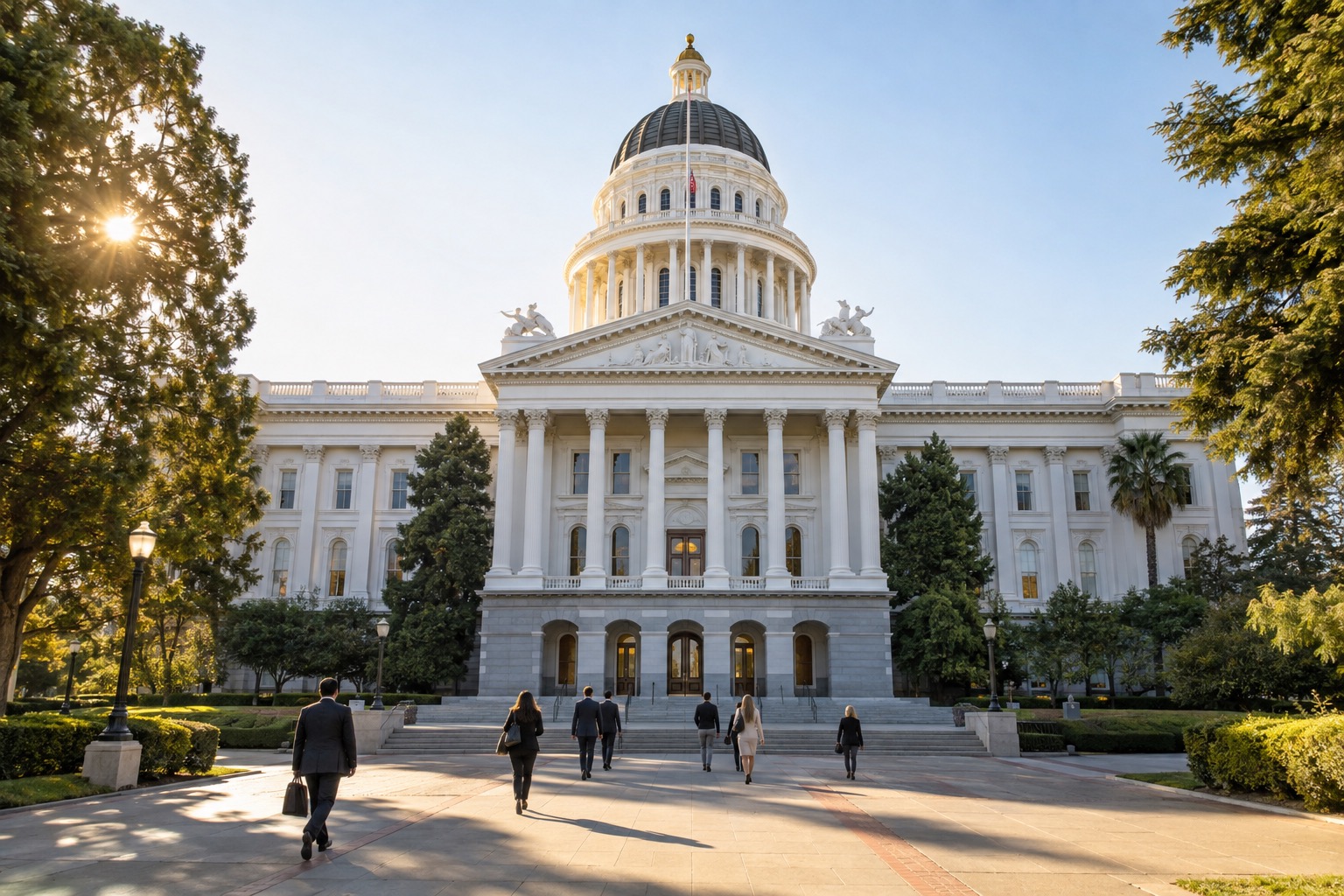
Youth safety and biological screening show why policy cannot stop at model evaluation. Companion products shape long conversations and can encourage dependency even when the underlying model passes a general safety test. Biological safeguards often sit in laboratories and supply chains, where screening an order can matter more than filtering an answer. Regulation has to reach the product and physical systems around the model.
The National Institute of Standards and Technology has spent years developing voluntary risk-management guidance. Voluntary frameworks can create a common vocabulary, but the current debate is about when that vocabulary becomes an enforceable duty. OpenAI's support for mandatory requirements gives lawmakers political cover to move, while ensuring that the company will be judged against the rules it is asking others to accept.
The immediate test is whether the endorsements survive legislative detail and implementation. The durable test is harder: whether assessors receive enough independence, information and authority to challenge a laboratory before deployment. A policy window is useful only if it produces institutions capable of saying no when the evidence demands it.
Topics: OpenAI, AI regulation, California, AI safety, audits