Policy
The US And Europe Are Sketching A Trusted-Partner Model For Frontier AI Access
After Washington blocked Anthropic from supplying its latest models to foreign users, U.S. and European officials are reportedly discussing a trusted-partner scheme. The idea could become the first major access-control framework for frontier AI among allies.
By Michael C ·

The United States and Europe are reportedly discussing a trusted-partner scheme for access to cutting-edge AI models, days after Washington blocked Anthropic from supplying its latest systems to foreign customers. The Financial Times reports that U.S. commerce secretary Howard Lutnick raised the idea with European diplomats around the G7 summit, with tech leaders including Dario Amodei and Sam Altman expected in the broader conversation.
This is the policy follow-up to the Fable 5 and Mythos 5 dispute. The original U.S. order showed that frontier-model access can now be treated like a national-security variable. The trusted-partner discussion is an attempt to avoid the obvious downside: if allied governments and legitimate institutions are suddenly cut off, the American AI stack starts looking unreliable.
Access Becomes A Diplomatic Instrument
A trusted-partner model would formalize something AI labs have been improvising: tiered access based on user identity, jurisdiction, institutional trust, logging, and safety controls. In ordinary software, that looks like enterprise segmentation. In frontier AI, it starts to resemble strategic export governance because the models can assist cyber analysis, software engineering, scientific reasoning, and agentic workflows.
The European Commission's tech chief Henna Virkkunen told the FT that Washington should avoid discriminatory measures against partners such as the EU and clarify the security concerns behind the Anthropic action. That response captures the tension. Europe accepts that safety and national security matter, but it does not want access to critical technology controlled by surprise U.S. decisions.
Security Without Fragmentation
The hard design problem is how to create a framework that is strict enough to matter and flexible enough to work. A trusted-partner system could include verified institutions, nationality-aware access policies, audited use cases, incident reporting, red-team evidence, and government-to-government escalation channels. It could also become slow, politicized, and hard for startups or researchers to navigate.
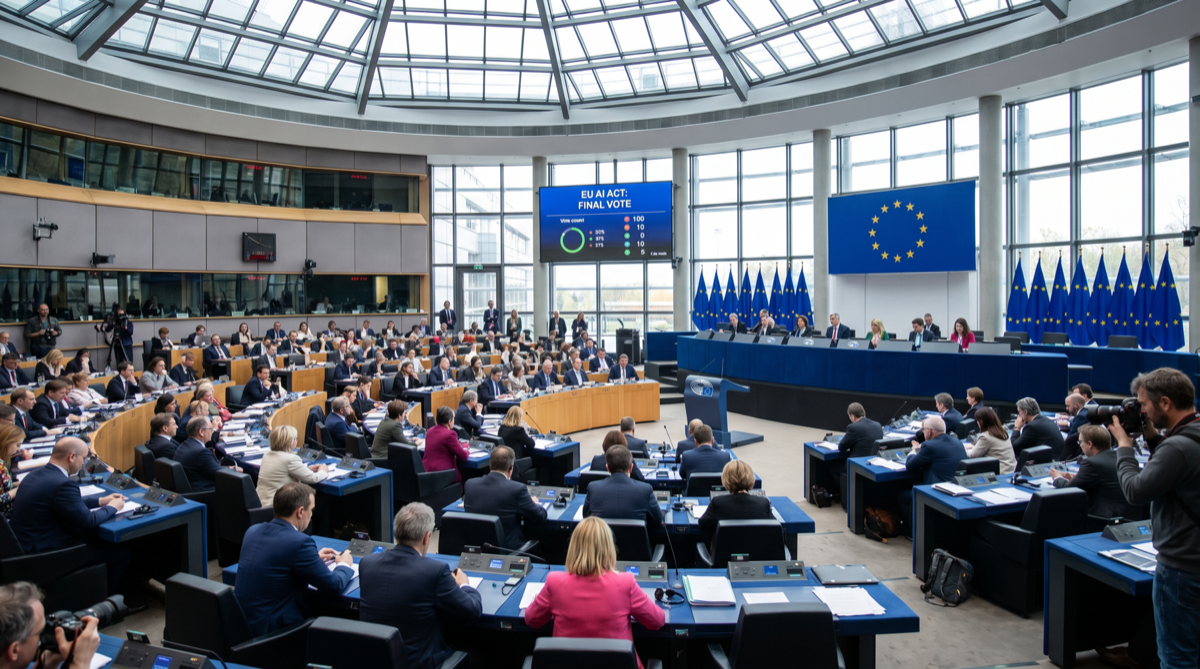
OpenAI is reportedly working to provide access to NATO and the EU cybersecurity agency ENISA. That points to a possible compromise: sensitive models may be opened first to defensive institutions, critical infrastructure operators, and trusted research partners, rather than released globally through ordinary commercial channels.
The New AI Alliance Test
The trusted-partner idea may become one of the first serious tests of AI alliance politics. If it works, the U.S. can preserve security controls while reassuring allies that American models remain usable infrastructure. If it fails, Europe and India will have even stronger incentives to fund sovereign alternatives, and U.S. companies may lose global adoption at the exact moment they need scale.
Topics: frontier AI, export controls, Anthropic, EU