Policy
G7 AI Diplomacy Is Now About Who Gets Access To Frontier Models
The G7 AI conversation has shifted from broad safety principles to the harder question of controlled access. After the U.S. restricted Anthropic's latest models, allied governments and AI CEOs are being forced to design a trusted-partner model for frontier AI.
By Michael C ·
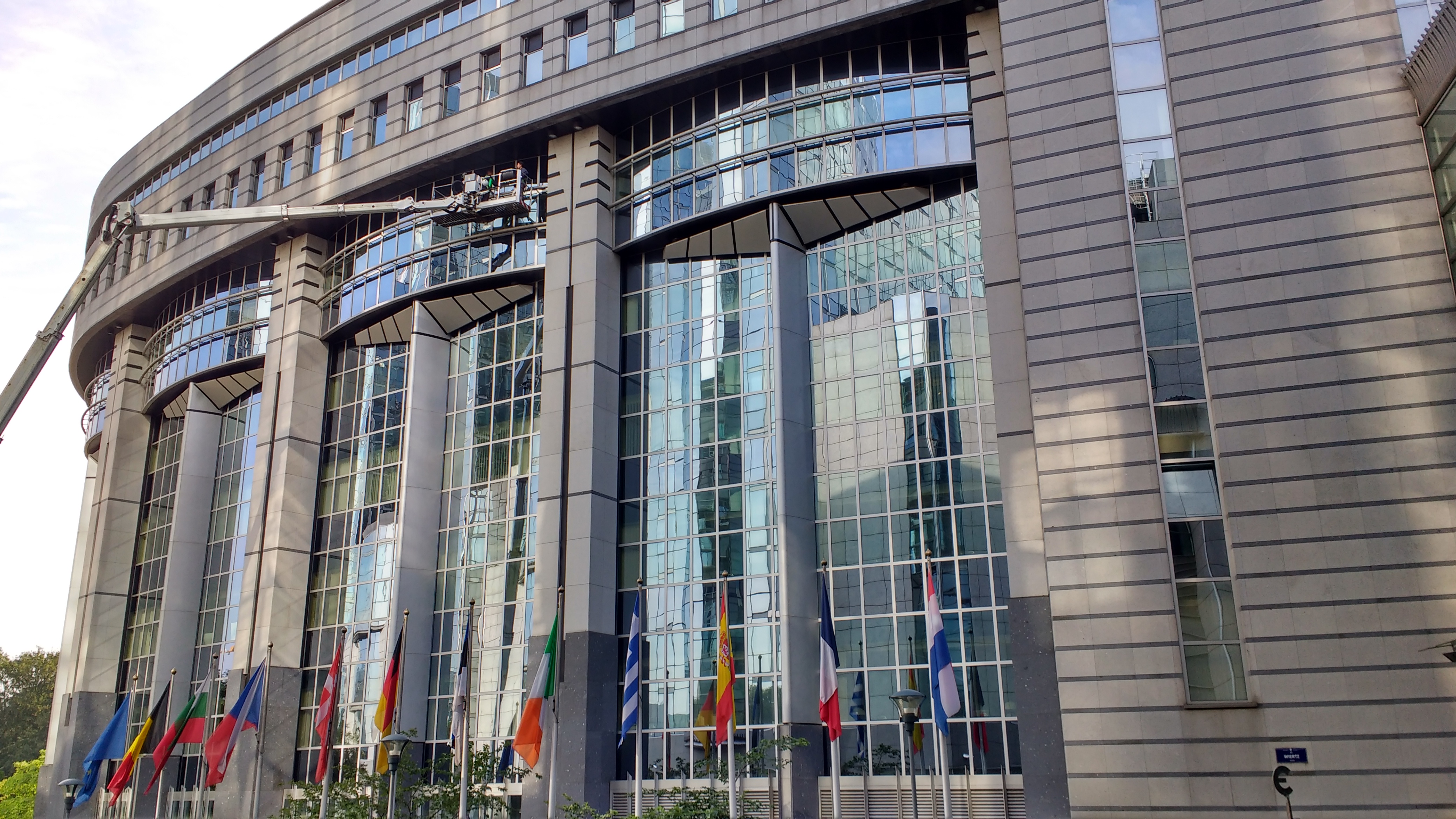
The G7's AI conversation has moved from abstract safety language to a sharper operational question: who is allowed to use the most capable frontier models, and under what conditions? At the Evian summit, reporting from The Wall Street Journal and Business Insider says political leaders and AI executives were pulled into the same discussion after Washington's restrictions on Anthropic's Fable and Mythos models unsettled allies.
That matters because the dispute is no longer only about one company. If access to advanced models can be switched off for foreign users without a clear allied framework, the U.S. AI stack becomes both a technology platform and a diplomatic instrument. The result is a trust problem for governments that want American capability but do not want surprise dependency.
The Trusted-Partner Idea
The emerging compromise is a trusted-partner model. Instead of treating frontier AI as either fully commercial software or fully blocked strategic technology, governments could create access tiers for allied institutions, critical infrastructure operators, defense agencies, and approved researchers. That would preserve security controls while reducing the shock of abrupt cutoffs.
The technical design will be difficult. Trusted access would need identity checks, logging, use-case restrictions, incident reporting, red-team requirements, and revocation rules. It would also need political legitimacy. Europe will not want a system where American officials unilaterally decide which allied users can access core digital infrastructure.
CEOs Enter The Diplomatic Room
The presence of Sam Altman, Dario Amodei, Demis Hassabis, and other AI leaders around G7 conversations shows how quickly frontier labs have become quasi-geopolitical actors. Their platforms shape productivity, cyber defense, scientific research, and public-sector modernization. That gives them leverage, but it also exposes them to government pressure that ordinary software companies rarely face.

The risk for Washington is overreach. Export controls can be powerful when the target is a chip shipment or a data-center buildout. Model access is more fluid. A cloud service can be routed, mirrored, restricted, logged, or misused in ways that do not map neatly onto old export-control categories. That is why ad hoc intervention creates uncertainty for allies and developers at the same time.
What Comes Next
Topics: G7, Anthropic, AI diplomacy, export controls