Policy
China Locks Its AI Researchers In: DeepSeek and Alibaba Face Travel Restrictions
Beijing has begun requiring government approval for overseas travel by top AI professionals at private firms, treating AI expertise as a national security asset.
By Leo W ·
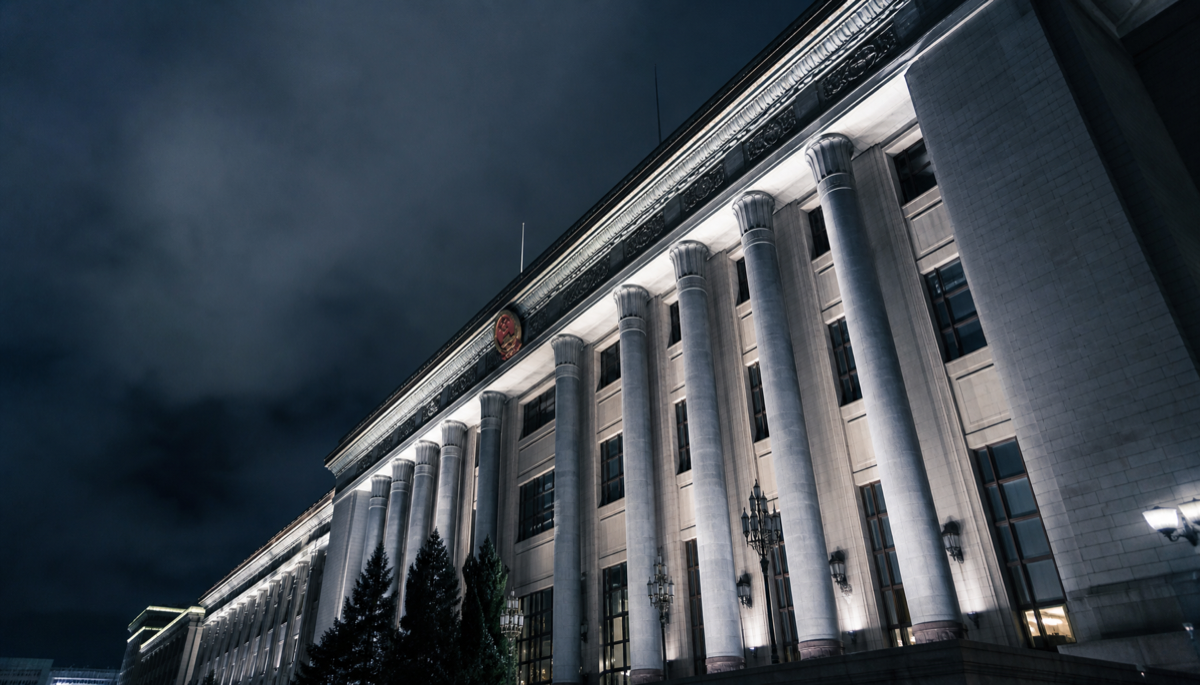
China has begun imposing overseas travel restrictions on individuals involved in advanced AI work at private firms, including DeepSeek and Alibaba, Bloomberg reported on May 26, 2026. The restrictions require affected researchers, founders, and executives to obtain approval from relevant government authorities before any overseas trip — a significant escalation from a previous requirement that they merely report travel plans. The move signals that Beijing now treats AI expertise as a national security asset, not merely a commercial one.
How the Restrictions Work
The selection criteria for who is subject to the restrictions are based on an individual's perceived strategic importance to China's AI development, rather than their formal title or which company they work for. This means that a mid-level researcher working on a particularly sensitive model architecture could be subject to restrictions that do not apply to a more senior executive working on less strategically critical projects. Passports and conference schedules are now being treated as national security variables.
The policy was first applied quietly to some DeepSeek executives in December 2025, before being broadened to the wider private AI sector in recent months. Two co-founders of Manus, a Chinese AI startup that relocated to Singapore, were also separately barred from overseas travel — a detail that suggests the restrictions extend beyond employees of domestic companies to founders of companies that have already left China.
The Strategic Logic
The strategic rationale behind the restrictions is not difficult to understand. Chinese AI companies have made rapid and unexpected advances over the past 18 months. DeepSeek's open-weight models have drawn international attention and, in some benchmarks, have matched or exceeded the capabilities of US frontier models at a fraction of the cost. Chinese chipmakers now control 41 percent of China's domestic AI accelerator market, reducing dependence on Nvidia hardware that is subject to US export controls.
Beijing appears determined to ensure that the human capital behind those advances stays within its borders. The risk it is trying to prevent is straightforward: a researcher who knows the architecture of DeepSeek's most capable models is an extraordinarily valuable target for US intelligence agencies and for US AI companies looking to accelerate their own development. A conference trip to San Francisco or London creates opportunities for recruitment, informal knowledge transfer, or intelligence collection that the Chinese government is no longer willing to accept.
Passports and conference schedules are now being treated as national security variables.
Bloomberg, May 26, 2026
The Manus Precedent
The case of Manus AI is particularly instructive. Manus is a Chinese AI startup that attracted significant international attention earlier this year for its agentic AI capabilities. The company relocated its operations to Singapore, a move that is common among Chinese tech companies seeking to operate in a more internationally accessible environment. Despite the relocation, two of its co-founders were barred from overseas travel — suggesting that the Chinese government's jurisdiction over AI talent extends beyond the borders of companies that remain in China.
This case also connects to another significant data point: Beijing's decision in April 2026 to block Meta's approximately $2 billion acquisition of Manus AI. Taken together, the travel restrictions and the blocked acquisition suggest a coherent strategy of keeping both AI talent and AI companies firmly under Chinese control, regardless of where they are nominally headquartered.
The Long-Term Consequences
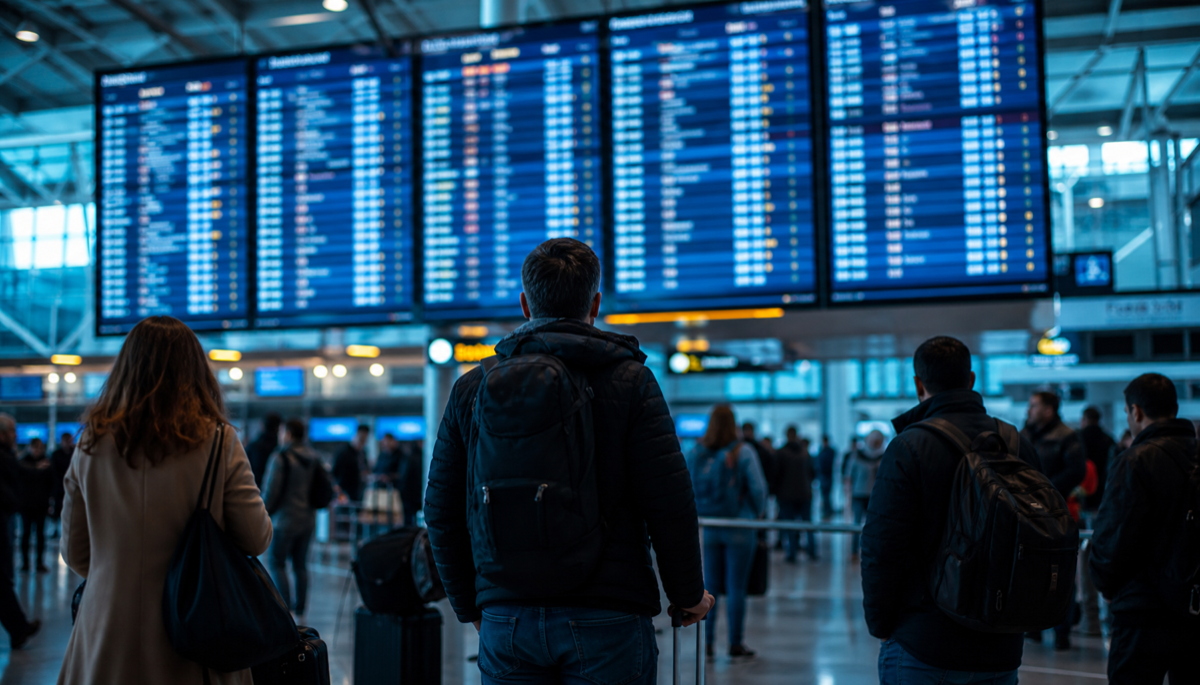
The long-term consequences of these restrictions are likely to be counterproductive, even from Beijing's perspective. The best researchers in any field go where they have the most freedom to do interesting work, collaborate with peers, and publish their findings. Restricting travel makes DeepSeek and Alibaba less attractive destinations for the internationally trained Chinese researchers who have been returning to China in significant numbers over the past decade, drawn by competitive salaries and the opportunity to work on frontier problems.
There is also the question of international research collaboration. AI research has historically been a remarkably open field, with researchers at competing companies regularly publishing papers, attending conferences together, and building on each other's work. China's travel restrictions will complicate its researchers' ability to participate in this ecosystem, potentially slowing the pace of Chinese AI development even as they aim to protect it.
The Broader Pattern
China's AI travel restrictions are part of a broader pattern of escalating state control over the domestic technology sector. Over the past three years, Beijing has imposed data localization requirements, restricted the use of foreign AI models in sensitive applications, blocked foreign acquisitions of Chinese AI companies, and now begun restricting the movement of AI talent. Each individual measure has a plausible strategic rationale. Taken together, they describe a government that has concluded that the AI race is too important to leave to market forces — and that winning it requires treating the entire domestic AI ecosystem as a strategic asset to be protected, directed, and controlled.