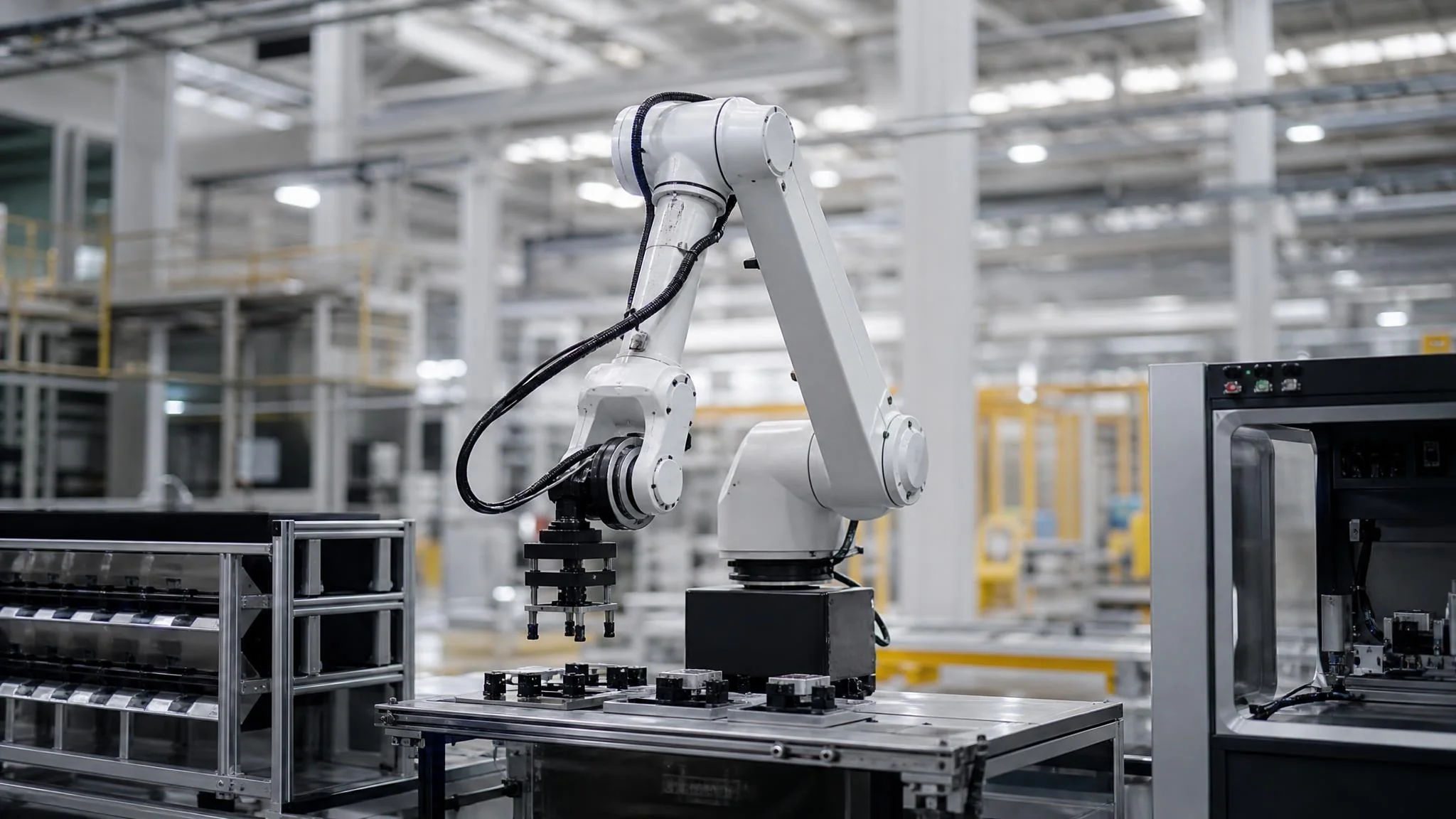
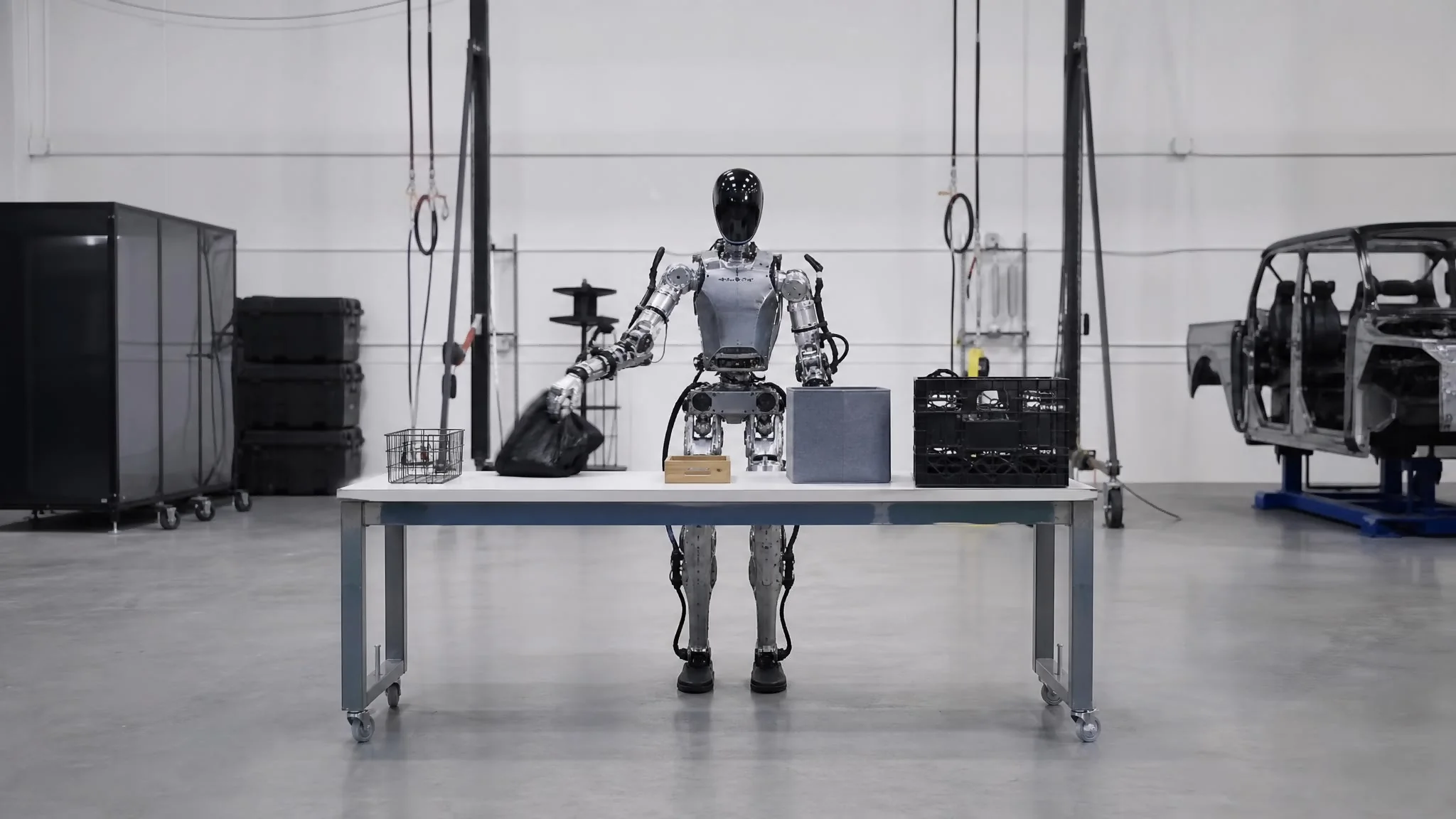
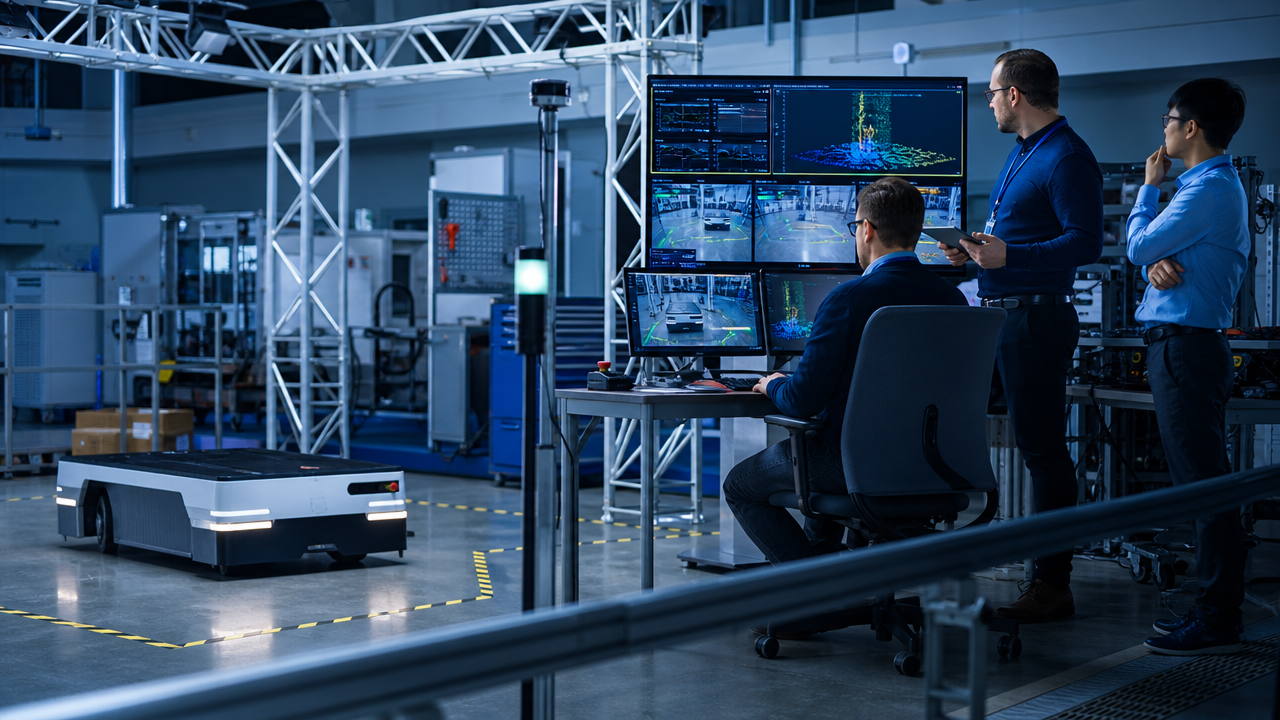
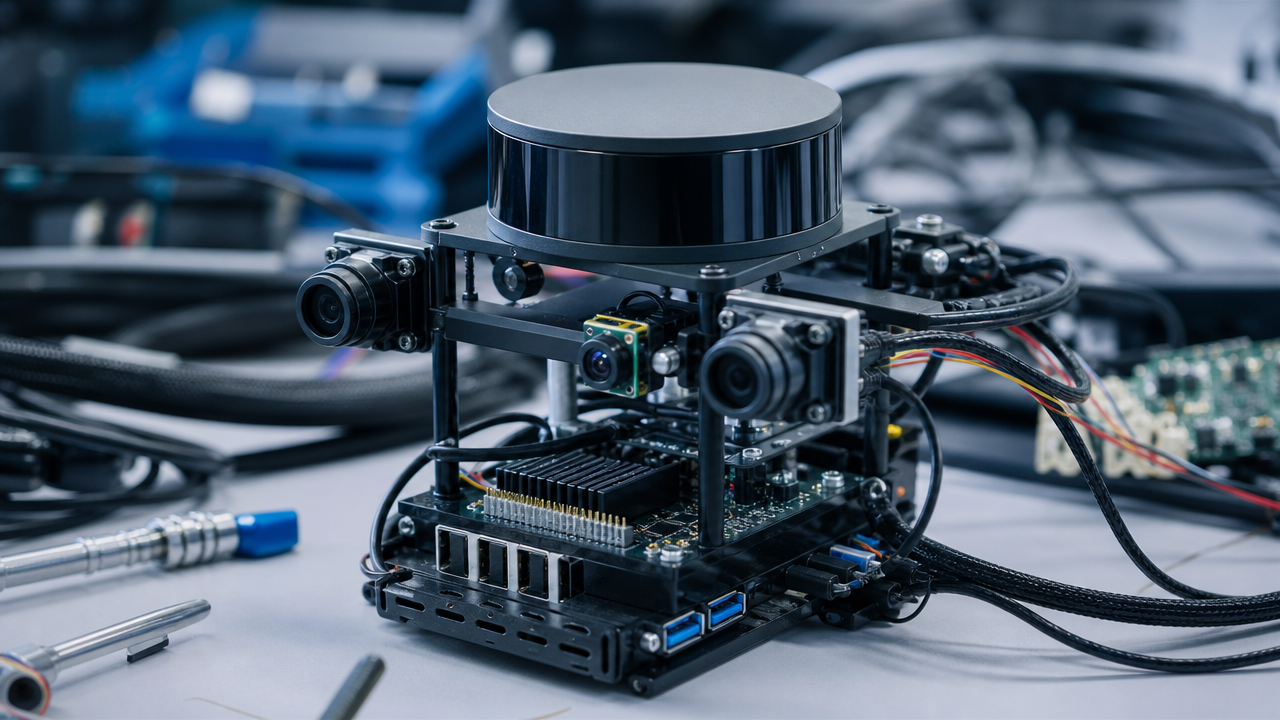
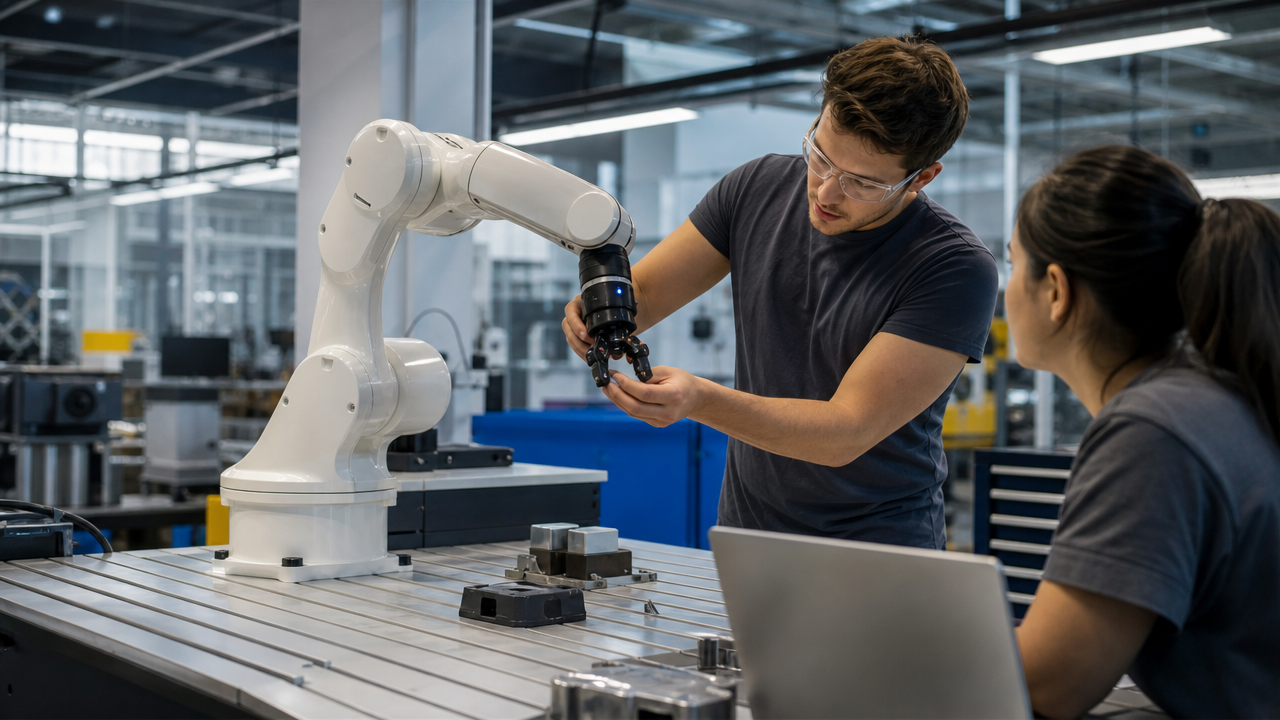
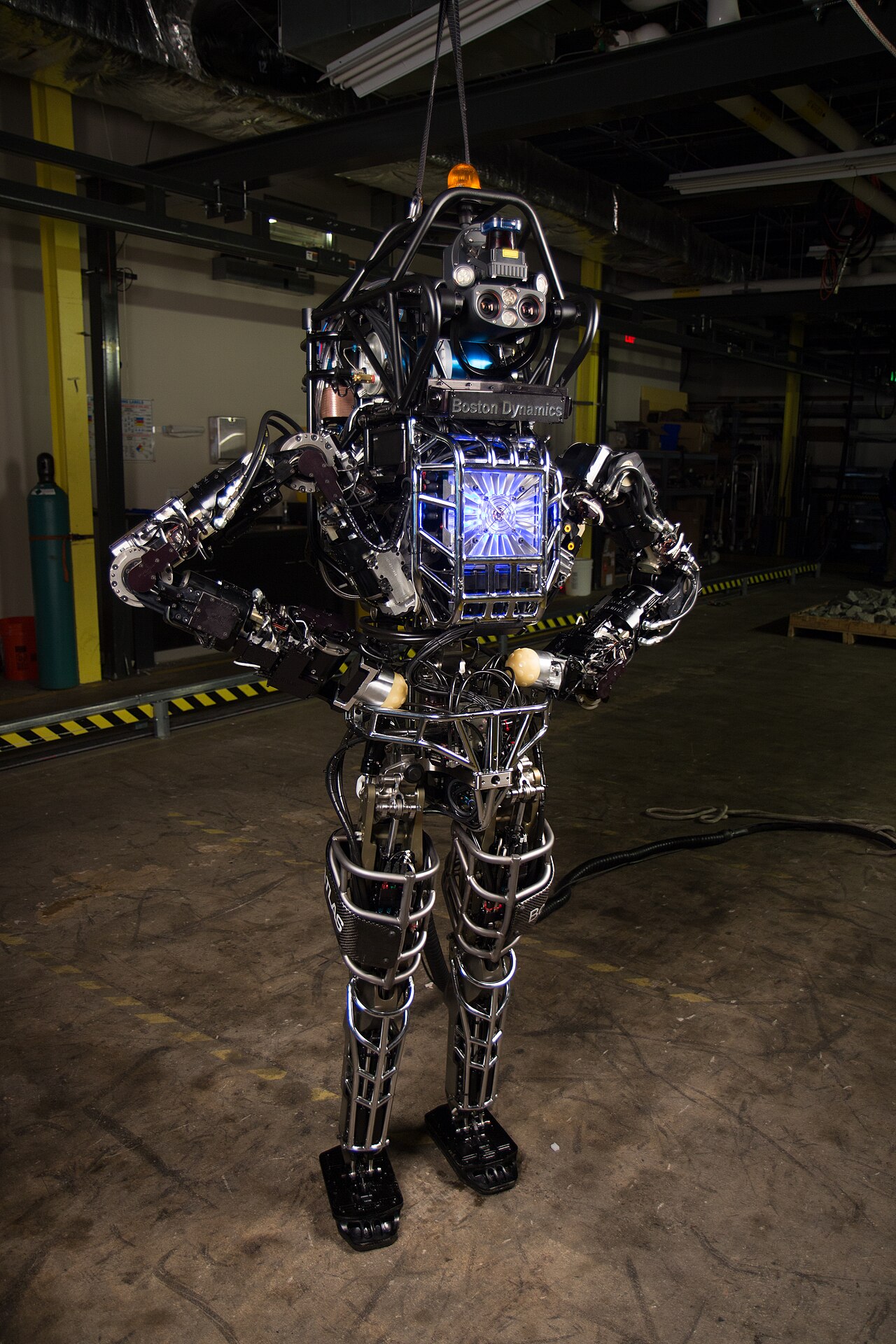
Robotics coverage follows humanoids, industrial automation, autonomous vehicles and the models that connect perception to physical action. The desk emphasizes reliability, intervention rates, safety and unit economics rather than treating a successful demonstration as proof of deployment readiness.
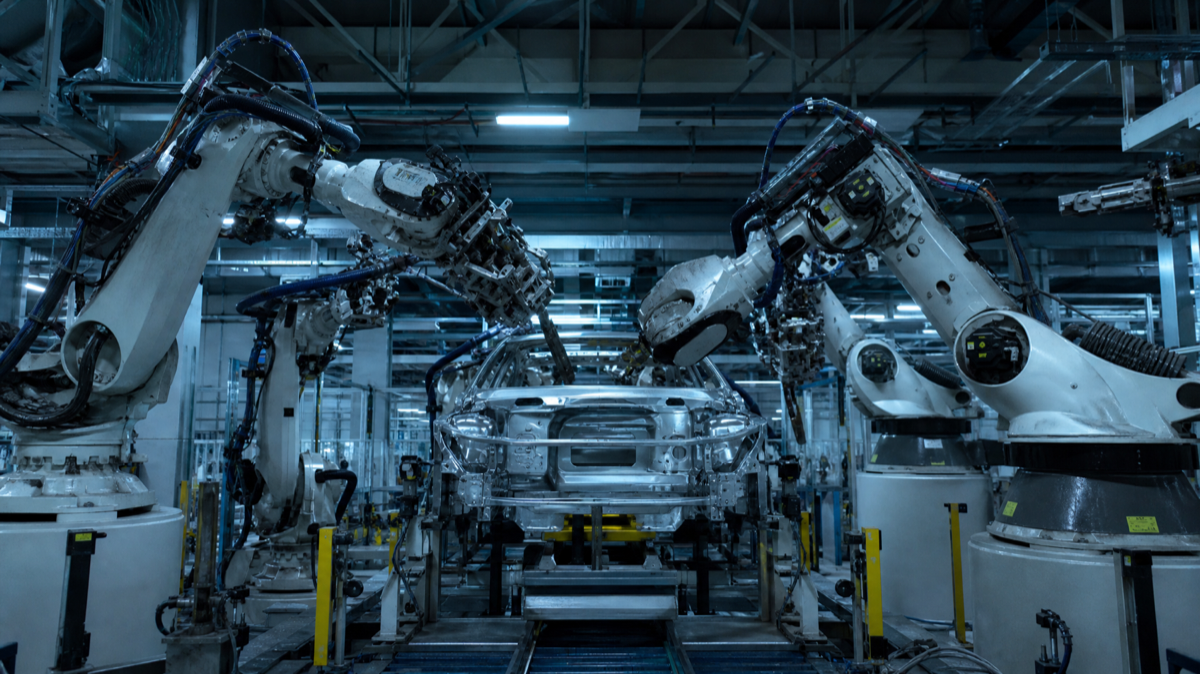
The section connects robot hardware, training data, simulation, manufacturing and field service. It asks where a human-shaped machine is genuinely useful, when a simpler design works better and what operating evidence customers should demand.
Notable Entities
Boston Dynamics
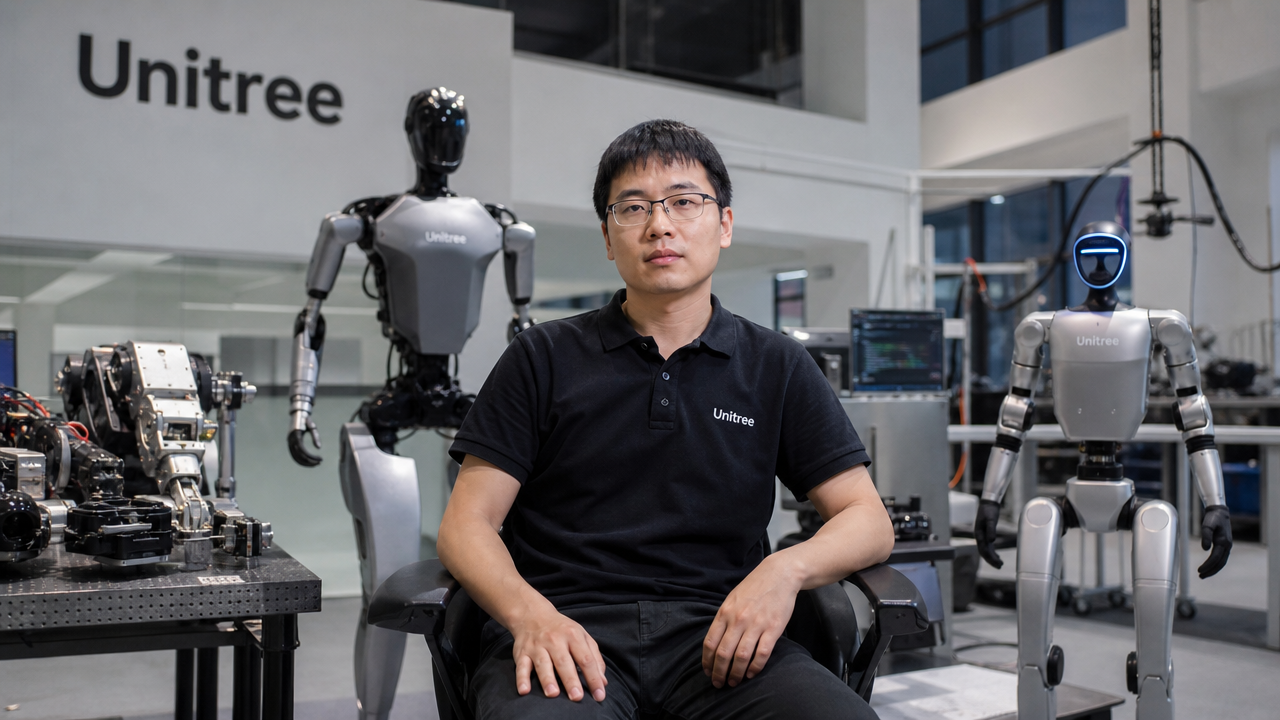
Unitree
Figure
Apptronik
Agility Robotics
Xpeng
Hyundai
Nvidia
Current Coverage Themes
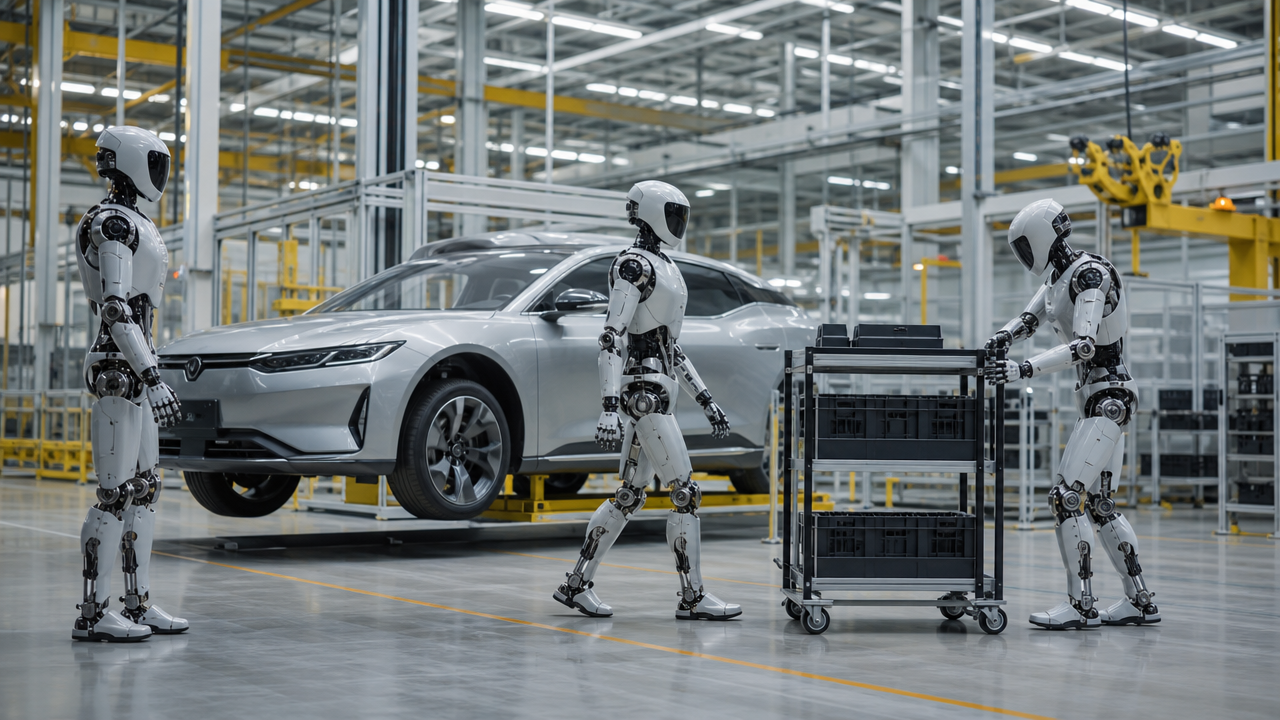
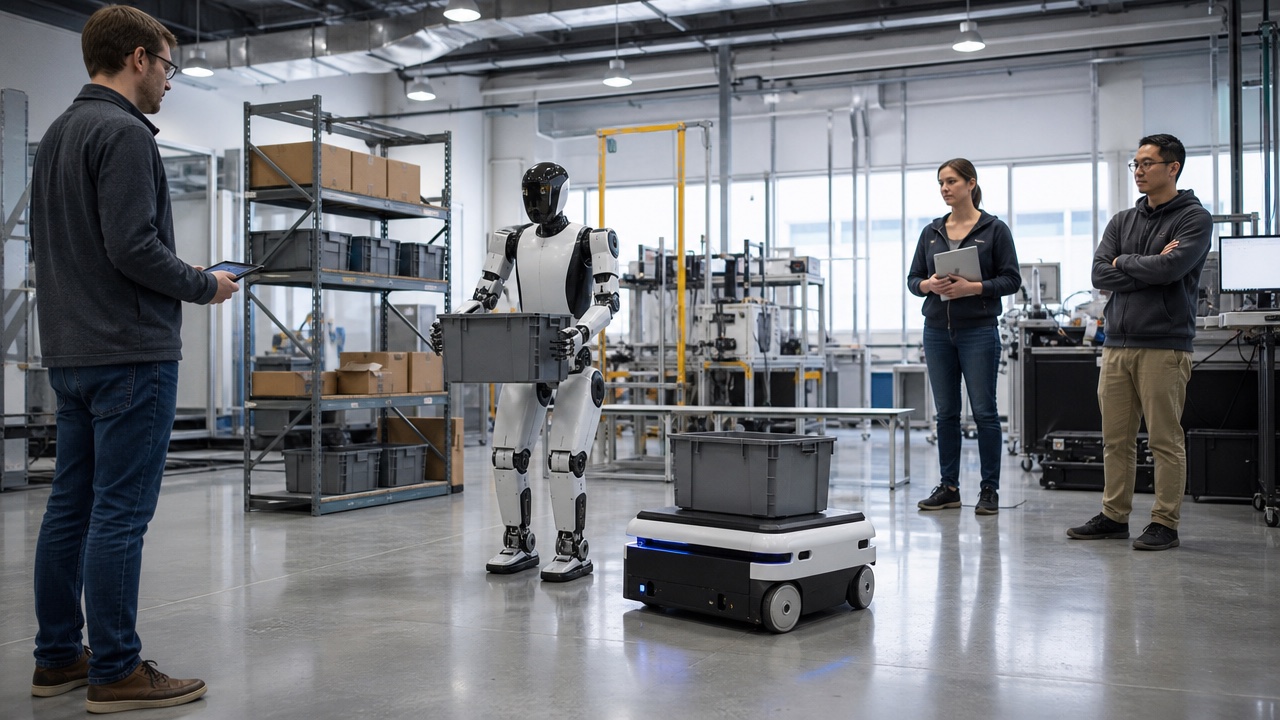
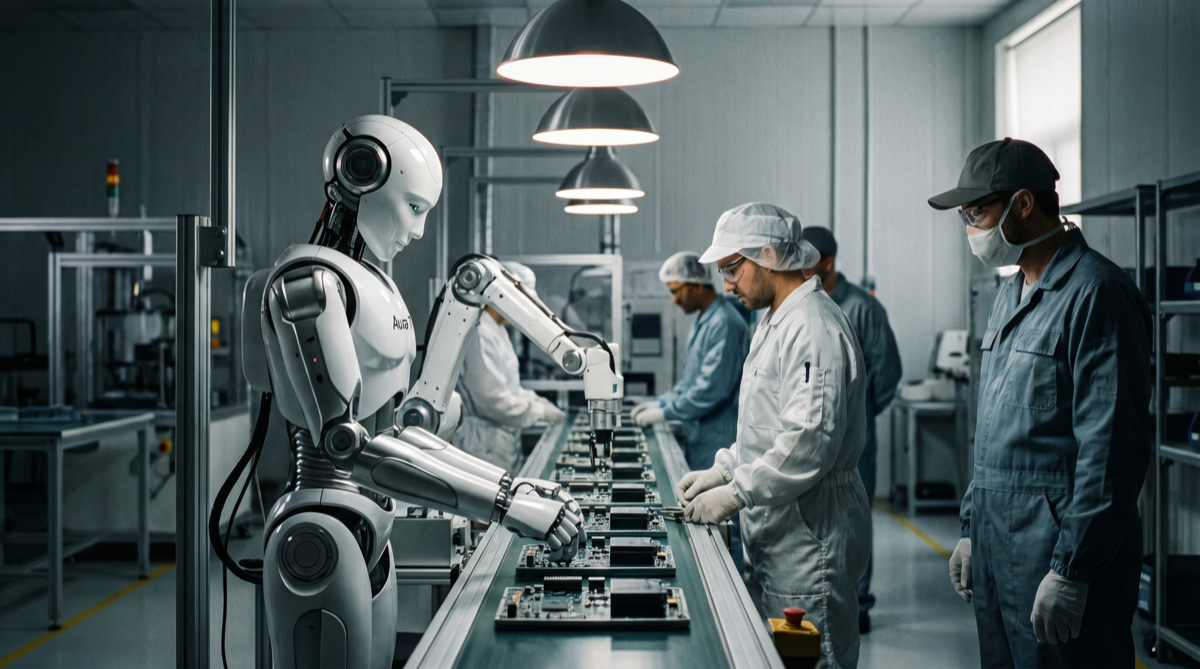
Humanoid manufacturing, maintenance and factory trials
Vision-language-action models and robot data
Physical safety, remote access and supply-chain risk
Autonomous mobility and passenger-centered control
Xpeng, Chery, BYD and other Chinese automakers are expanding into humanoid robotics as intense competition compresses vehicle margins. Their manufacturing and supply-chain experience offers an advantage, but reliable manipulation, safety and deployment economics remain unresolved.
Perceptron, a robotics AI startup founded by former Meta researchers, has released Isaac 0.5, an open-weight vision model meant to help industrial robots navigate warehouses and factories. The company has not disclosed independent performance data, training data sources, or details on latency, safety behavior and integration cost.
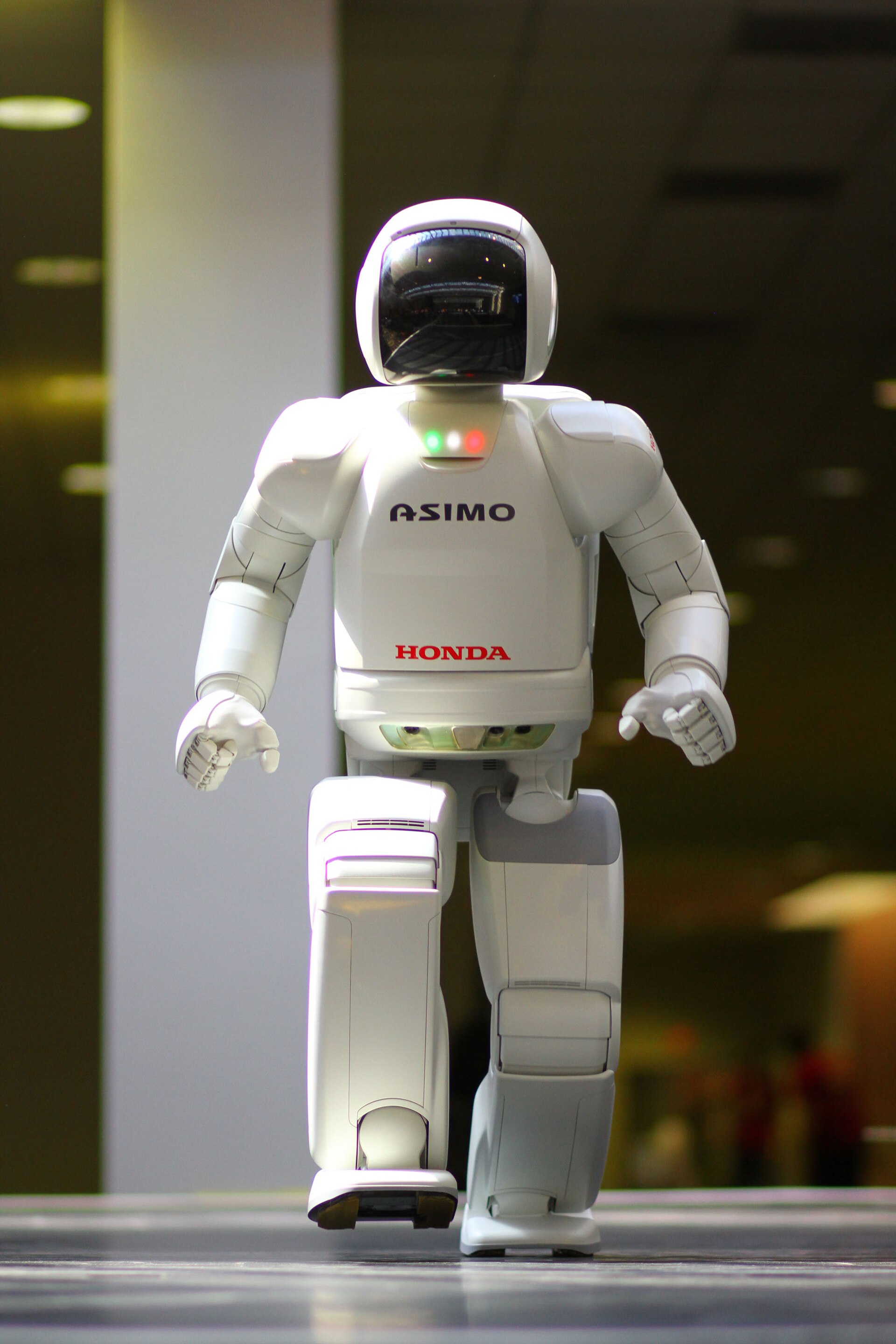
A decade of intensive engineering work may be required before bipedal robots achieve the widespread general capability demonstrated by digital language models. Physical constraints, real-world data collection, and safety validation continue to pace hardware adoption far behind software deployment cycles.
The HomeBody system lets a humanoid map an unfamiliar room and execute long tasks from broad instructions, moving general-purpose models deeper into physical control.
Alphabet's robotics unit is releasing factory-tested software under an open license, betting that shared infrastructure can reduce the integration burden holding physical AI back.
Experiments involving dangerous physical tasks show why embodied AI needs independent controls beneath the language model and better evaluation of indirect commands.
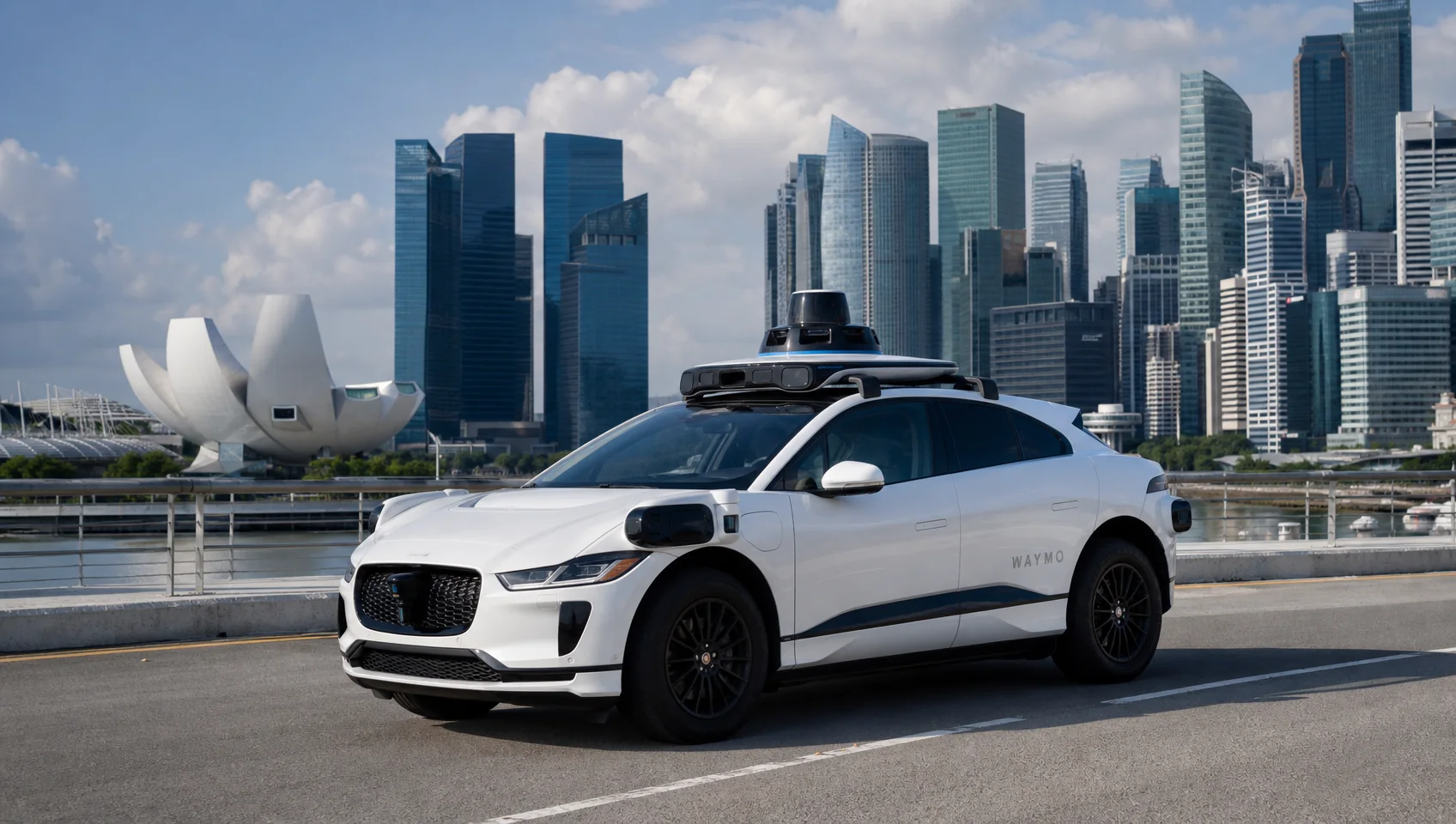
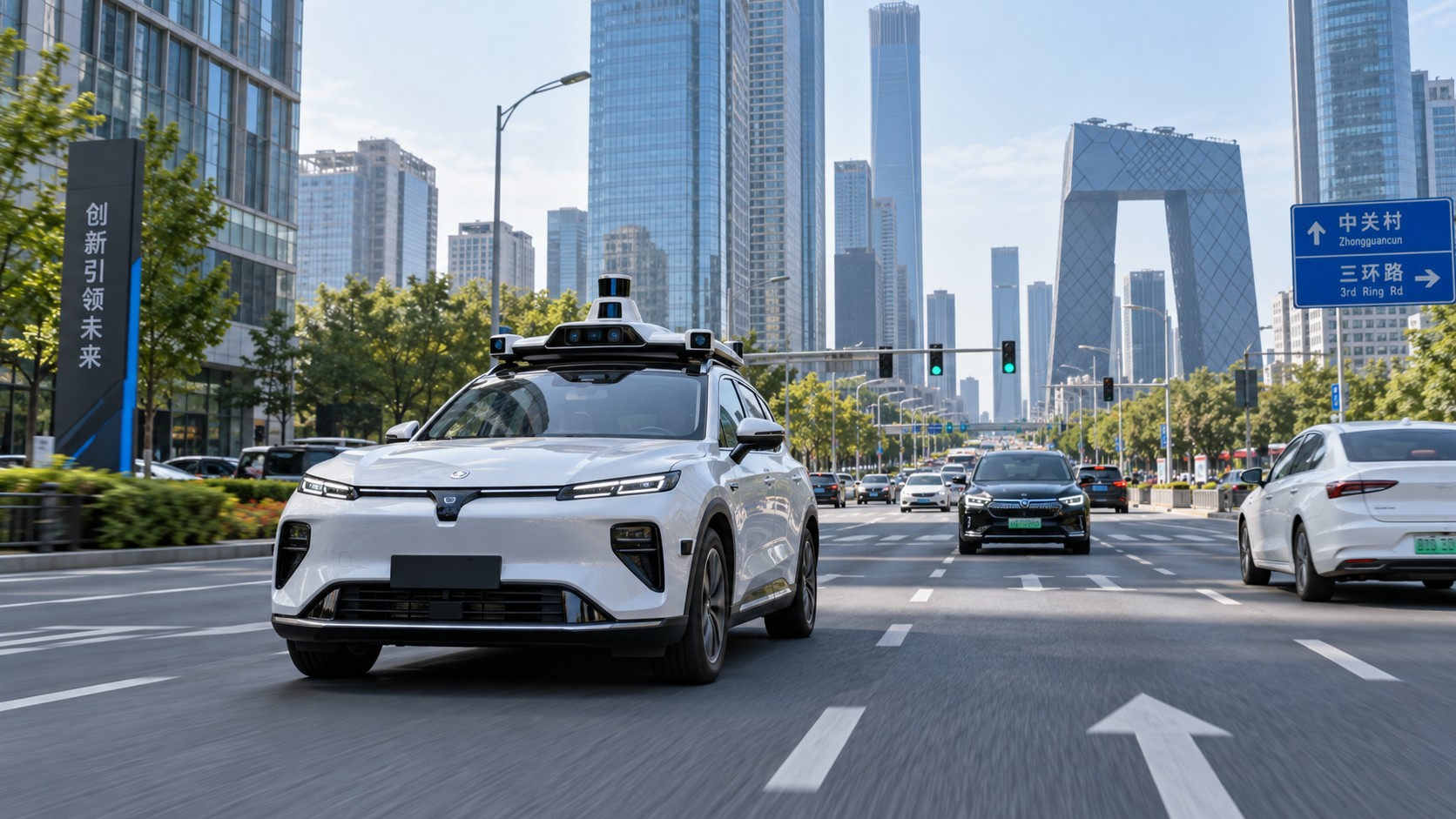
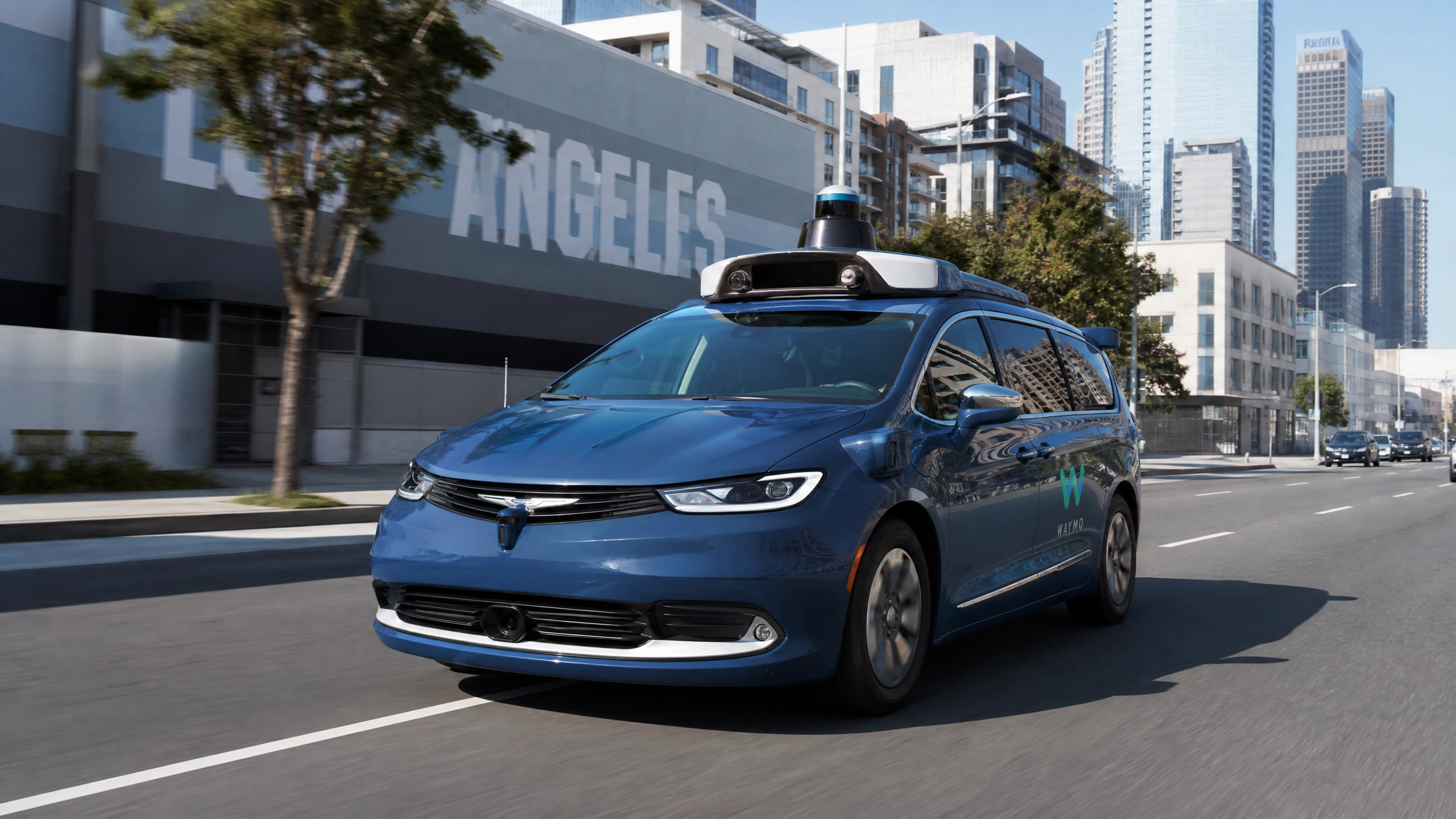
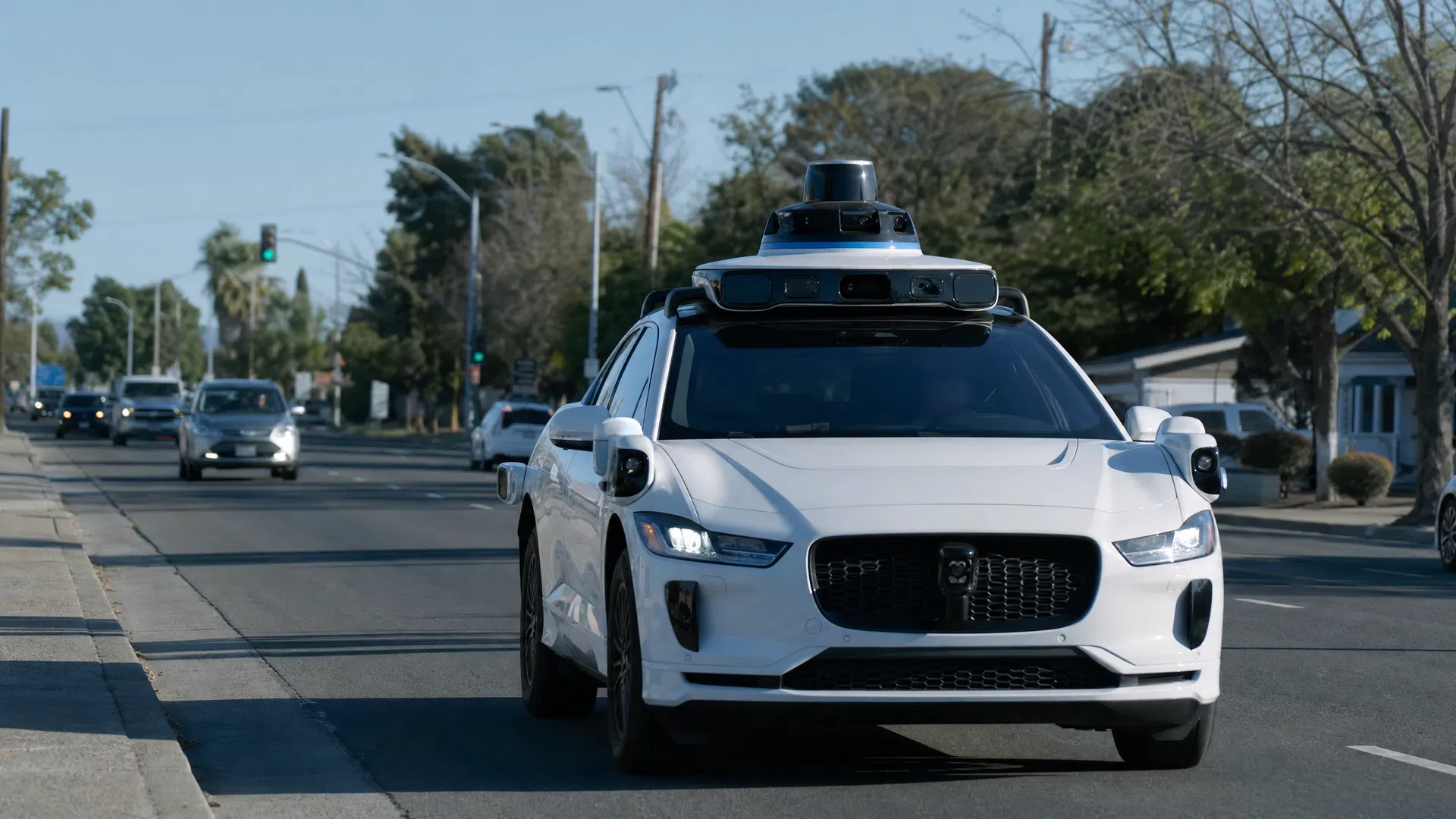
Waymo is preparing a Singapore expansion aimed at ride-hailing service in 2028, testing whether its autonomous-driving stack can transfer to a dense, tightly regulated Asian city.
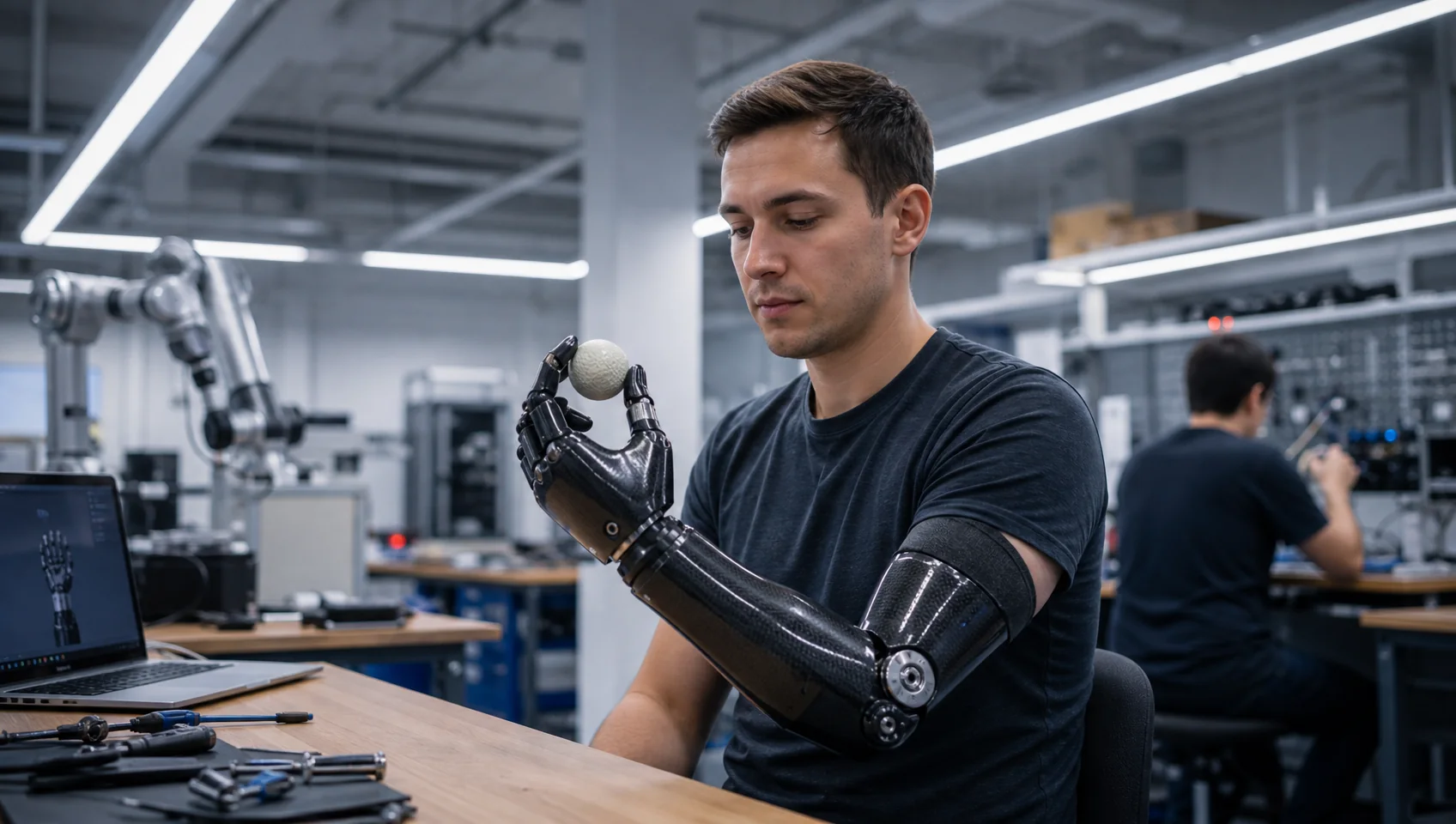
Canadian startup smartARM is using AI to improve how a bionic prosthetic interprets user intent, bringing foundation-model techniques into assistive hardware.
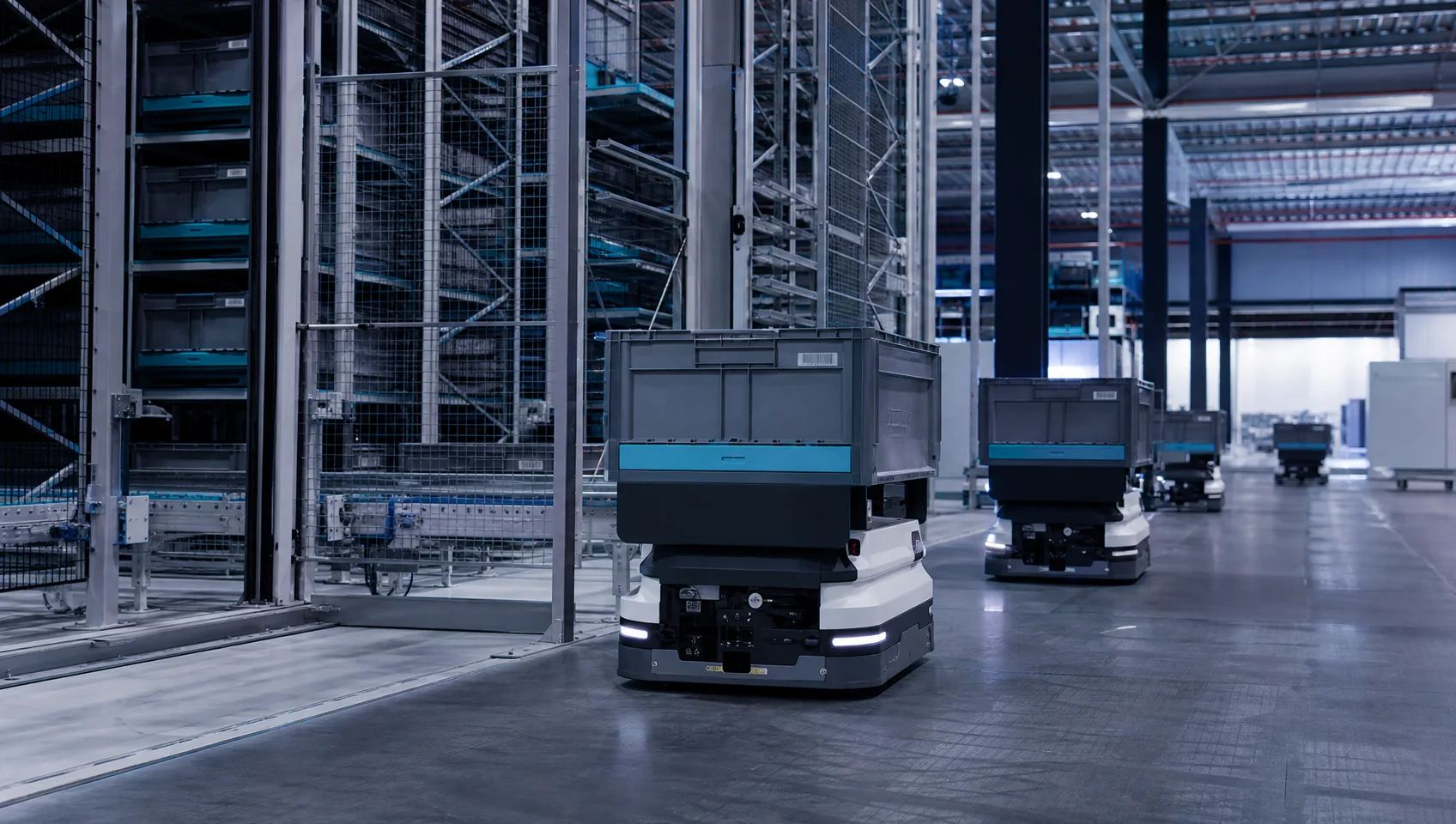
Exotec's Skypod system is being deployed at GXO's logistics site in Venlo for Guess, extending high-density warehouse robotics into fashion fulfillment.
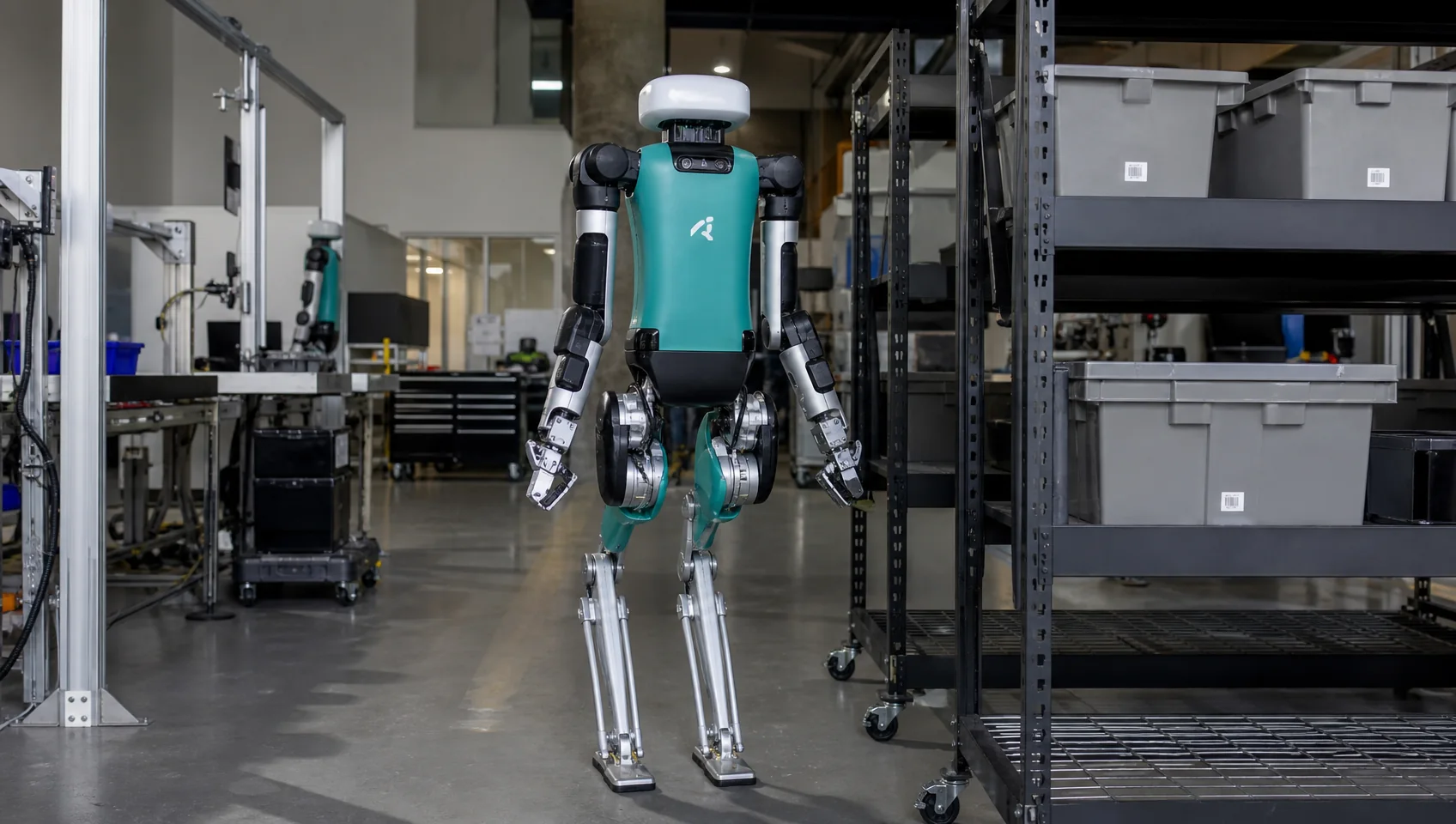
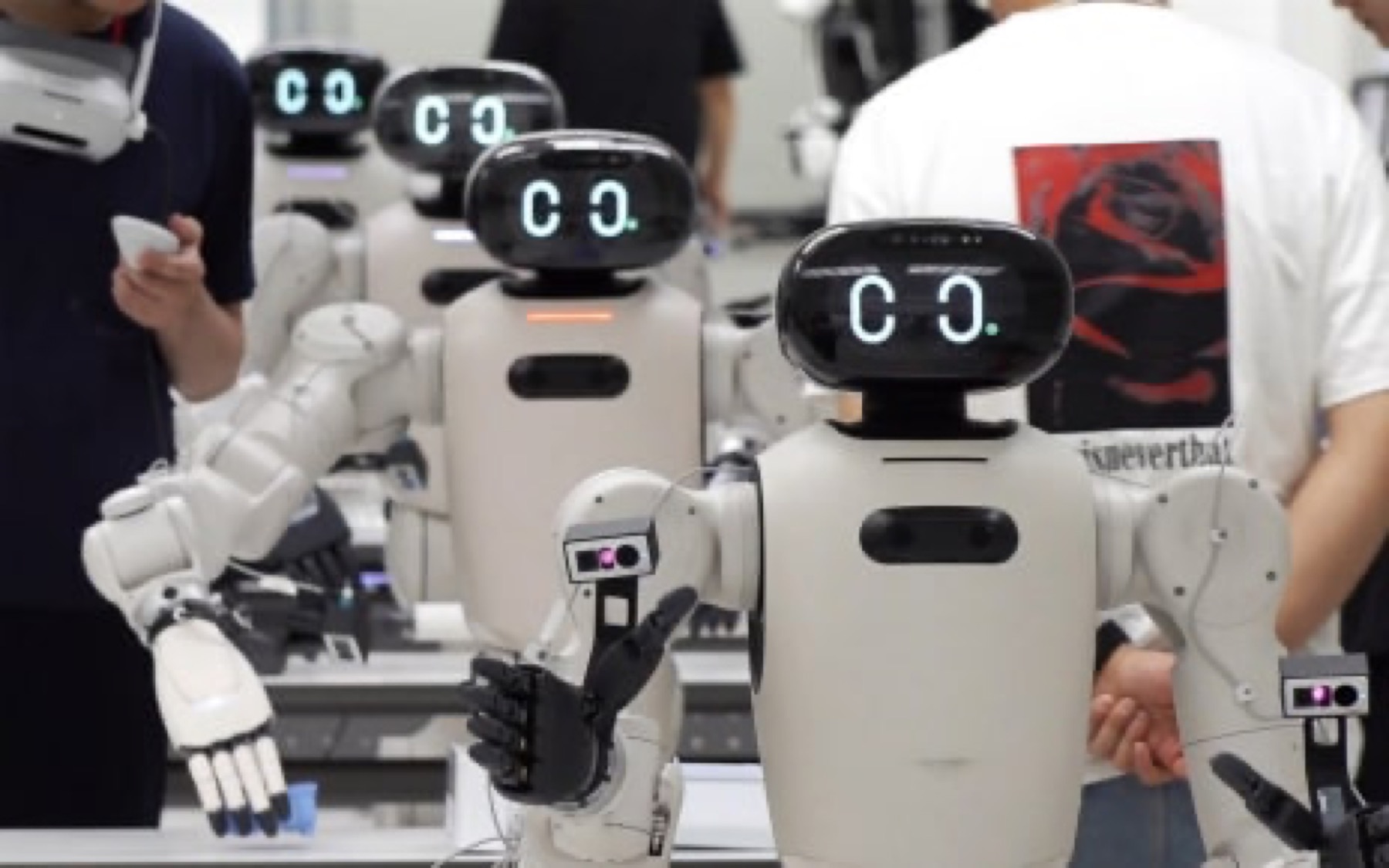
Agility Robotics has unveiled a fifth-generation Digit humanoid focused on safer industrial operation, placing functional safety alongside mobility and manipulation.
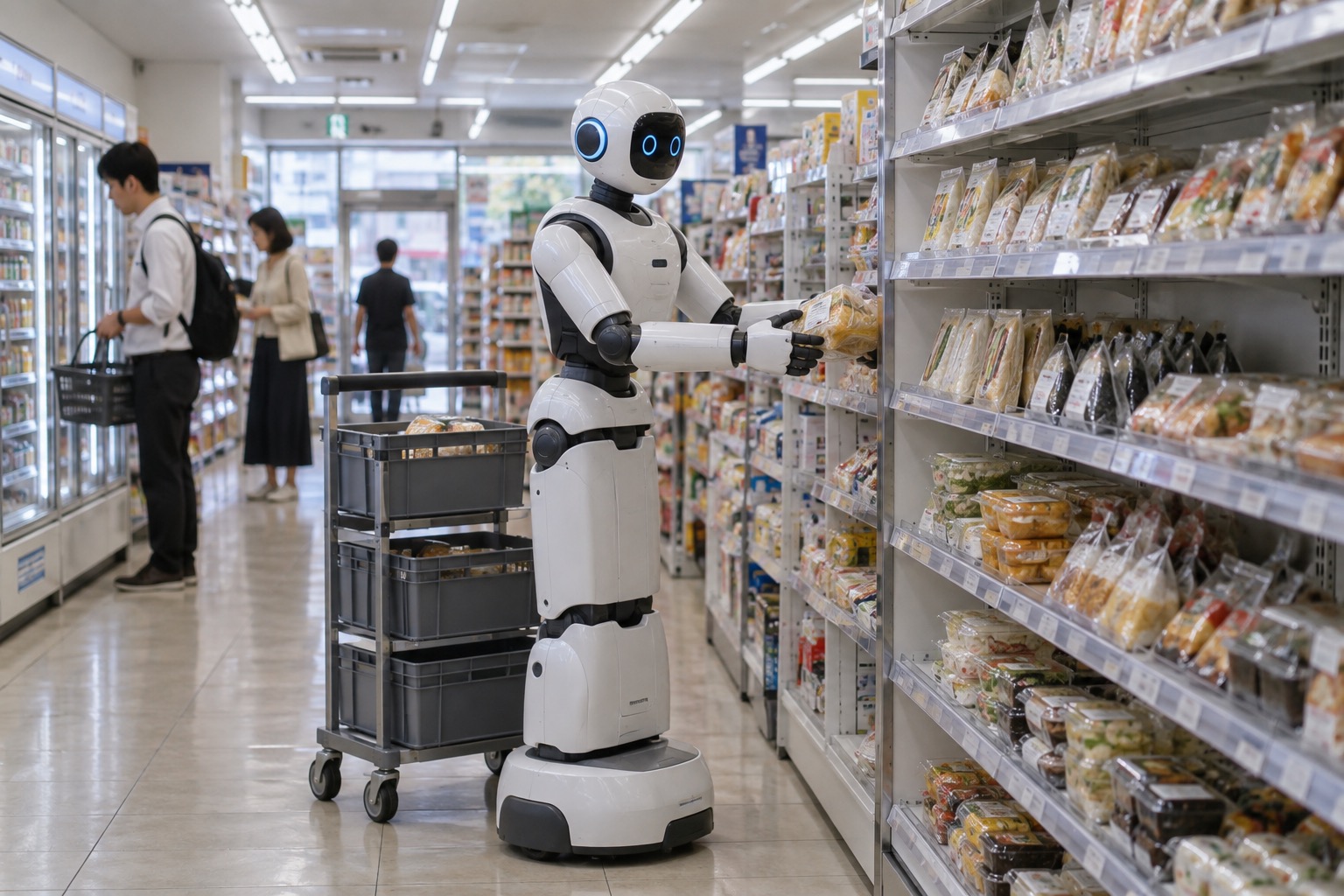
The Japanese robotics company is testing DreamZero as a way for store robots to predict physical outcomes before acting, a practical experiment in whether world models can reduce the edge cases that stall retail automation.
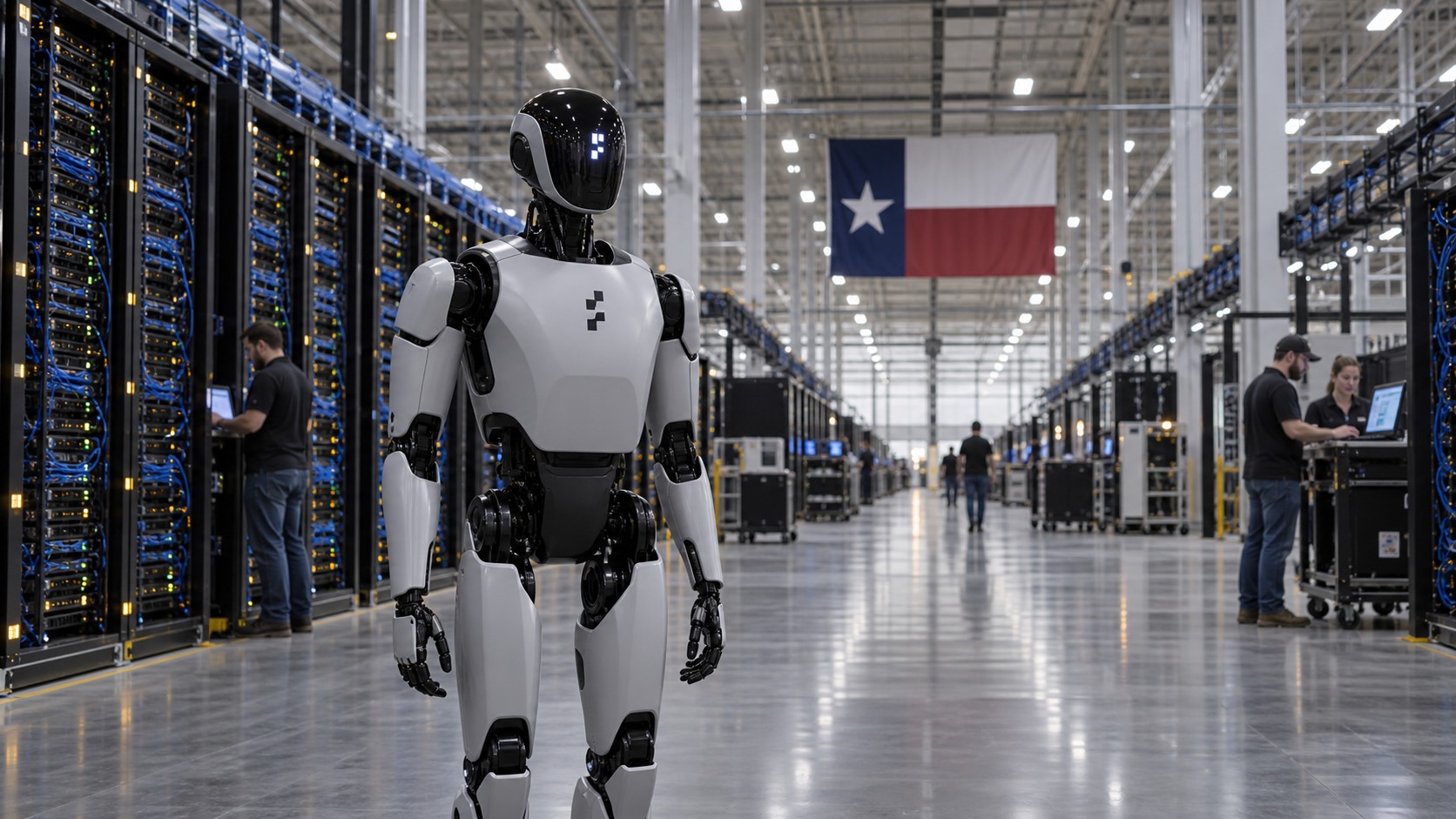
Figure and Nscale plan a Texas compute deployment that could grow to 100,000 Nvidia Vera Rubin GPUs, revealing how quickly humanoid robotics is adopting the capital model of frontier AI labs.
Qwen-Drive 1.0 adapts Alibaba’s 4-billion-parameter multimodal model for 3D perception, driving questions and trajectory planning while keeping the base architecture intact.
AWS and Nvidia have outlined a continuous training pipeline for robots and autonomous vehicles using Cosmos 3 and SageMaker HyperPod. The architecture treats synthetic data, post-training and closed-loop simulation as one recurring production system.
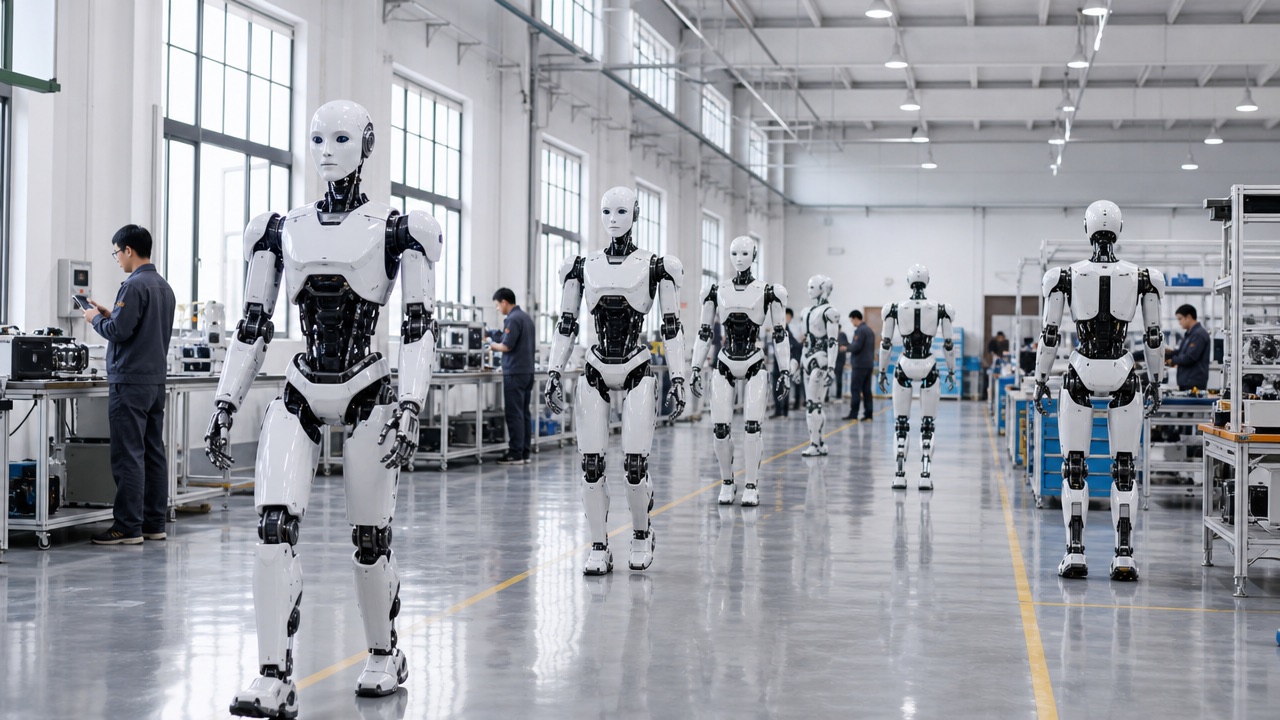
AGIBOT, Unitree, Galbot, UBTECH and Leju accounted for 86% of global humanoid shipments in the first half of 2026, according to Counterpoint Research. Most units still serve entertainment, research and data production rather than industrial work.
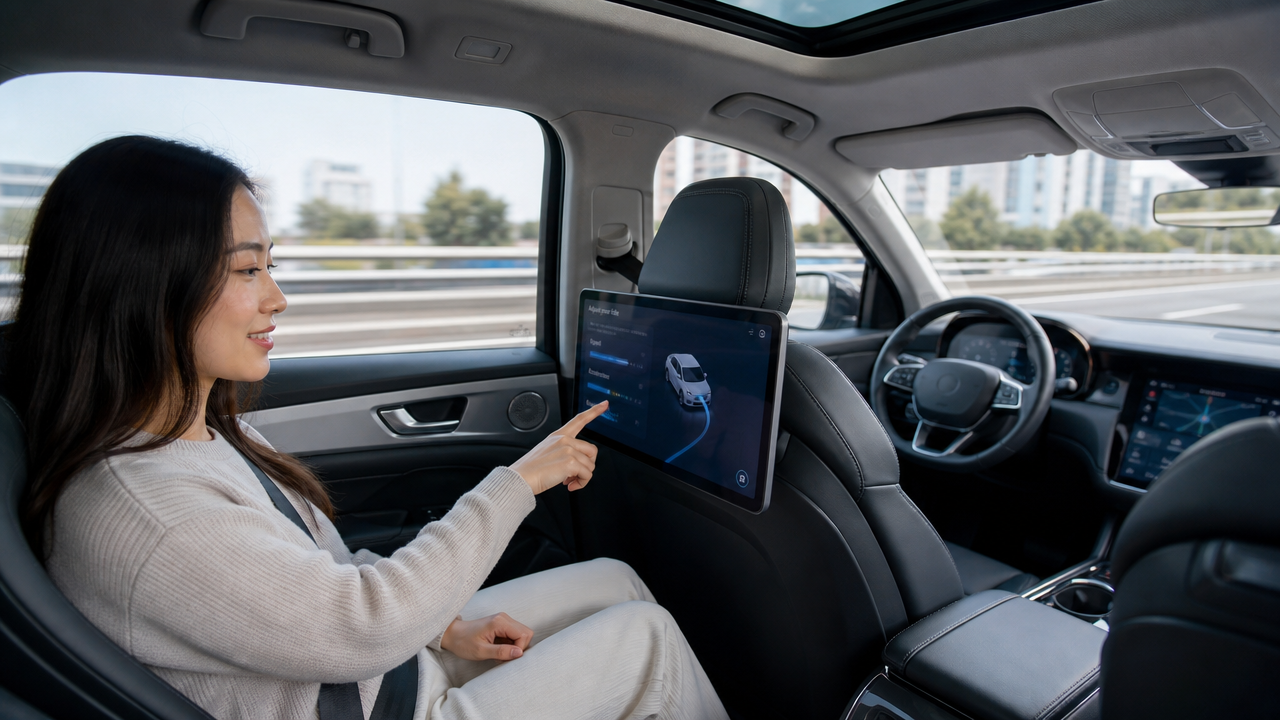
A new motion planning system enables passengers to request changes to speed, acceleration and turn smoothness during autonomous driving while maintaining safety constraints. The approach addresses challenges in natural language interpretation, motion sickness prevention and regulatory certification.
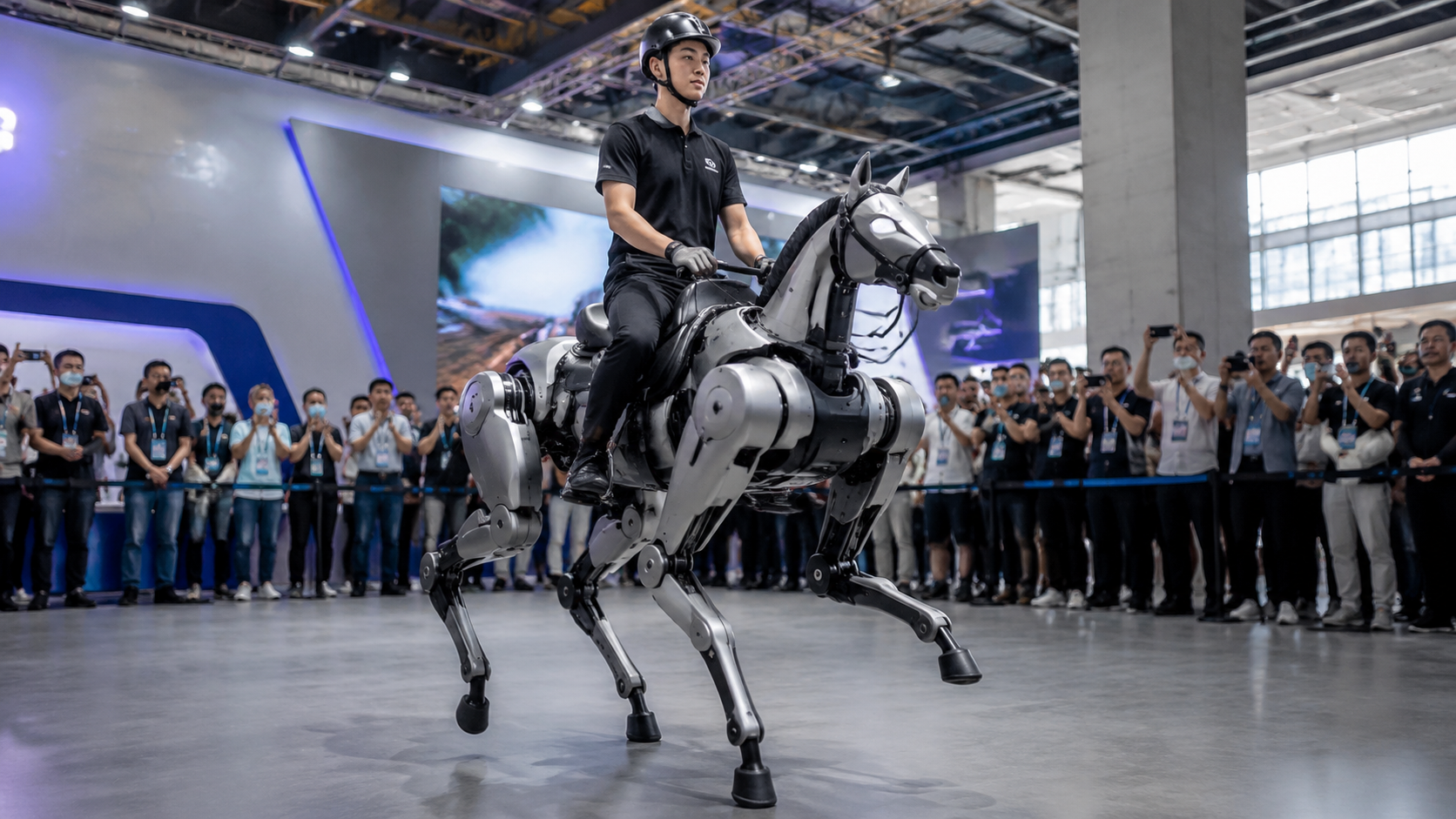
Engineers at a Chinese robotics conference unveiled a four-legged robot capable of carrying a rider, drawing attention to advances in legged locomotion and balance systems. The demonstration illustrates progress in hardware design while leaving critical questions about real-world deployment and commercial viability unresolved.
Actuate 26 will bring robotics leaders from Google DeepMind, NVIDIA, Wayve, Zipline and production startups to Fort Mason, with the agenda centered on data, safety and the infrastructure required to operate robots outside demos.
U.S. restrictions on certain foreign-made humanoid and quadruped robots make market access a question of software, remote access and product evidence as much as tariffs or shipping.
China expects sharply higher humanoid robot output this year, but factory-scale value will depend on uptime, safety, maintenance and measured task performance rather than unit-count headlines.
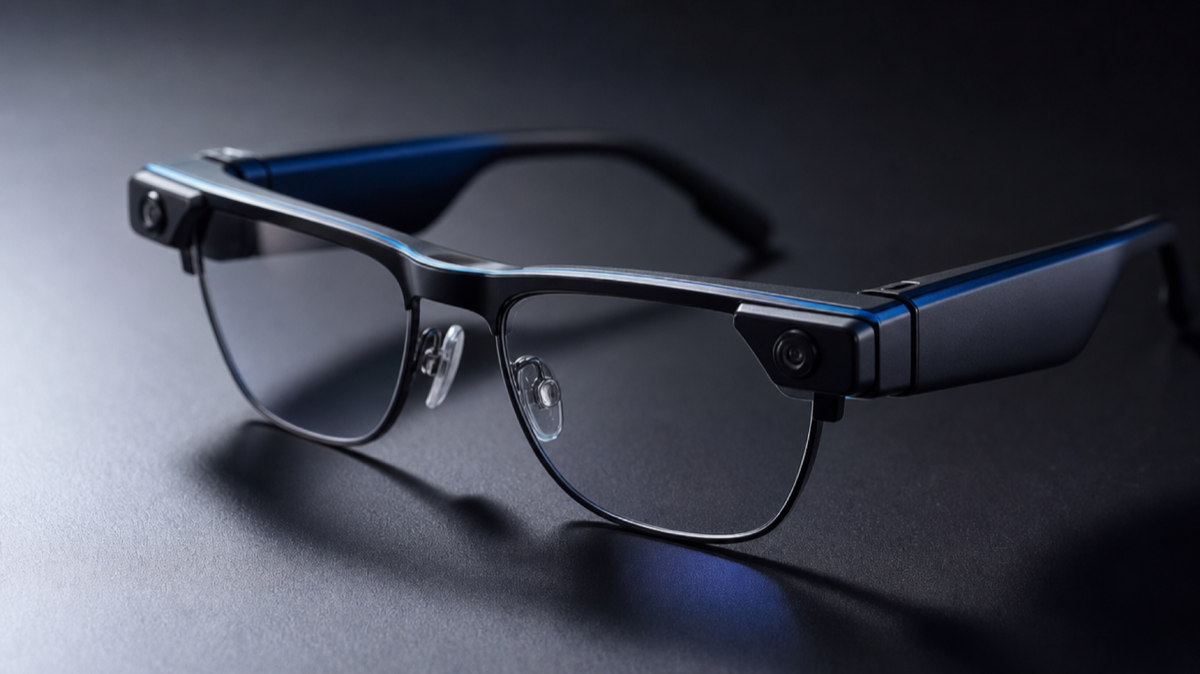
Meta has awarded nearly $2 million to organizations testing AI glasses in construction, roadside repair, farming and accessibility work, placing real-world safety and usefulness ahead of another consumer gadget pitch.
Foundation Future Industries, backed by Eric Trump, said it will use AMD processors to co-develop humanoid robots for military and industrial use, according to Reuters.
LG Electronics has created a Robotics Business Center to consolidate its robot efforts and build data-factory capability, putting the company’s next test in the training, integration and operating discipline behind a robot fleet.
Fujitsu is bringing Nvidia technology into a Japanese robotics push that joins AI software with the manufacturing depth Japan has spent decades building.
Nvidia's edge-focused robotics push shifts physical AI from training demonstrations toward the difficult work of running perception and planning close to real machines.
Japan's latest work with Nvidia shows the physical-AI race is broadening beyond humanoid demonstrations toward the industrial tooling, simulation, components and factory data needed to deploy robots at scale.
Google Cloud's Nexus SDV work with Android Automotive shows how AI-defined vehicles could turn fleet telemetry and in-car controls into a new security and governance challenge for automakers.
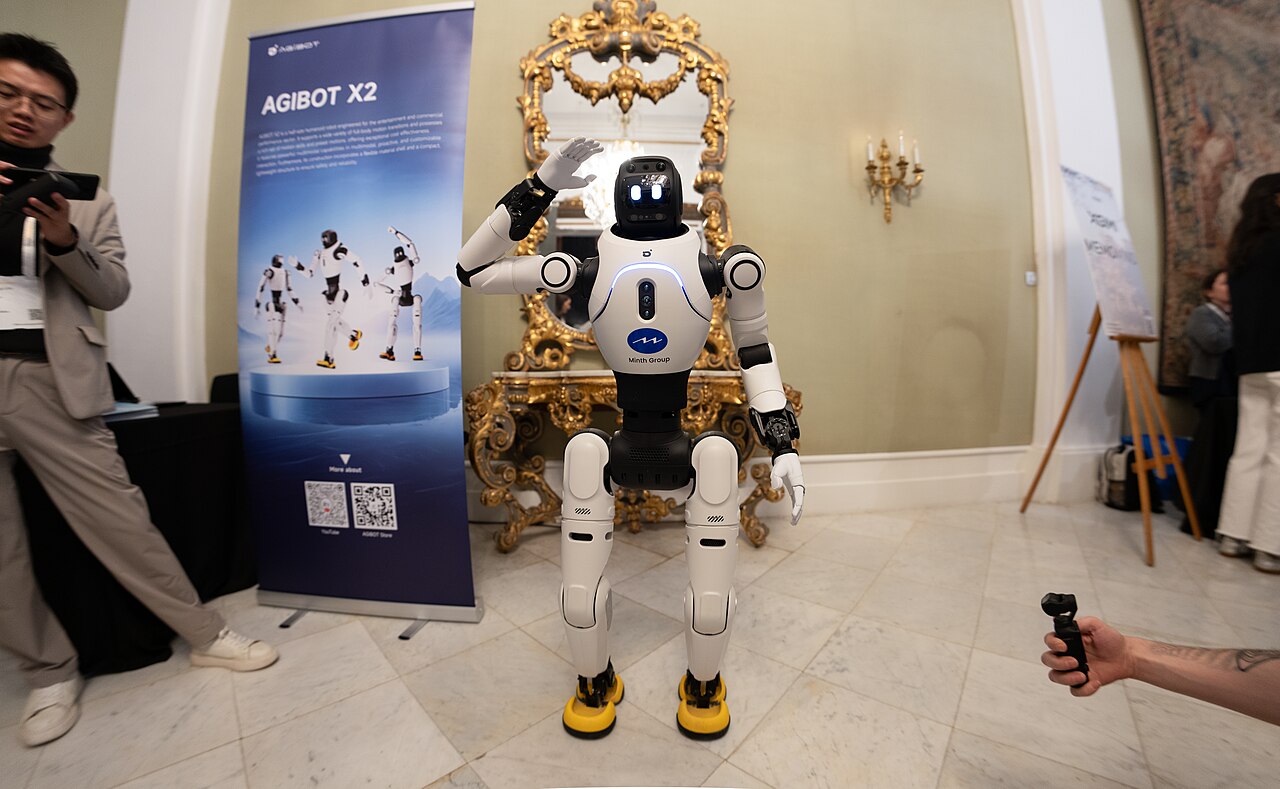
Agibot's international showcase highlights China's bid to turn humanoid robots from spectacle into deployable equipment backed by domestic manufacturing and AI engineering.
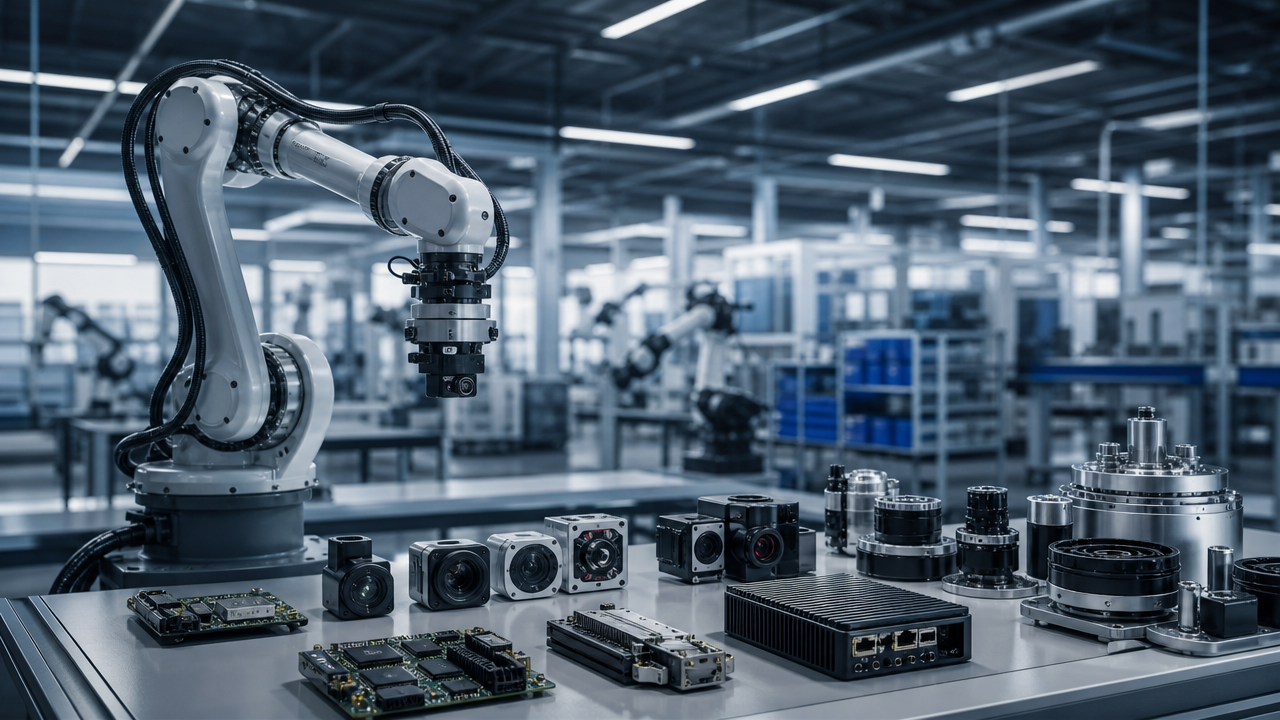
As humanoid pilots move from videos to factories, attention is shifting to the suppliers behind joints, sensors, actuators, gearboxes, batteries and service contracts.
Physical AI startup Mowito has raised $3 million to build factory robots that learn from demonstration instead of traditional coding. The round points to a practical robotics market built around easier deployment, not humanoid spectacle.
A humanoid robot appearance at a global sports event would not prove autonomy, but it would show how robotics companies are using spectacle to normalize embodied AI in public life.
Factory inspection is emerging as one of the more realistic early markets for humanoid robots. The work is structured enough for pilots, but still demanding enough to expose the limits of embodied AI.
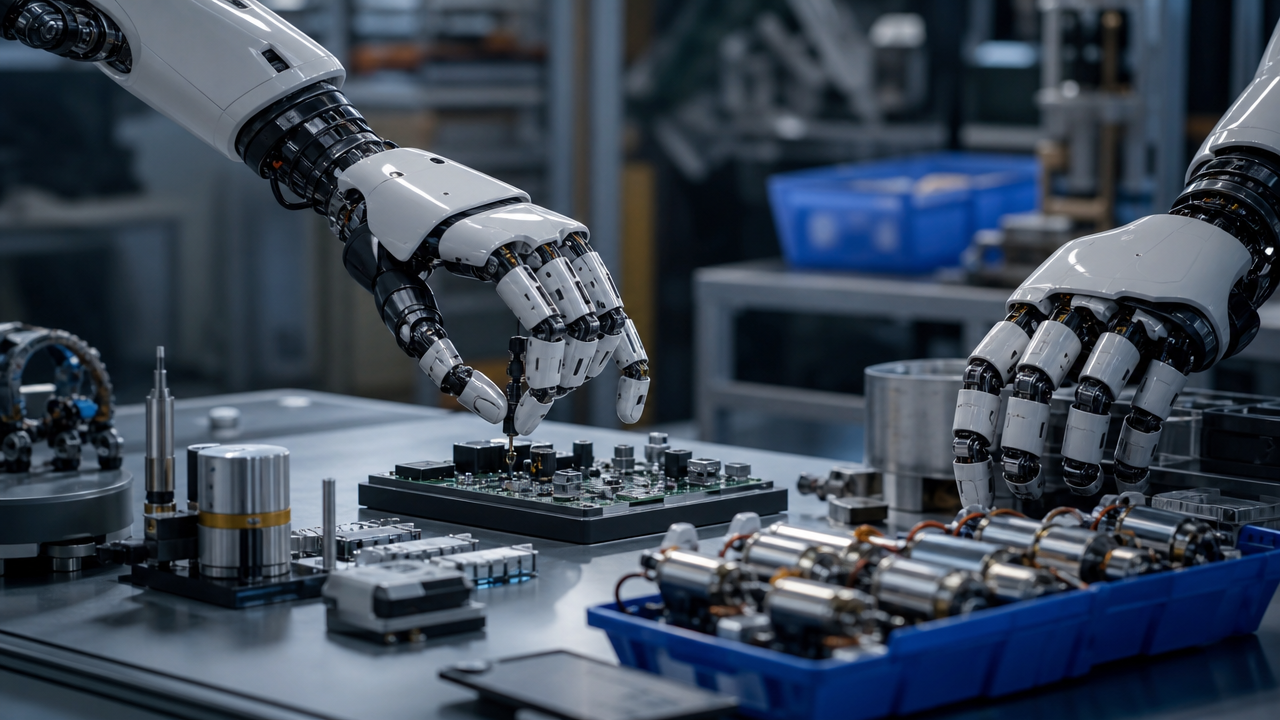
Humanoid robots may get the headlines, but dexterous hands, actuators, tactile sensors, and precision assembly are becoming the supply-chain layer that decides whether physical AI can scale.
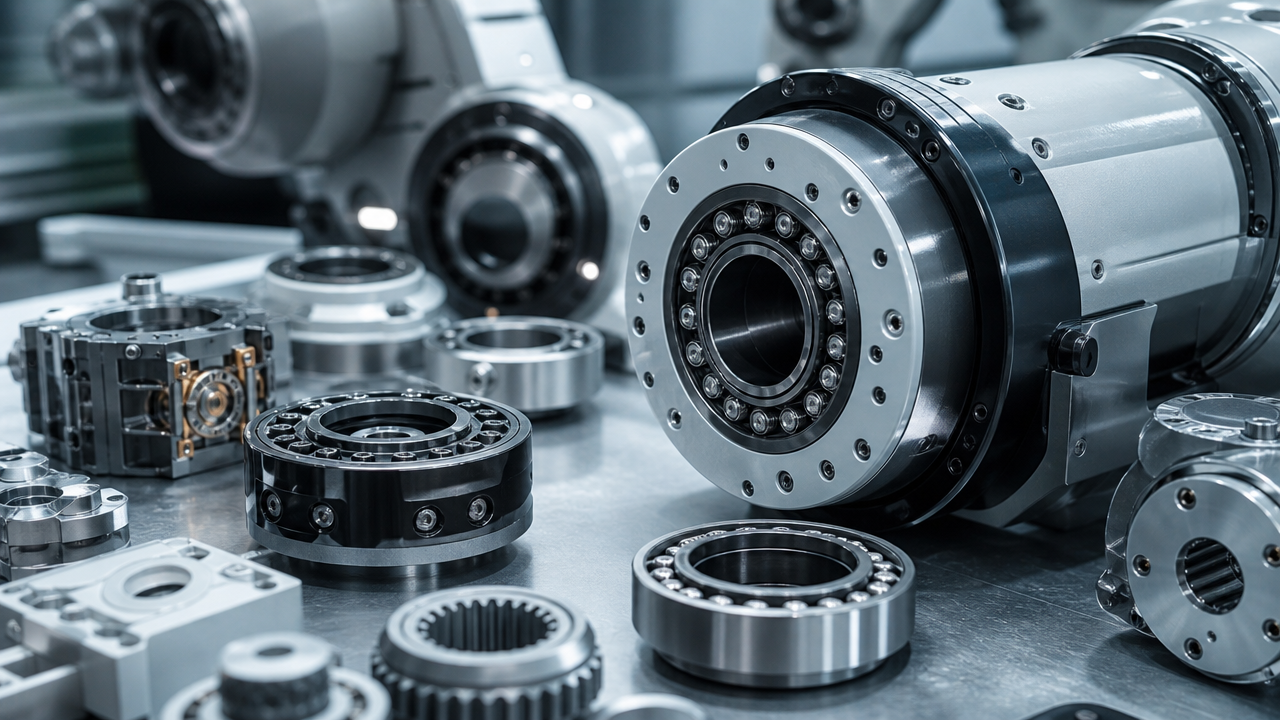
SKF's joint venture with Leaderdrive points to a practical truth behind the humanoid boom: robot joints, bearings, transmissions, and actuators may matter as much as model intelligence.
The Embodied-R1.5 research release highlights where robotics foundation models are headed: planning, grounding, self-correction, and evaluation that moves beyond single-task demonstrations.
FieldAI's reported $100 million contract milestone points to a robotics market where universal autonomy software, fleet operations, and risk-aware deployment may become more valuable than any single robot body.
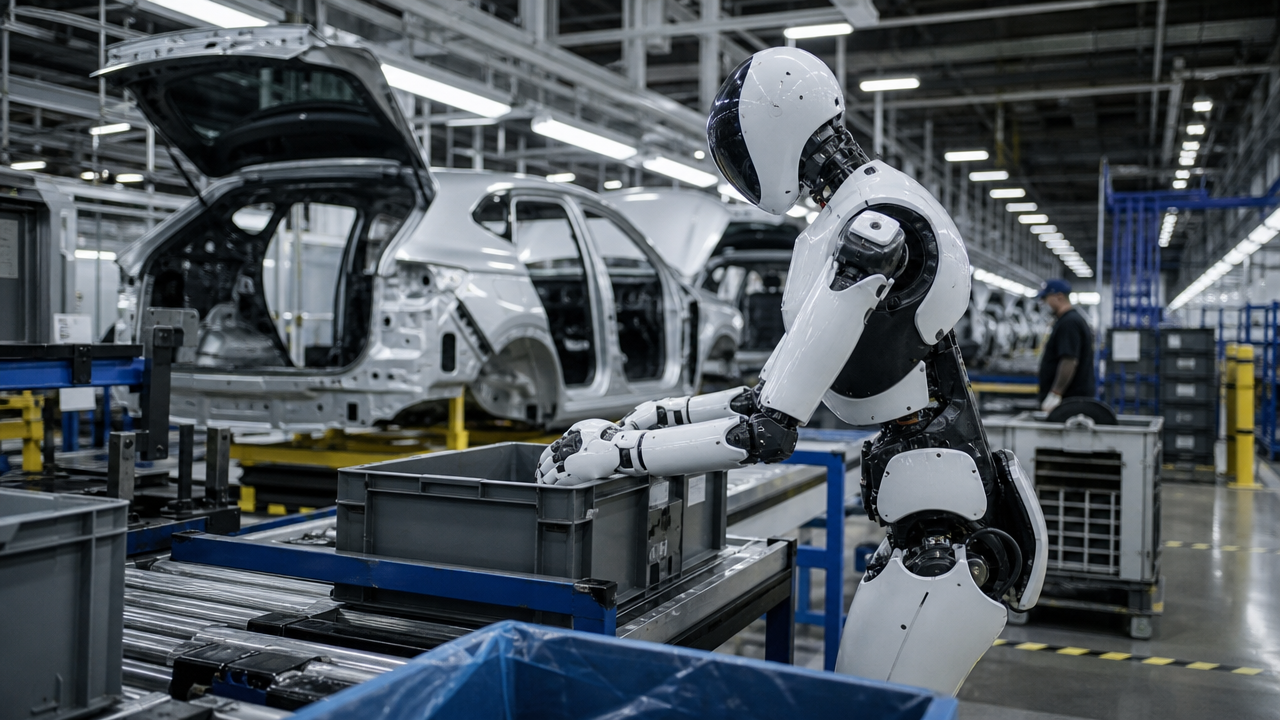
BMW's reported deployment of Figure humanoids at its Spartanburg factory points to a practical robotics path: logistics, ergonomics, and repetitive industrial work before open-ended consumer autonomy.
UBTech's latest home-focused humanoid shows why consumer robotics is becoming a different contest from factory automation. The hard problems now include safety, privacy, teleoperation, and whether people actually want a robot sharing domestic space.
Robotics foundation models are moving from impressive demos toward harder evaluation. The next question is whether embodied AI can be measured across safety, reliability, task transfer, and recovery from messy real-world failures.
Genesis AI's Eno robot is being pitched as a practical alternative to human-shaped robots, according to Business Insider. The design points to a sharper robotics question: should general-purpose machines imitate people, or just do the work people need done?
A new SAE World Congress paper frames embodied AI as a deployment challenge, not just a model challenge. As robots, autonomous vehicles, and industrial machines gain more autonomy, safety depends on engineering discipline across the full system lifecycle.
A new embodied AI safety paper underscores a larger shift: AI risk is no longer only about text outputs. As robots, vehicles, and industrial systems gain autonomy, safety becomes a systems-engineering problem with physical consequences.
Hello Robot is making the case that a wheeled assistive robot can reach homes and research labs before humanoids become practical. Its Stretch platform points to a quieter robotics path built around usefulness, accessibility, and real-world data rather than spectacle.
Waymo's new Ojai vehicle — a Zeekr-manufactured minivan equipped with 6th-generation autonomous driving hardware — is now accepting select riders in Los Angeles, Phoenix, and San Francisco. It is the first Waymo vehicle designed from the ground up for commercial scalability.
Foretellix announced a reference solution for the NVIDIA Alpamayo ecosystem, enabling autonomous vehicle developers to accelerate data curation, synthetic data generation, testing, and validation workflows for next-generation AI-powered driving systems.
A global survey of 1,000 robotics developers by QNX Research finds that 27% cite software architecture as their biggest performance bottleneck, compared to just 16% who point to hardware. As robots move into dynamic real-world environments, software foundations are becoming the decisive factor.
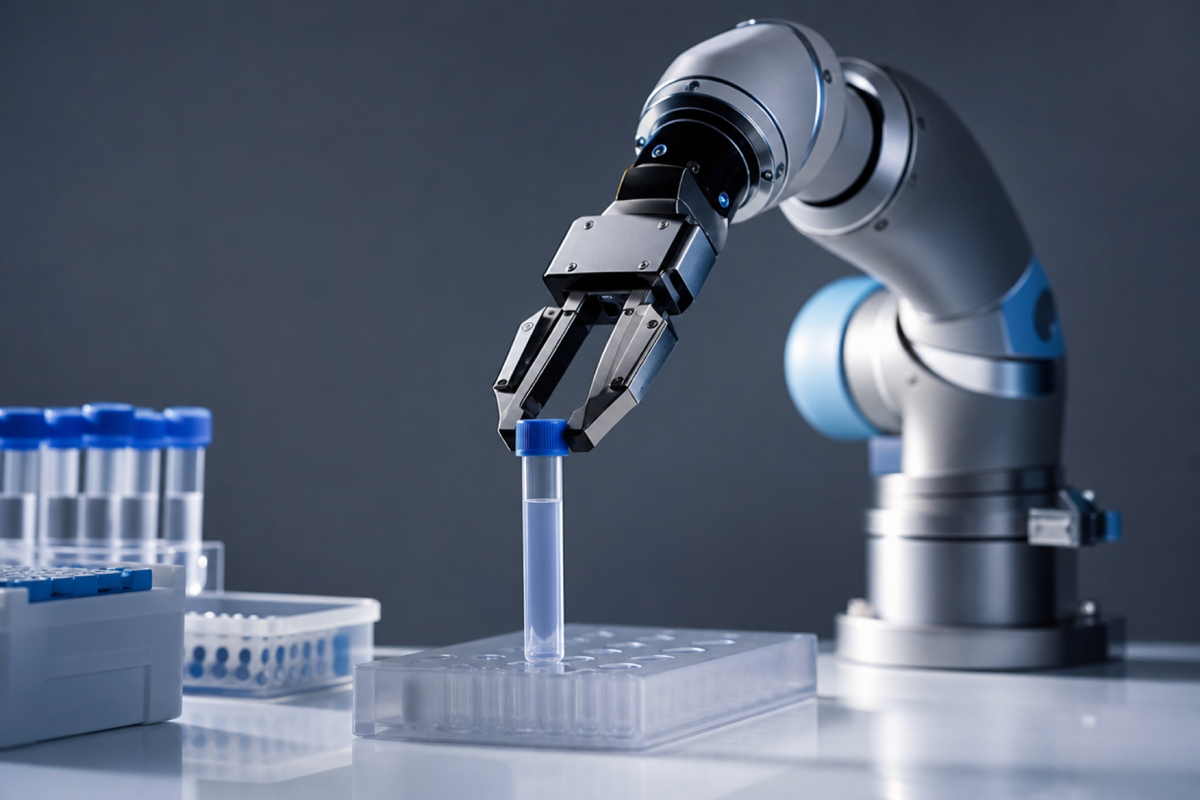
A facility in Japan where robots conduct experiments independently, 24 hours a day, is offering a glimpse of what autonomous scientific research looks like — and raising questions about the future of human researchers.
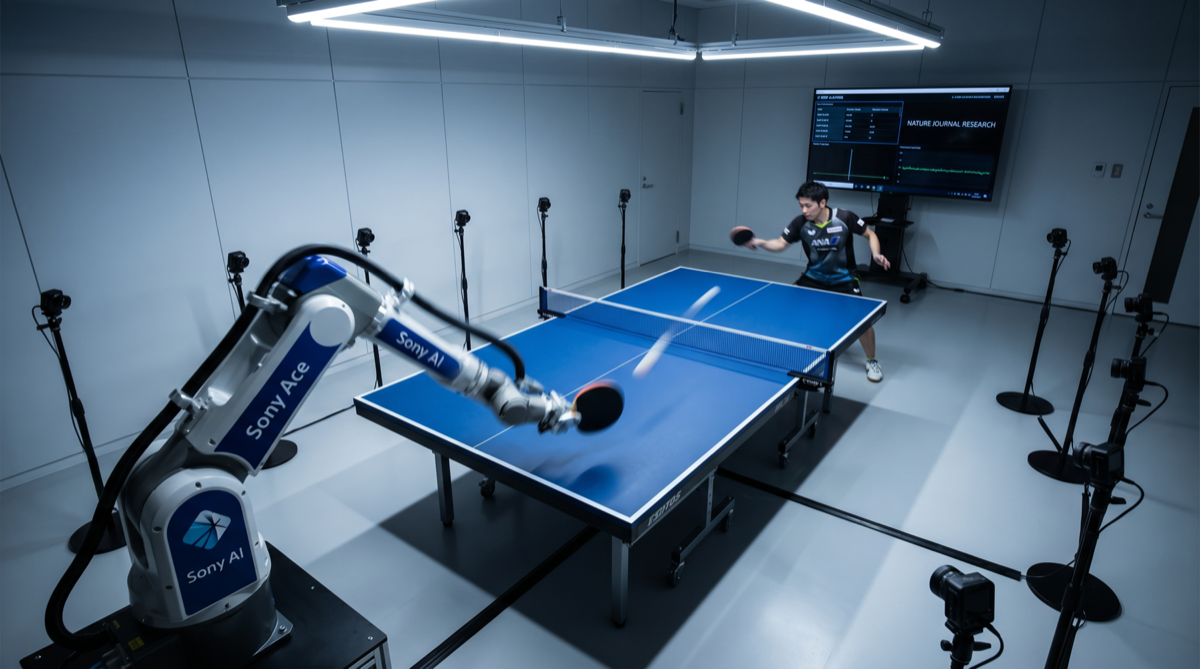
Sony AI's Ace robot, detailed in a landmark Nature paper, has become the first autonomous system to achieve expert-level play in a commonly played competitive sport — defeating professional athletes in controlled matches.
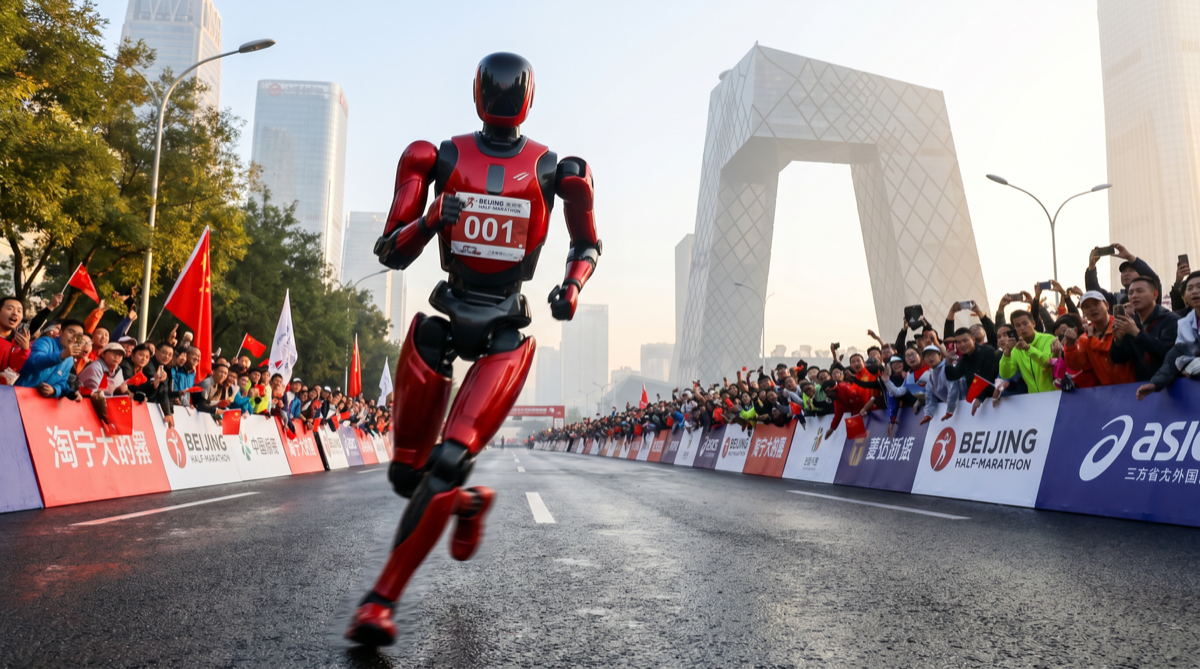
At the Beijing E-Town Half Marathon, a red humanoid robot named Lightning finished the 21km course faster than any human has ever run it. The achievement is real — but what it actually proves about the state of robotics is more complicated.
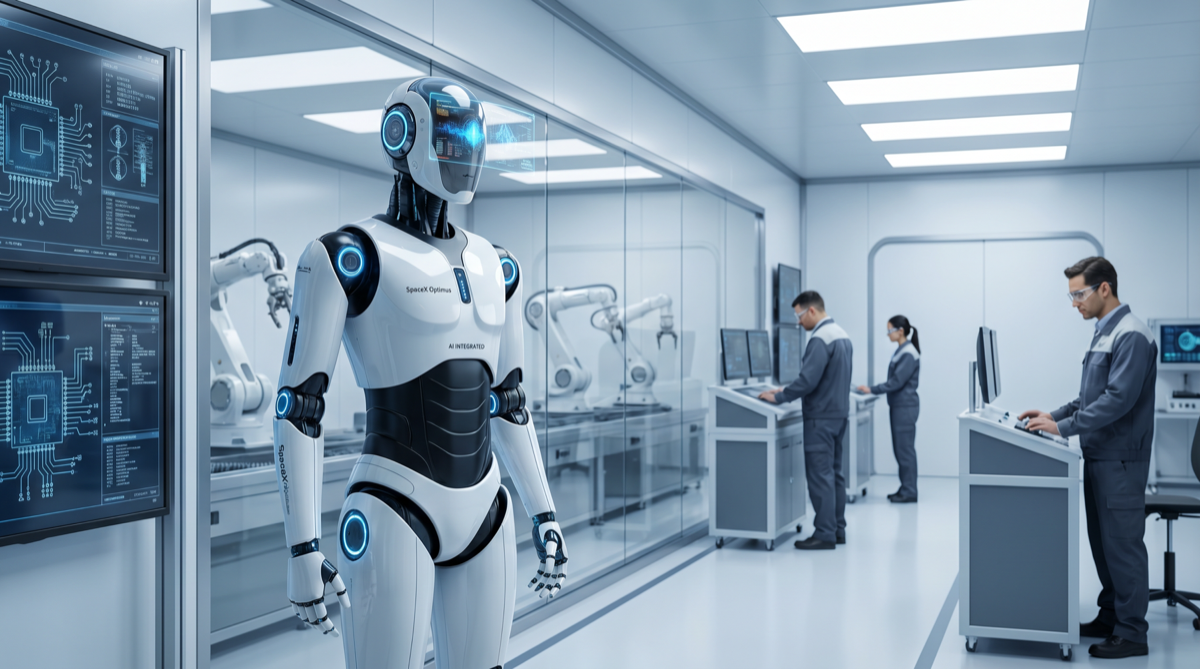
SpaceX's Optimus humanoid robot reaches production milestones with advanced AI integration, with 1,000 units deployed in Tesla factories and commercial availability announced for 2027.