Robotics
Embodied-R1.5 Puts Robot Foundation Models On A More Serious Benchmark Path
The Embodied-R1.5 research release highlights where robotics foundation models are headed: planning, grounding, self-correction, and evaluation that moves beyond single-task demonstrations.
By Michael G ·
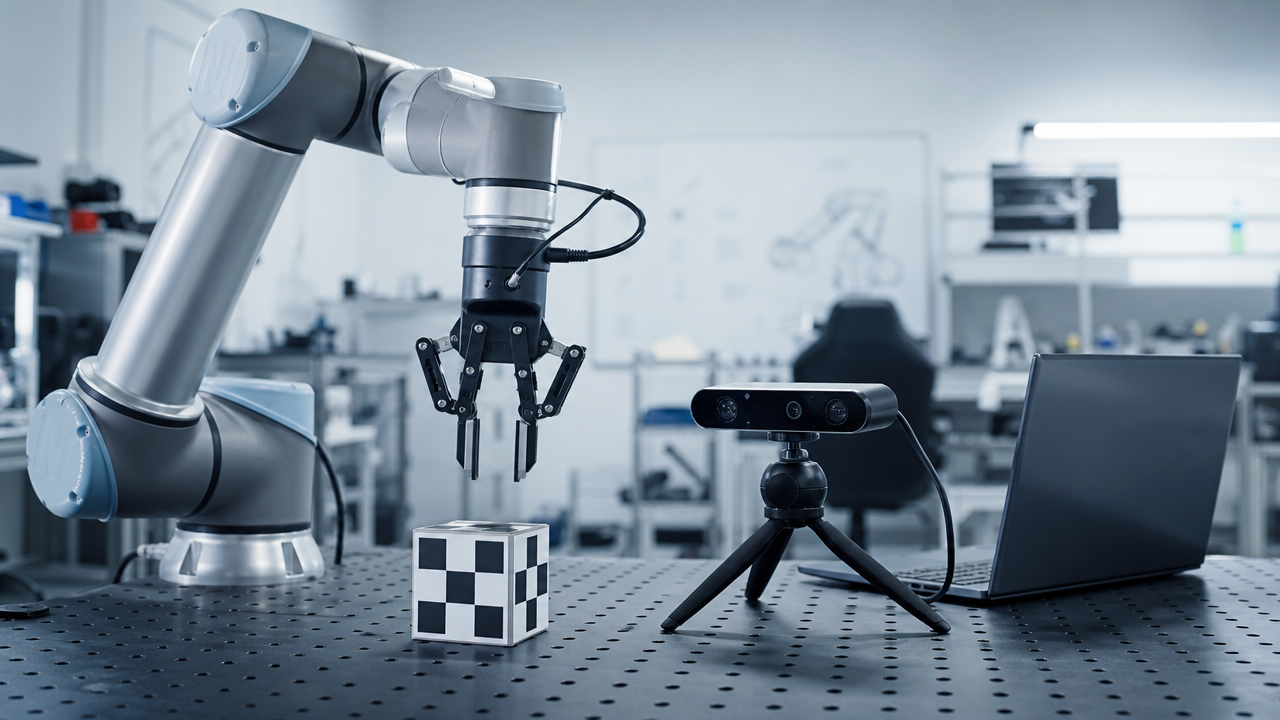
Embodied-R1.5 is interesting because it points robotics foundation models toward a harder standard than polished task videos. The research emphasizes embodied reasoning, task planning, grounding, correction, and evaluation across multiple embodied benchmarks, which is exactly where the field needs pressure.
The robotics industry has no shortage of demos. What it lacks is confidence that a system can transfer across tasks, notice when it is wrong, recover from partial failure, and operate under real-world constraints. That is why planning and correction matter more than a single flawless manipulation clip.
Planning Is Not Enough Without Grounding
Robots need to connect language and intent to physical affordances. A model can understand the phrase open the drawer, but the robot still has to identify the handle, choose a grasp, manage force, adjust to friction, and recognize whether the drawer actually moved. Grounding turns an instruction into an action path.
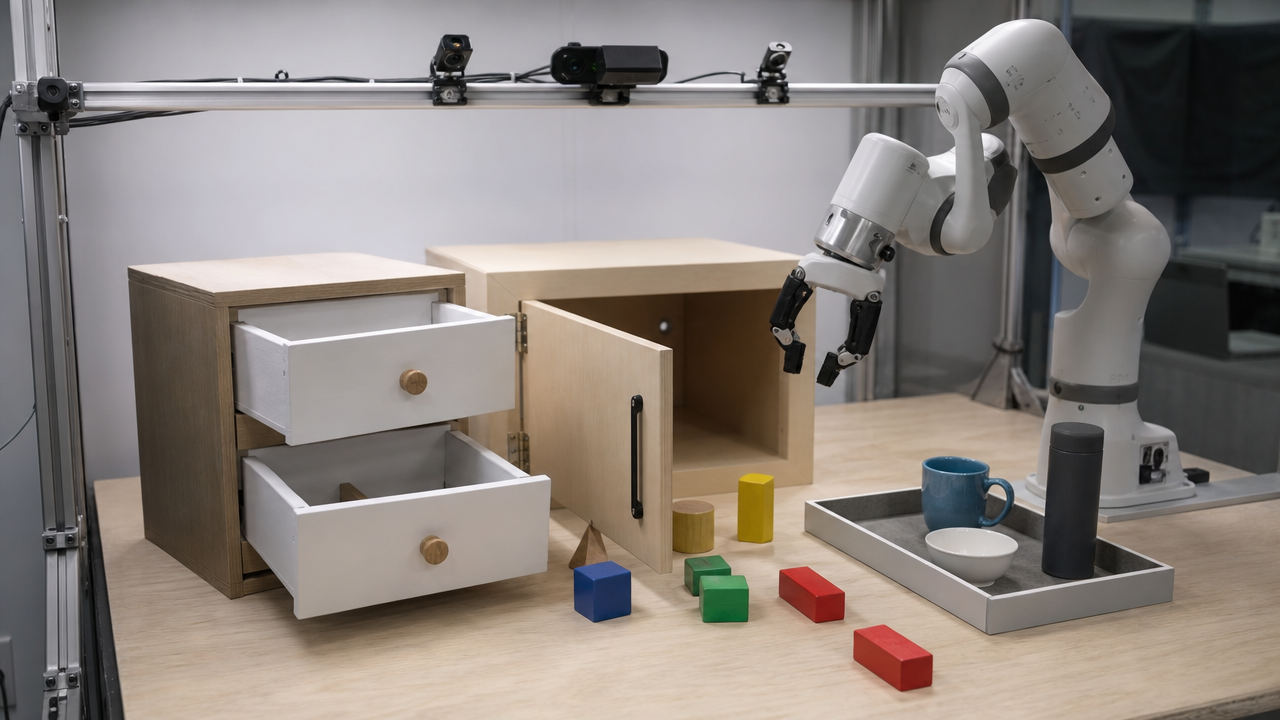
Self-correction is the next layer. In physical work, the first action often fails. The gripper misses, the object slips, the view is blocked, or the environment changes. A serious embodied model needs to observe the failure, update the plan, and recover without treating every deviation as a fresh task.
Benchmarks Have To Measure Recovery
Robotics benchmarks should reward safe recovery, calibrated uncertainty, intervention awareness, and task progress under imperfect conditions. A robot that completes a task only when the scene is arranged perfectly is not ready for deployment. A robot that knows when to pause may be more valuable.
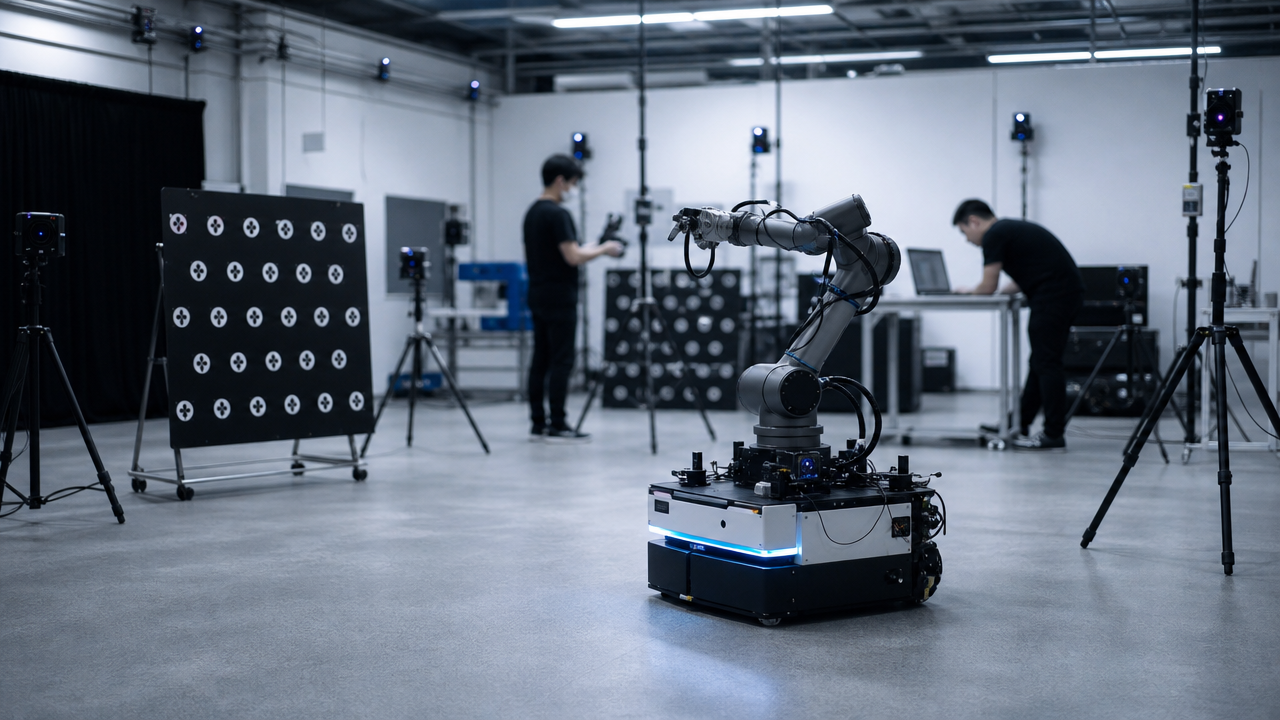
The open-source angle is also important. If weights, datasets, training recipes, and evaluation tools are available, the field can compare progress more honestly. Robotics is expensive enough already; shared benchmarks and reproducible tools reduce the amount of progress hidden behind marketing.
Topics: Embodied-R1.5, embodied AI, robot foundation models, benchmarks