Robotics
FieldAI Shows The Robotics Market May Be Won By Software Before Hardware
FieldAI's reported $100 million contract milestone points to a robotics market where universal autonomy software, fleet operations, and risk-aware deployment may become more valuable than any single robot body.
By Michael G ·
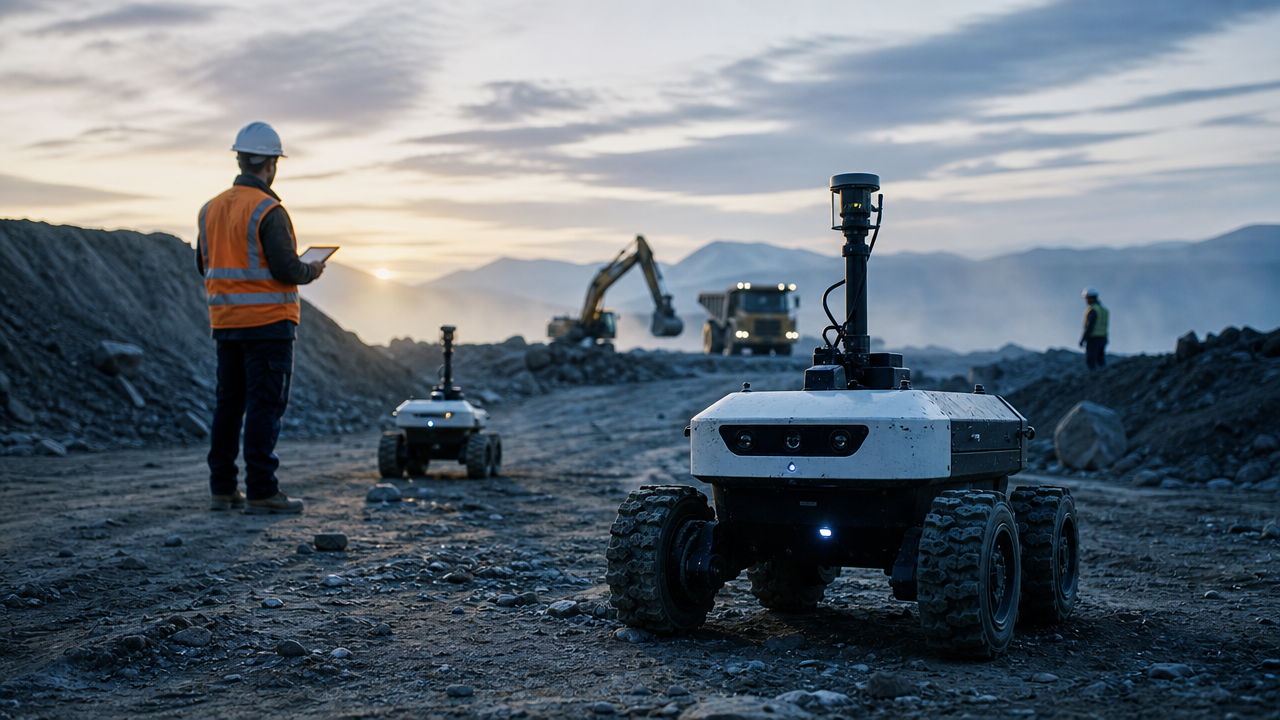
FieldAI's reported contract momentum is a reminder that the robotics market may be won by software before hardware. The headline attraction in robotics is often a striking machine body, but the durable commercial layer may be the autonomy system that lets different robots operate safely in mines, construction sites, energy facilities, and defense environments.
That is a different robotics thesis from building one perfect humanoid. It treats the robot body as a deployment surface and the intelligence layer as the scaling asset. If the same software can adapt across machines and environments, the business can compound faster than a hardware-only company.
Field Robots Live Where Data Is Messy
Industrial field environments are hostile to brittle automation. Construction sites change daily. Mines are dusty, uneven, and dangerous. Infrastructure inspections involve weather, vibration, bad maps, and connectivity gaps. A system that works there needs risk-aware navigation, robust perception, and graceful fallback behavior.
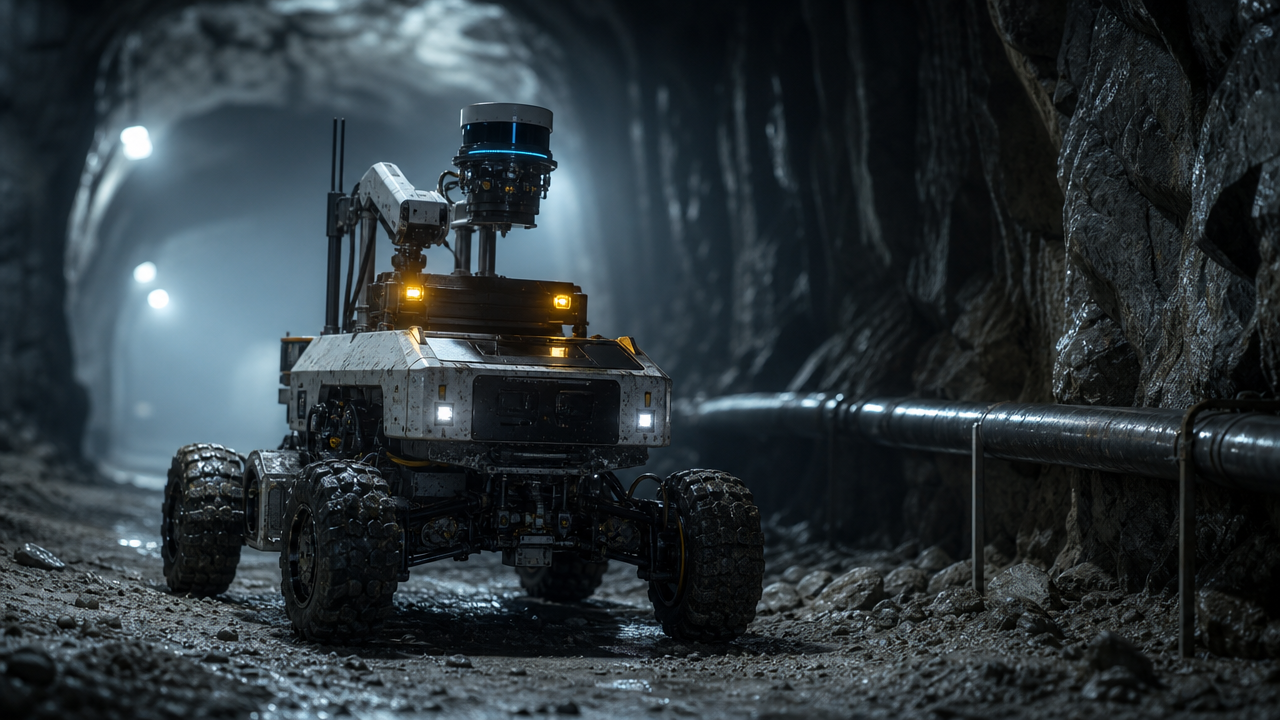
That is why software architecture matters. A field robot has to reason under uncertainty, decide when not to proceed, and leave enough operational evidence for humans to trust what happened. The market is less about a single impressive demo than repeatable deployment across ugly environments.
The Fleet Layer Becomes The Product
The next valuable robotics interface may look more like a fleet command system than a robot showcase. Customers need scheduling, maps, remote supervision, incident logs, health monitoring, model updates, and integration with existing work systems. That control layer is where autonomy becomes operational.

FieldAI's positioning also fits a broader investment pattern. Capital is chasing the layer that can generalize: foundation models for robots, simulation, fleet software, safety systems, and deployment tooling. Hardware still matters, but the leverage may sit in the intelligence that travels across hardware.
Topics: FieldAI, industrial robotics, robot foundation models, autonomy