Robotics
Mowito Raises $3 Million To Teach Factory Robots By Demonstration
Physical AI startup Mowito has raised $3 million to build factory robots that learn from demonstration instead of traditional coding. The round points to a practical robotics market built around easier deployment, not humanoid spectacle.
By Michael G ·
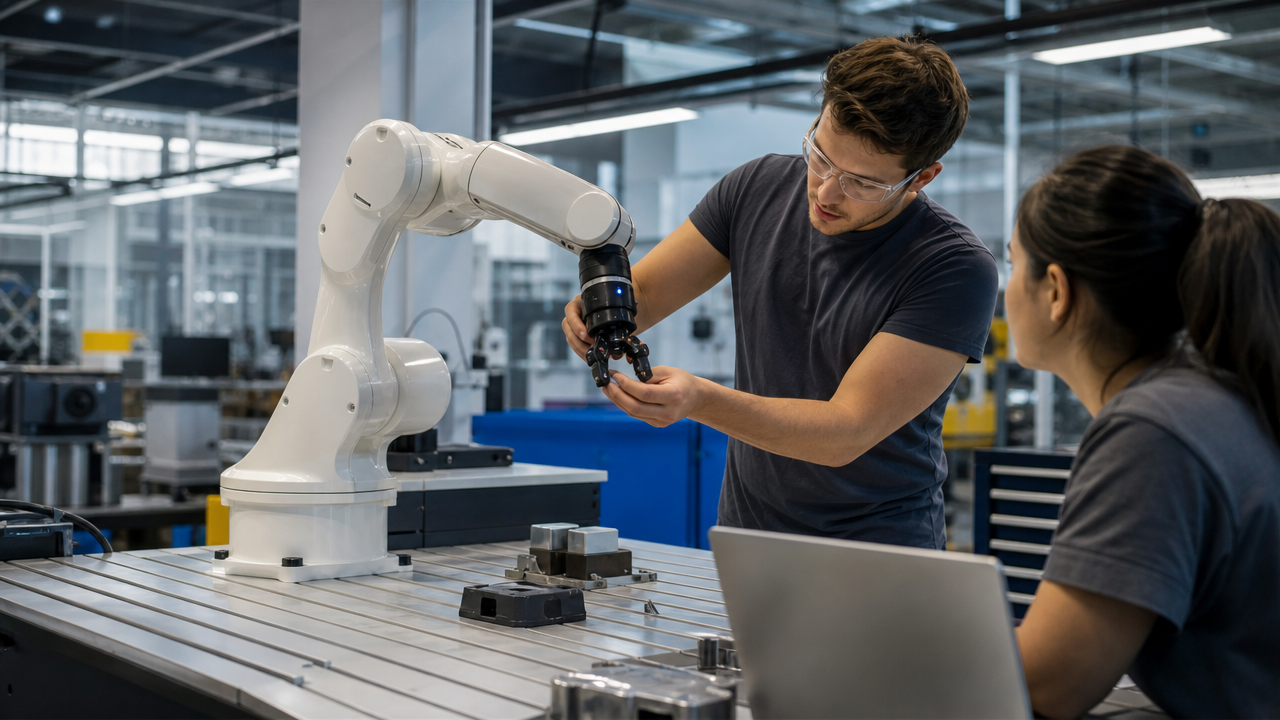
Mowito has raised $3 million to pursue one of the more practical promises in physical AI: factory robots that can learn tasks by watching demonstrations rather than being painstakingly programmed line by line.
The Economic Times reported that the pre-seed round was led by Version One Ventures, with participation from All In Capital, Unisol, iSeed and several angel investors. The company is working on AI foundation models for robotic arms, targeting industrial tasks where deployment friction still limits automation.
The funding is small compared with the enormous rounds going into humanoid robot companies, but the market signal is important. Most factories do not need a robot that looks human. They need robots that can be taught new tasks faster, recover from variation, and fit into production lines without months of integration work.
Teaching by demonstration is attractive because it lowers the skill barrier. A worker can show a robot how to pick, place, inspect, or manipulate an object, and the system can translate that demonstration into repeatable behavior. If it works reliably, the economics of small-batch manufacturing change.
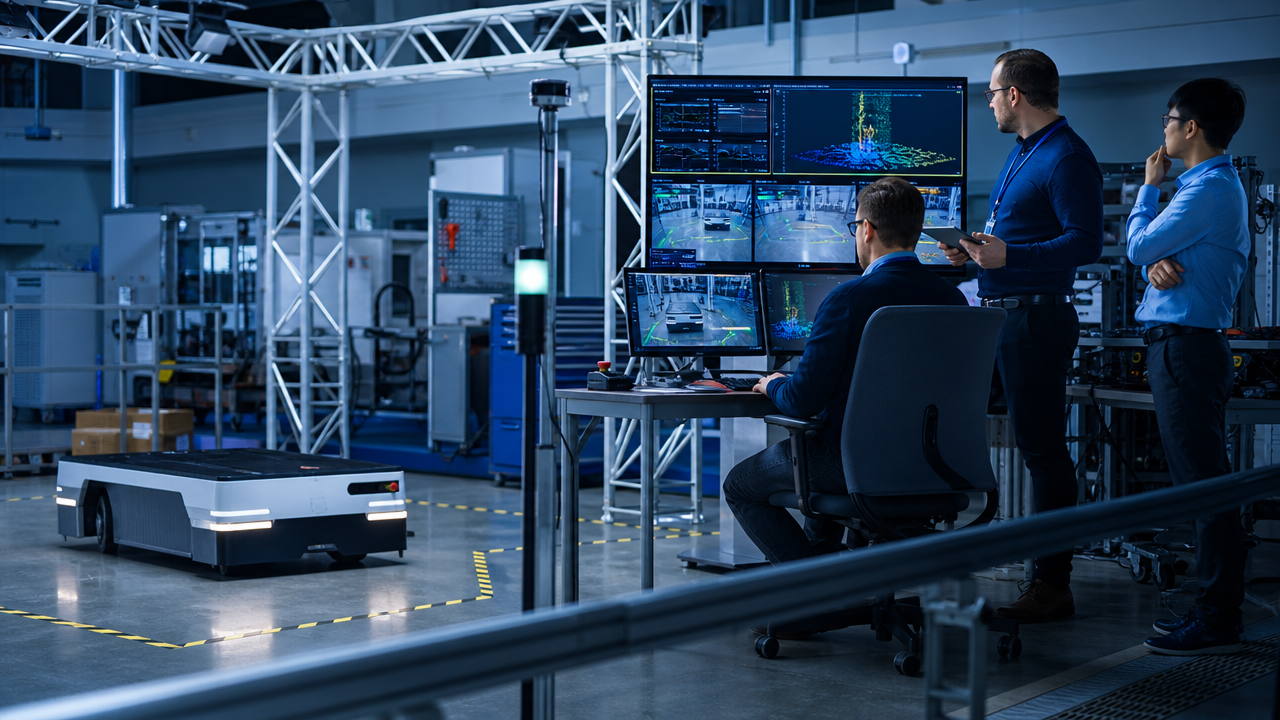
The hard part is generalization. A robot arm that learns one demonstration in one setting is useful, but a robot that adapts across lighting, object variation, gripper wear, and production changes is much more valuable. That is where physical AI becomes difficult: the world does not hold still for the model.
Mowito is entering a crowded but still early market. Robotics foundation models, simulation systems, imitation learning and vision-language-action models are all trying to make robots less brittle. The winner may not be the company with the flashiest demo, but the company that handles the boring edge cases factories actually care about.
For manufacturers, the appeal is labor flexibility. If a robot can be re-taught quickly, it can support shorter production runs and changing SKUs. That matters in electronics, packaging, automotive components, and any factory where product variation makes hard-coded automation expensive.
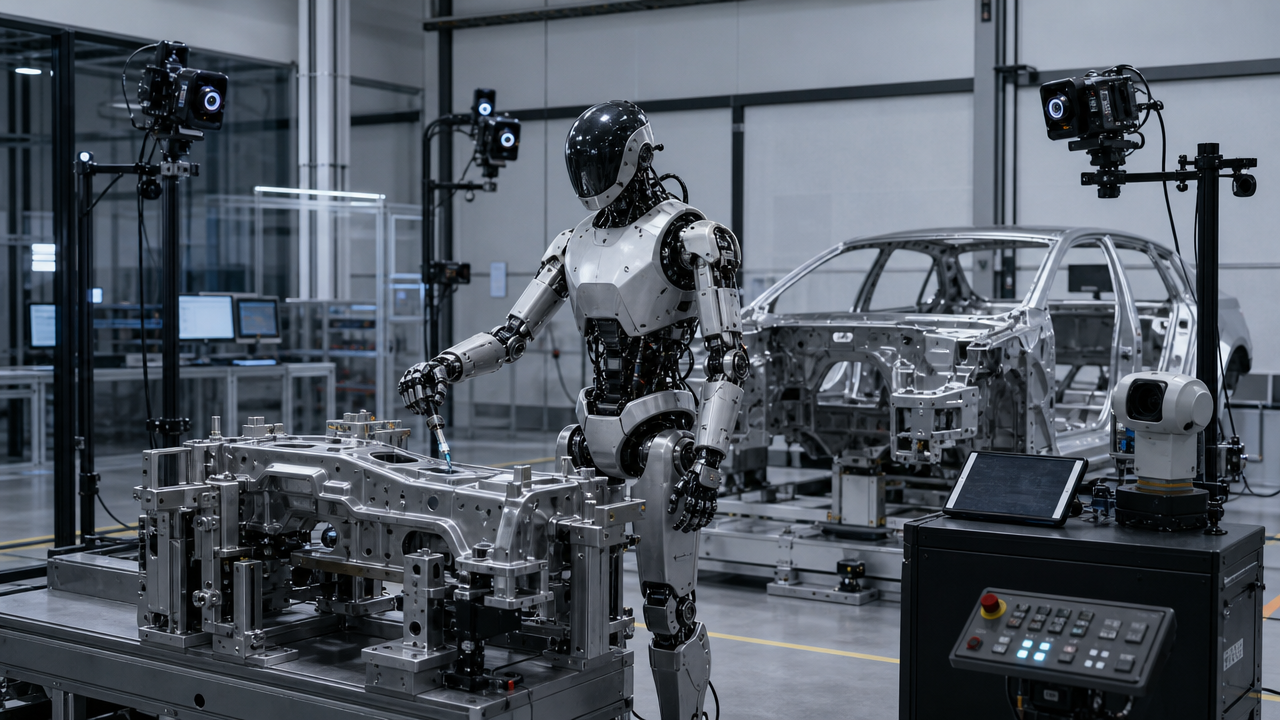
For investors, Mowito's round shows that robotics capital is not only chasing humanoids. The deeper opportunity is software that makes existing industrial hardware easier to deploy. Robotic arms are already in factories. The question is whether AI can make them useful in more places.
That makes Mowito's challenge refreshingly concrete. It does not need to solve every problem in embodied intelligence at once. It needs to prove that demonstration-based learning can reduce deployment time, lower integration cost, and keep working after the demo video ends.
Topics: Mowito, physical AI, factory robots, robot learning