Robotics
Agibot's Humanoid Push Puts China's Physical AI Supply Chain In Focus
Agibot's international showcase highlights China's bid to turn humanoid robots from spectacle into deployable equipment backed by domestic manufacturing and AI engineering.
By Michael G ·
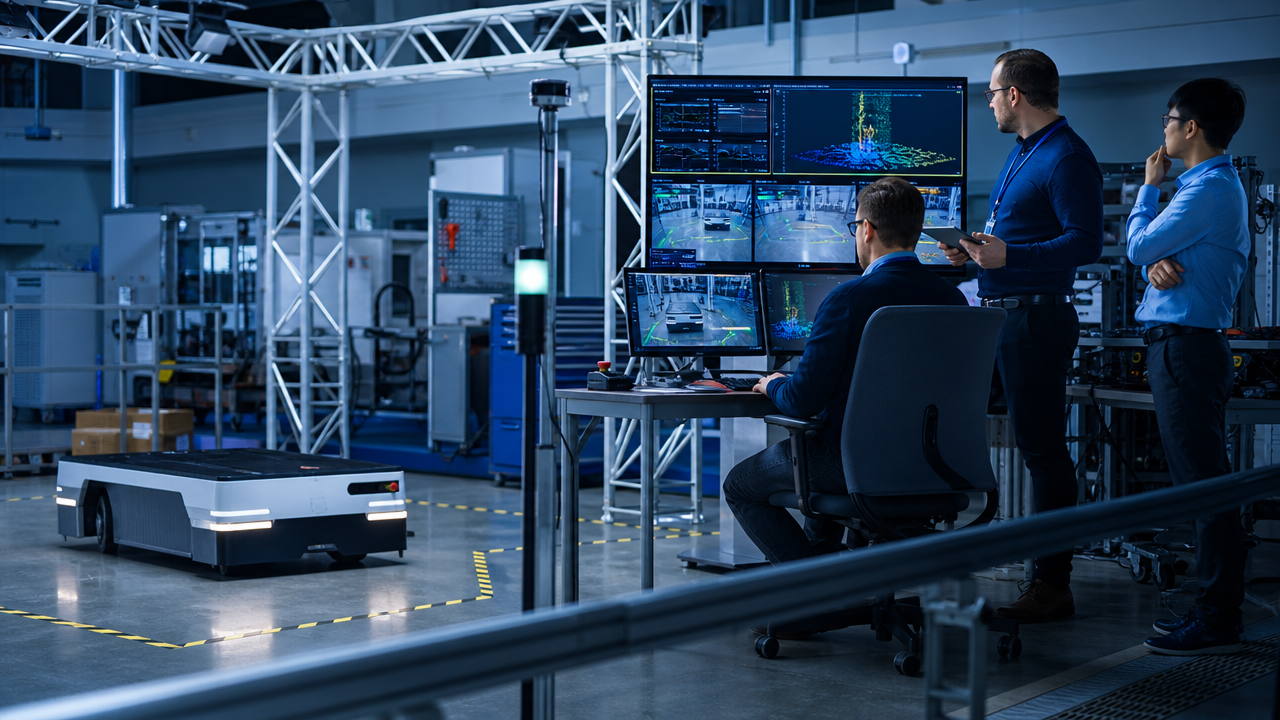
Agibot's recent humanoid robotics push is a reminder that the physical AI race is not only being fought in Silicon Valley. China is trying to turn robotics demonstrations into a manufacturing-led market where locomotion, manipulation, supply chains and deployment discipline matter as much as model intelligence.
The company has presented a lineup that includes full-sized humanoids, smaller humanoids, quadrupeds, industrial robots and cleaning systems. That range matters because it suggests a portfolio approach rather than a single all-or-nothing bet on a human-shaped machine.
Humanoid robots attract attention because they look like the future. Their practical value is harder to prove. Factories, warehouses, construction sites and service environments already use specialized automation. A humanoid has to justify why its form factor is worth the extra balance, safety, cost and maintenance complexity.
Agibot's answer appears to be that embodiment and AI should develop together. Interaction, locomotion and manipulation are not separate features. They have to be engineered as a system, with hardware capable of surviving real environments and software capable of adapting without constant manual programming.
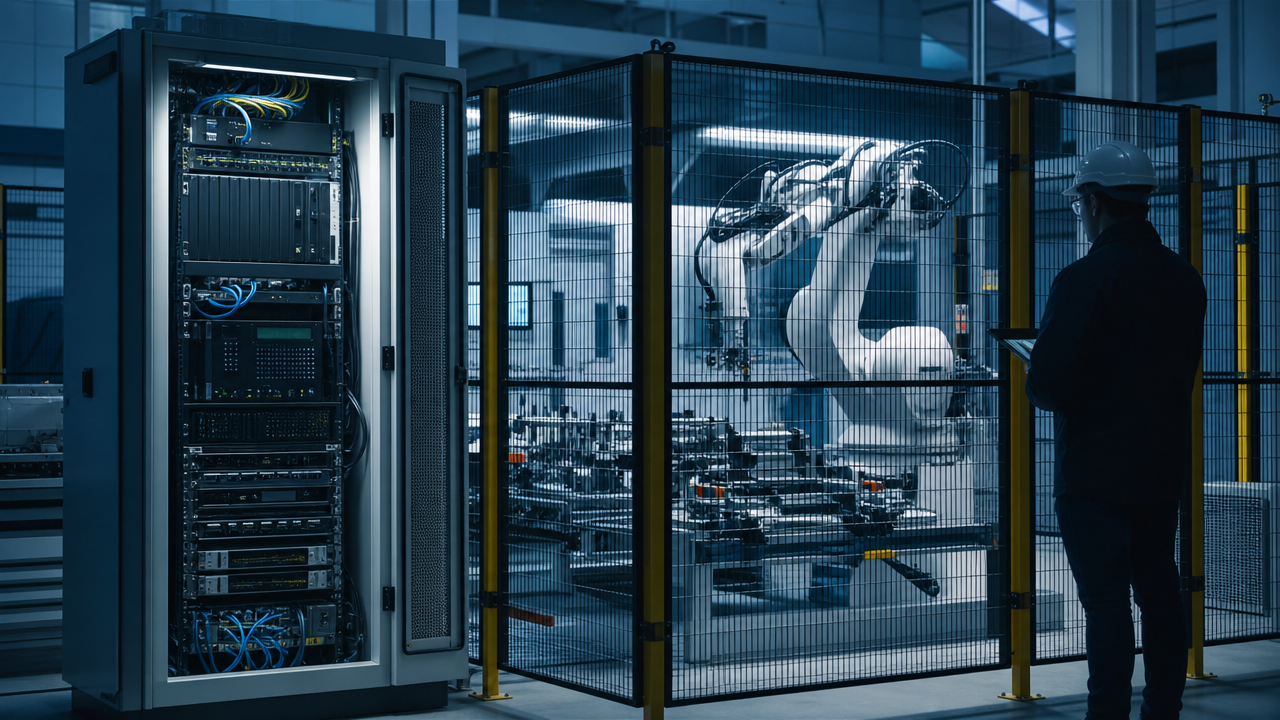
China's advantage may come from the unglamorous parts of the stack: motors, sensors, batteries, machining, supplier density and the ability to iterate hardware quickly. Physical AI is not pure software. A model improvement is valuable only if the robot can execute it reliably through joints, hands, cameras and control loops.
That supply-chain depth also changes the investment story. Western robotics companies often sell the promise of breakthrough generality. Chinese robotics firms may be able to compete by driving down component cost, shortening hardware cycles and placing robots into narrower commercial tasks sooner.
The risk is that humanoid hype outruns deployment evidence. A robot that can dance on a stage or kick a ball is not the same as a robot that can work an eight-hour shift, avoid accidents, recover from edge cases and justify service costs.
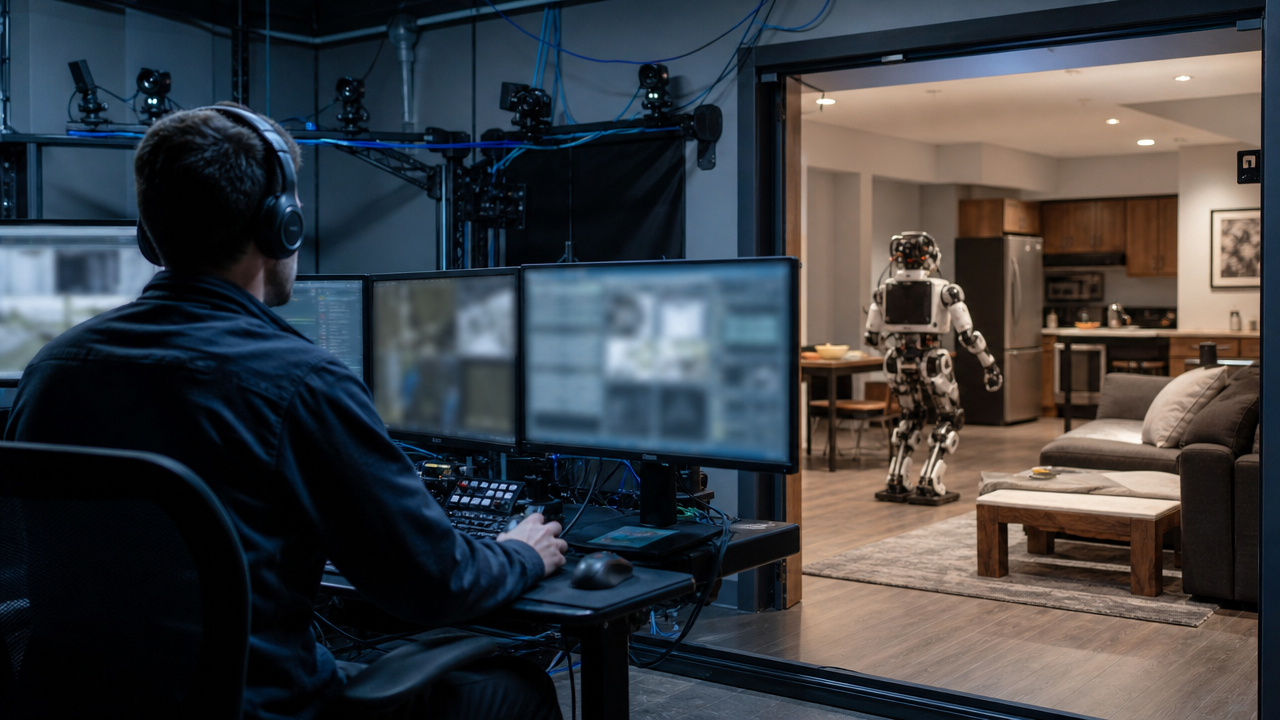
Still, Agibot's push deserves attention because it sits at the intersection of China's AI ambitions and its manufacturing base. If physical AI becomes a scale market, the winners may be companies that can make robots dependable before they make them magical.
The humanoid race will produce plenty of theater. The harder test is whether China can make embodied AI boring enough to deploy at scale.
Topics: Agibot, humanoid robots, China robotics, physical AI