Robotics
Japan's Robotics Push Turns Physical AI Into A Manufacturing-Platform Contest
Japan's latest work with Nvidia shows the physical-AI race is broadening beyond humanoid demonstrations toward the industrial tooling, simulation, components and factory data needed to deploy robots at scale.
By Michael G ·
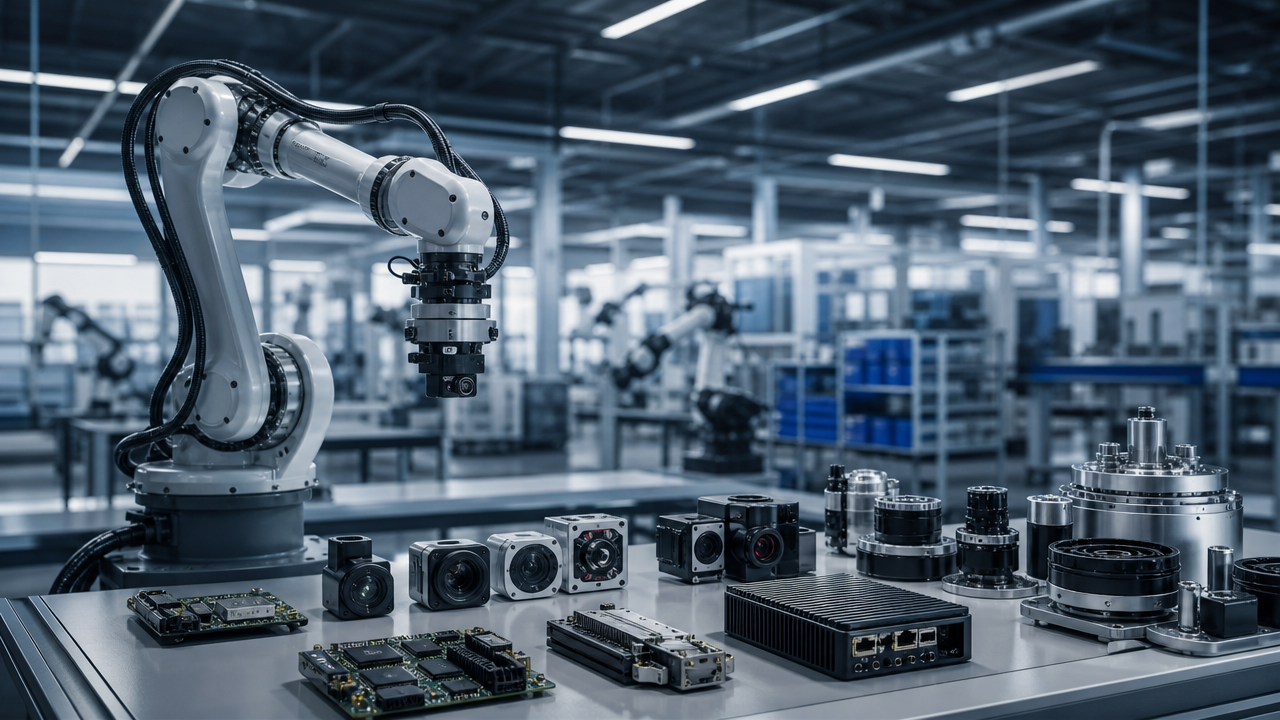
Japan's renewed physical-AI push with Nvidia is a reminder that the most important robotics race may not be over who can build the most lifelike humanoid. It may be over who can connect simulation, components, factory data and deployment discipline into a system that works outside a demonstration hall.
Japan begins with advantages that many software-first AI companies do not have: a deep industrial base, experienced robotics manufacturers, sophisticated suppliers and decades of practical knowledge about what fails on a factory floor. The challenge is to turn that experience into faster learning loops, where robots can be trained, evaluated and updated without shutting down the line they are meant to improve.
That is where the physical-AI language matters. A modern robot needs a model of the world, but it also needs good sensors, reliable actuators, safety envelopes and a way to handle variation in parts, lighting, materials and human behavior. Intelligence is only one layer of the machine.
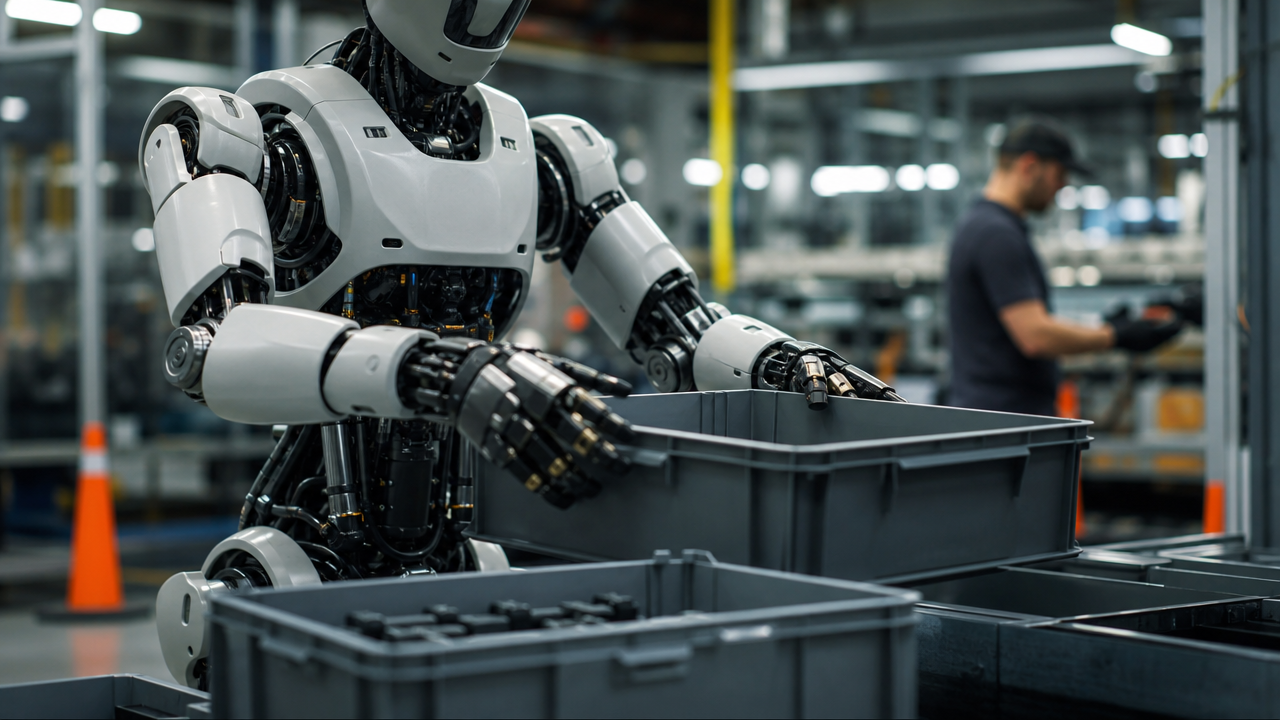
Nvidia's role is to make the training and simulation stack more coherent, from accelerated computing to digital twins and robot software. The commercial appeal is obvious: manufacturers can test a new workflow virtually before committing equipment, labor and production time to the physical version.
But simulation is useful only when it remains connected to reality. A virtual warehouse that ignores slippery surfaces, imperfect cameras, cable wear, unusual parts or the improvisations of experienced workers can create a false sense of readiness. Japanese manufacturers are well placed to make that constraint a competitive advantage because they understand the cost of a robot that performs beautifully until a real shift begins.
The most promising early applications are likely to be narrow and measurable: handling, inspection, picking, assembly assistance and maintenance. Those jobs do not require a robot to understand every human environment. They require it to do a defined task safely, repeatedly and with enough uptime to justify its service contract.
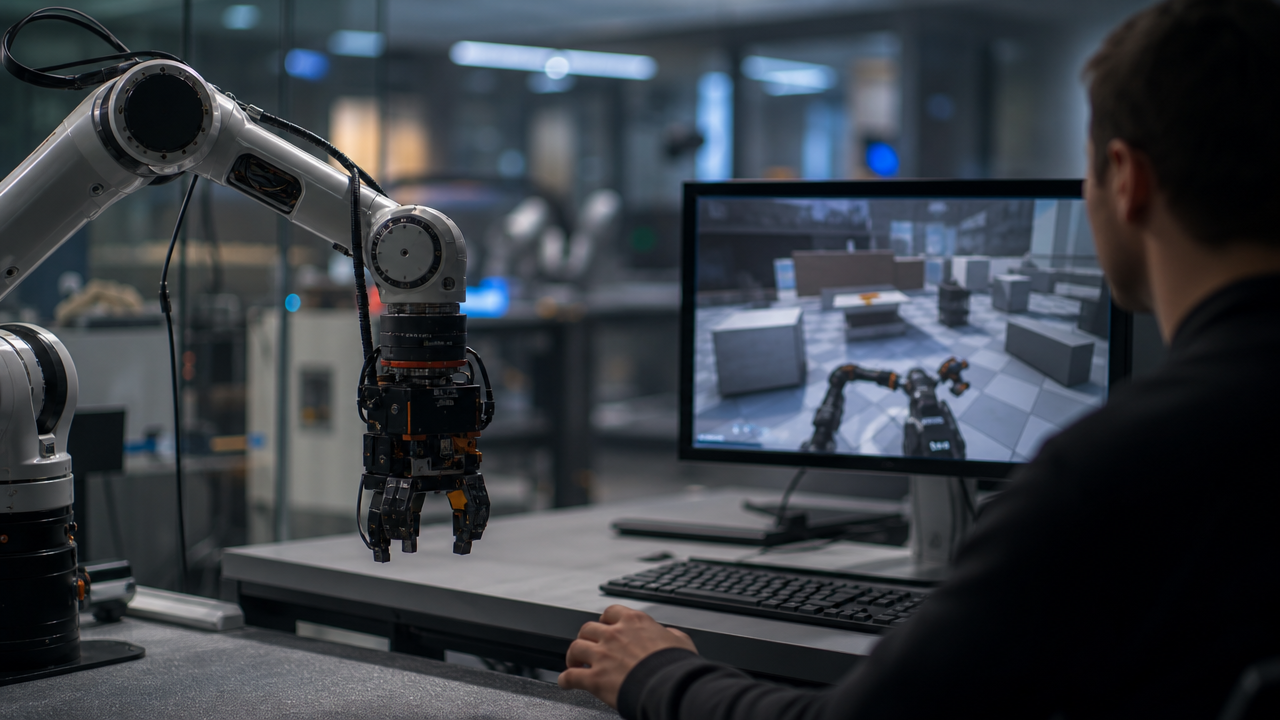
For investors, this makes physical AI less of a single-company bet and more of an ecosystem story. The value may be distributed among robot makers, component suppliers, simulation platforms, systems integrators, industrial software providers and the manufacturers that can absorb automation without breaking their operations.
Japan's opportunity is not to imitate a Silicon Valley robotics narrative. It is to make physical AI dependable enough that factories buy it for output, not for spectacle.
Topics: Japan, Nvidia, physical AI, robotics