Robotics
Perceptron Releases Open-Weight Isaac 0.5 Vision Model For Industrial Robots
Perceptron, a robotics AI startup founded by former Meta researchers, has released Isaac 0.5, an open-weight vision model meant to help industrial robots navigate warehouses and factories. The company has not disclosed independent performance data, training data sources, or details on latency, safety behavior and integration cost.
By Michael G ·
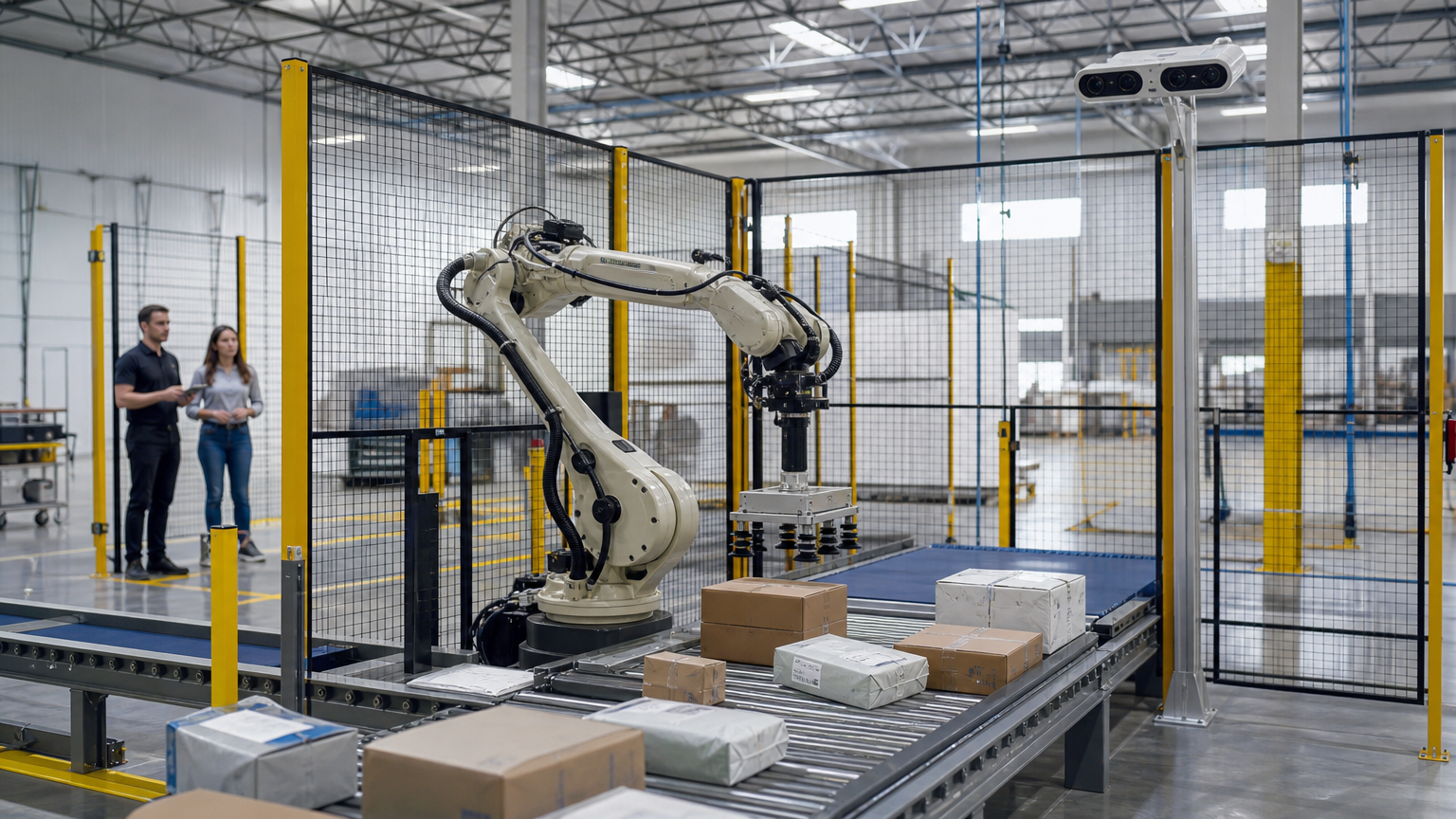
Perceptron, a robotics AI startup founded in November 2024, has released Isaac 0.5, an open-weight vision model intended to help industrial robots interpret their surroundings inside factories and warehouses. According to a TechCrunch report, the company is positioning the model as a foundation for vision-guided navigation and for extracting structured information from robot video, rather than as a finished product tuned to any single task or facility. The release makes the model's weights available for outside inspection and modification, a departure from the closed systems many industrial robotics vendors favor, though Perceptron has not published a technical paper detailing independently measured benchmark results alongside the release.
Perceptron was founded by Armen Aghajanyan and Akshat Shrivastava, both formerly researchers at Meta AI research, where they worked on large-scale multimodal systems before leaving to start the company. Their background in perception and multimodal learning has drawn early attention from investors and robotics engineers watching for approaches that might generalize across different warehouse and factory layouts rather than requiring retraining for each new site. The company has said relatively little publicly about its internal team size, customer base or product roadmap beyond describing Isaac 0.5 as an early building block meant to be adapted by outside engineers rather than deployed as a turnkey system. TechCrunch report provides the primary public record for that part of the account.
Perceptron says Isaac 0.5 is meant to help vision-guided robots navigate warehouses and factories and to pull usable information out of raw robot video, such as identifying objects, obstacles or workflow steps as a robot moves through a facility. That framing places the release inside the broader push across industrial robotics to reduce the amount of custom engineering needed before a robot can operate reliably in an unfamiliar physical space. Whether Isaac 0.5 actually achieves that in day to day operation, rather than in curated demonstration footage, is a separate question the company has not yet answered with independent, third party data.
Training data and validation remain unclear
Perceptron says Isaac 0.5 was trained on roughly one million hours of general video combined with egocentric footage and video captured using UMI, a data collection method that records first person manipulation tasks from a human operator's point of view. The company has not disclosed where that video originated, what proportion was licensed versus collected from other sources, or how the footage was filtered for quality, duplication or safety before training. For a model intended to guide physical machinery around people, inventory and equipment, the absence of dataset provenance is a meaningful gap, since biases or gaps in training footage can translate directly into blind spots in how a robot interprets an unfamiliar aisle, lighting condition or piece of equipment on a factory line.
Perceptron's own materials describe capabilities rather than independently measured outcomes, and the company has not published task success rates, failure recovery statistics or head to head comparisons against existing industrial vision systems. Standards bodies such as NIST robotics research have long argued that robotic perception claims need to be tested against standardized physical benchmarks rather than demonstration videos alone, precisely because lighting changes, clutter, reflective surfaces and moving workers can degrade a vision model's performance in ways a controlled demo will not reveal. Until Isaac 0.5 is evaluated on a shared benchmark or deployed at meaningful scale by a named customer, claims about its navigation or information extraction abilities are best read as vendor description rather than confirmed performance. The operating constraint is also visible in material published by Meta AI research.
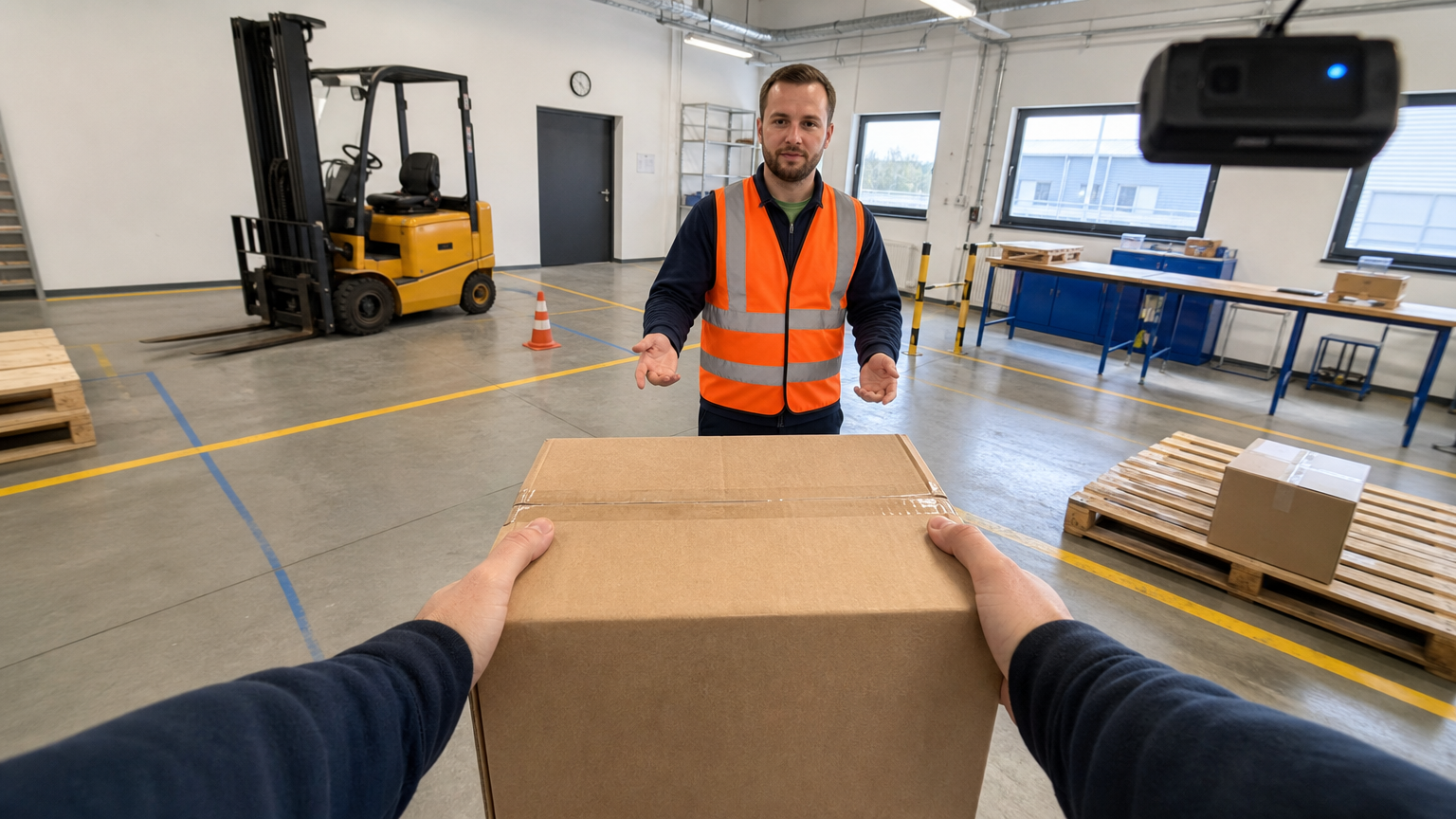
Deploying a vision model on a moving industrial robot also raises questions the company has not addressed in detail, including how much onboard compute Isaac 0.5 requires and what latency it introduces between a camera frame and a motion decision. Open-weight status lets outside engineers inspect the model's architecture, but it does not by itself answer how the model performs once run on the embedded GPUs or edge accelerators typically fitted to mobile warehouse robots rather than on cloud servers used during development and testing. A model that runs well on a workstation during evaluation can behave differently once compressed or quantized to fit onboard hardware with tighter power, memory and thermal limits, and Perceptron has not published figures describing that transition.
Safety and failure recovery are similarly unaddressed in the public materials released so far. Industrial robots operating near people typically need documented behavior for cases where a vision system loses confidence, such as slowing down, stopping motion or requesting human intervention, and integrators will want to know how Isaac 0.5 handles those situations before connecting it to motion control on a live production line. Integration cost is another open variable, since adapting an open-weight vision model to a specific robot chassis, camera rig and facility layout typically requires additional engineering, testing and calibration that go well beyond simply downloading the released weights. For institutional context, Bessemer Venture Partners explains the relevant system or standard.
Funding backdrop and competitive setting
Perceptron has previously raised sixteen million dollars and is reportedly in the process of closing another funding round, though the company has not disclosed the amount or the investors involved in that round. Venture capital interest in industrial robotics has grown over the past several years, with investment firms such as Bessemer Venture Partners publishing research tracking automation and robotics as an investment category, reflecting broader investor appetite for companies attempting to apply large-scale AI models to physical work rather than software alone. That backdrop helps explain why a company as young as Perceptron has attracted attention, though it does not substitute for evidence about how Isaac 0.5 performs outside controlled settings.
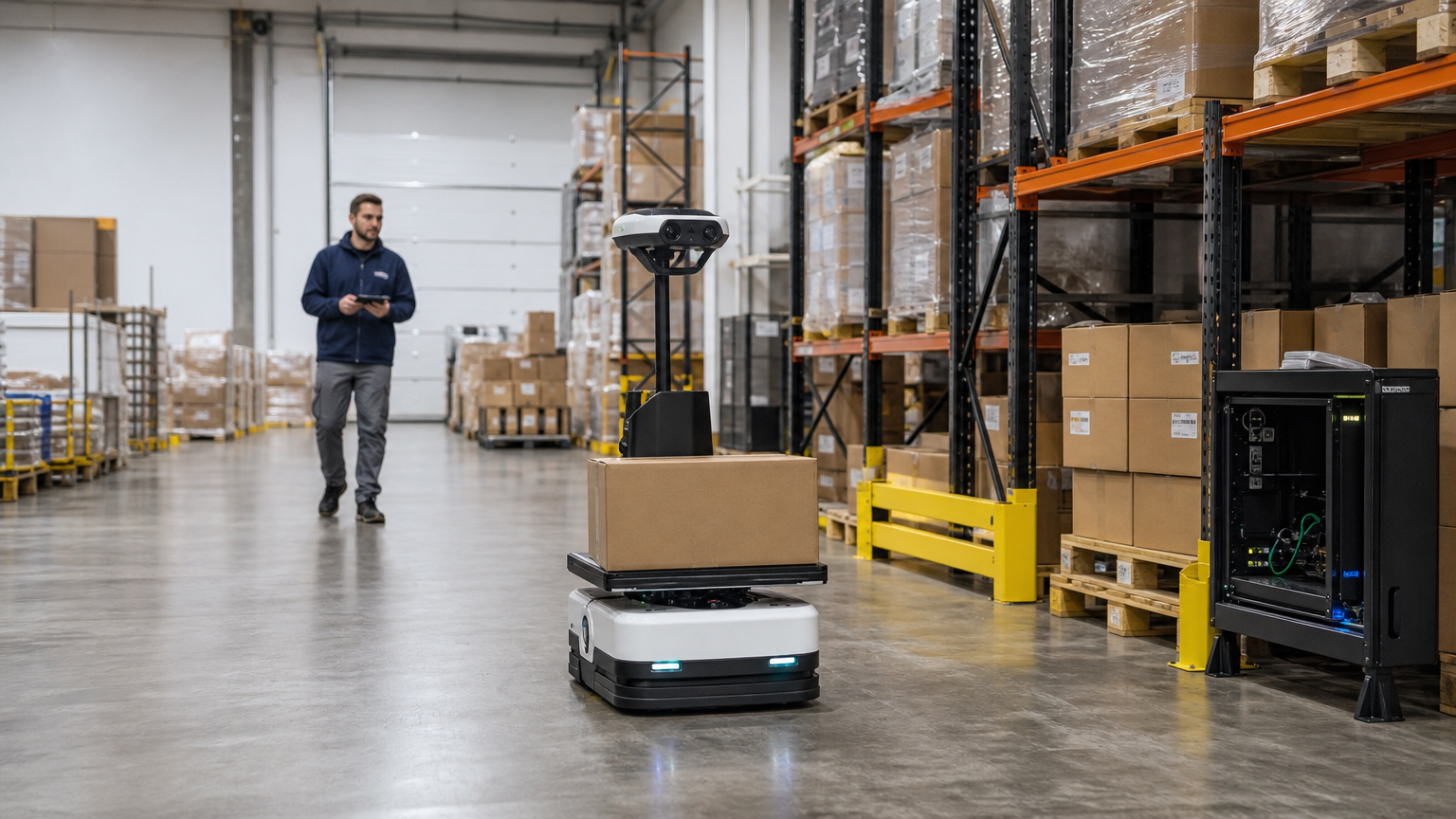
Isaac 0.5 enters a field that already includes vision and foundation model efforts aimed at manipulation and navigation from established robotics vendors and other well-funded startups, several of which have published their own open or partially open models for similar industrial use cases. Perceptron's decision to release weights openly, rather than keeping the model closed, may appeal to robotics integrators who want to inspect or fine-tune a model for their own equipment and facilities. Openness alone, however, does not resolve the underlying uncertainty about how the model was trained, what data it saw, or how it performs once moved from a demonstration environment into a working warehouse or factory.
Perceptron has not said when or whether it plans to release benchmark data, a technical report, or case studies describing results from paying customers using Isaac 0.5 in production. For now, engineers evaluating the model for warehouse or factory use are working largely from the company's own description of training data volume and intended use cases, with independent verification of navigation accuracy, latency, failure recovery and safety behavior still to come. The unresolved issue can be assessed against guidance from NIST robotics research.
Topics: robotics, Perceptron, Isaac 0.5, industrial robotics, open-weight AI, vision models, warehouse automation