Robotics
Embodied AI Safety Is Becoming A Systems Engineering Problem
A new SAE World Congress paper frames embodied AI as a deployment challenge, not just a model challenge. As robots, autonomous vehicles, and industrial machines gain more autonomy, safety depends on engineering discipline across the full system lifecycle.
By Michael G ·

Embodied AI is moving out of research demos and into machines that perceive, decide, and act in the physical world. A recent paper from the SAE World Congress 2026 panel argues that the field's safety problem must be treated as systems engineering, not simply model alignment.
That framing is useful because physical AI failures are different from software failures. A bad answer can mislead a user. A bad action from a robot arm, warehouse vehicle, drone, or autonomous car can damage property or injure people. The safety case therefore has to include sensors, actuators, control loops, human behavior, operating environments, maintenance, and fallback states.
The Model Is Only One Component
The paper, Embodied AI in Action, highlights a basic but often ignored reality: autonomy is deployed inside socio-technical systems. A vision-language-action model may be impressive, but the real product includes the hardware, the human supervisor, the training data, the operating procedure, the certification pathway, and the incident response plan.
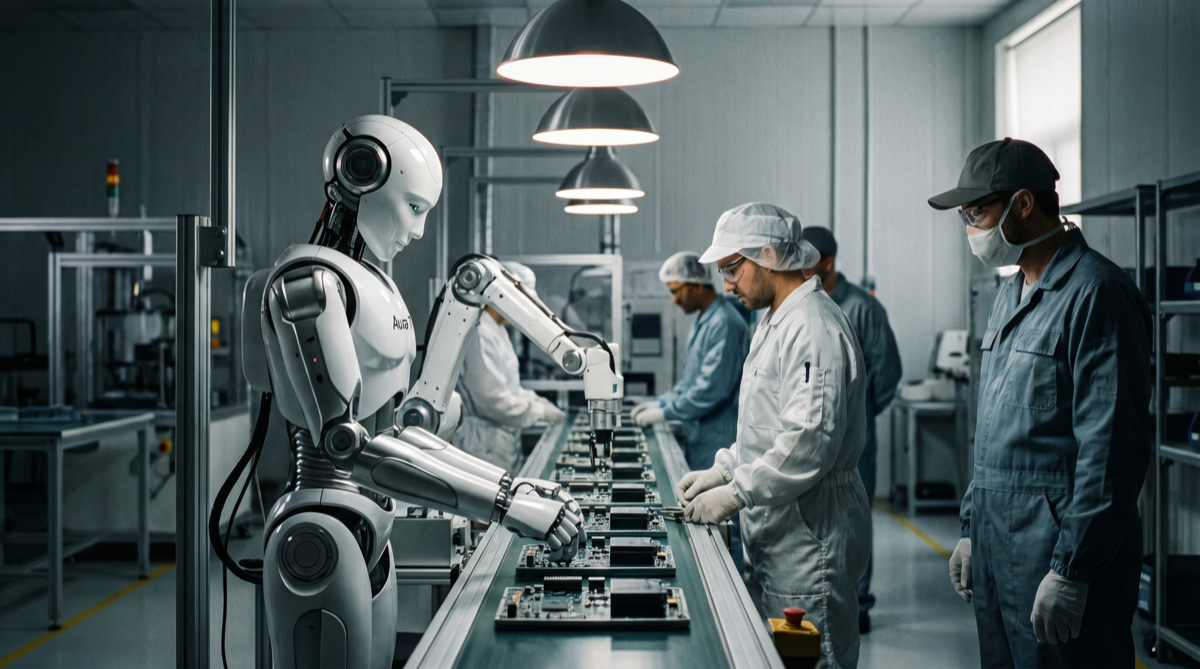
This is why benchmark culture can mislead robotics buyers. A model that performs well in a controlled test may still fail when lighting changes, humans behave unpredictably, floor conditions vary, or a component degrades. Embodied AI needs lifecycle governance because the environment keeps changing after deployment.
Trust Must Be Engineered
Trust in embodied AI will not come from slogans about human-centered design. It will come from repeatable evidence: hazard analysis, operational design domains, monitoring, fail-safe behavior, clear handoff rules, and standards that buyers and regulators can understand.
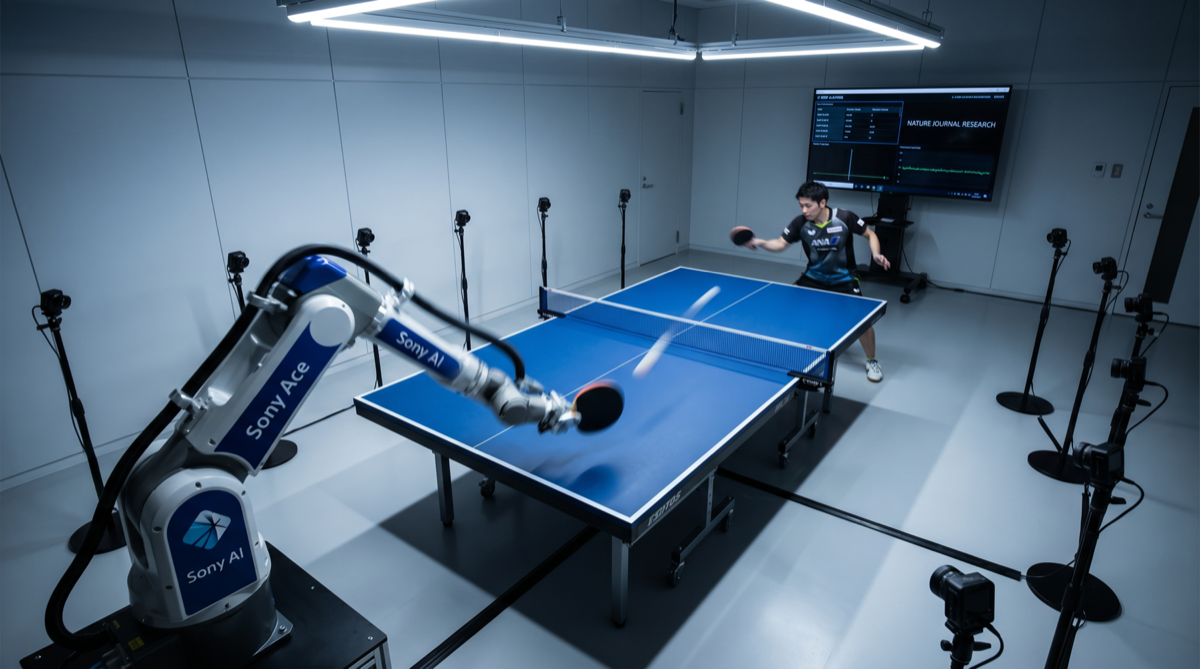
Automotive history is instructive here. Safety matured through engineering process, standards, testing, recalls, insurance pressure, and regulation. Embodied AI will likely follow a similar path, but faster and messier because learning systems change behavior through data, updates, and context.
The Deployment Race Gets More Serious
That difference will become more visible as robots leave labs. The hard question is no longer whether AI can move through the world. It is whether companies can prove their machines should be trusted to share that world with people.
Topics: embodied AI, robotics, safety, autonomous systems