Robotics
Robotics Foundation Models Need Benchmarks That Measure The Physical World
Robotics foundation models are moving from impressive demos toward harder evaluation. The next question is whether embodied AI can be measured across safety, reliability, task transfer, and recovery from messy real-world failures.
By Michael G ·
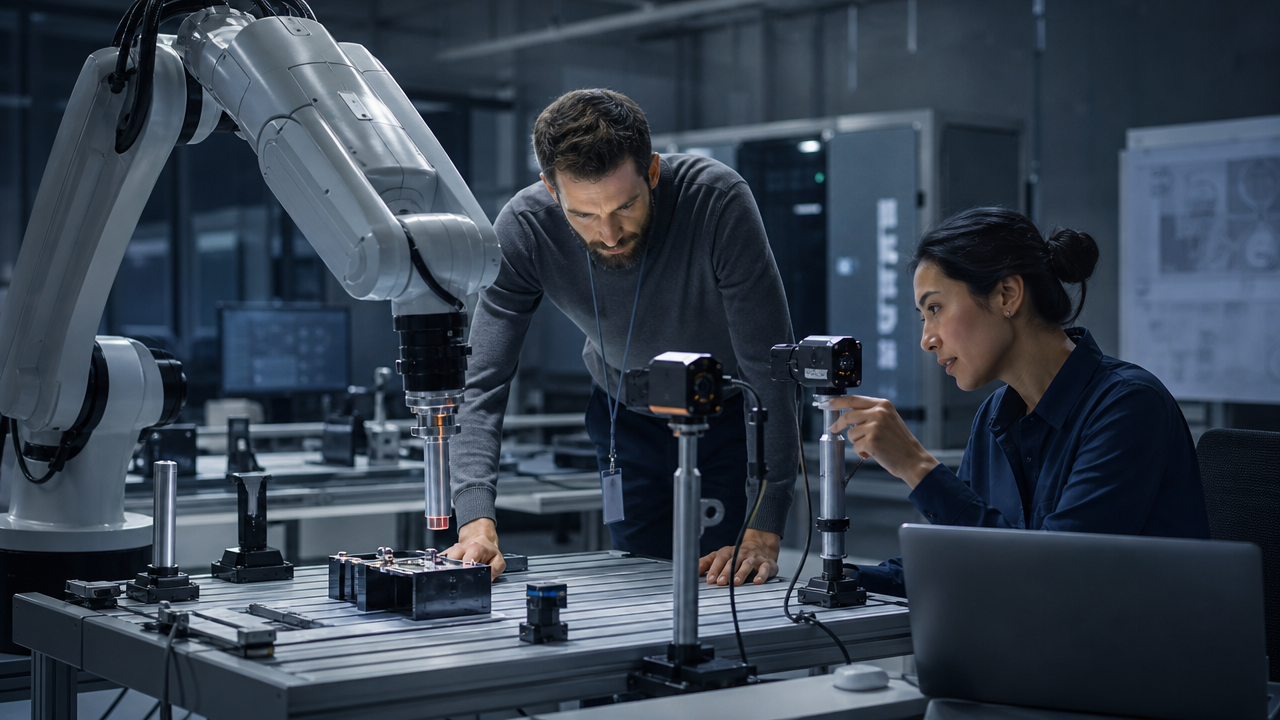
Robotics foundation models are entering the phase where demos are no longer enough. A robot that folds one towel, opens one drawer, or completes one lab task on video may be impressive, but the commercial question is whether the system can transfer, recover, and operate safely when the world changes.
That makes evaluation the center of the field. Embodied AI has to reason about perception, motion, contact, timing, tools, and human presence. Each layer introduces failure modes that do not appear in text benchmarks.
The Physical World Punishes Shortcuts
Language models can often recover from a bad sentence. Robots can break objects, block pathways, injure people, or damage themselves. A benchmark for embodied AI therefore has to measure not only completion, but safe failure, uncertainty, intervention frequency, and recovery behavior.
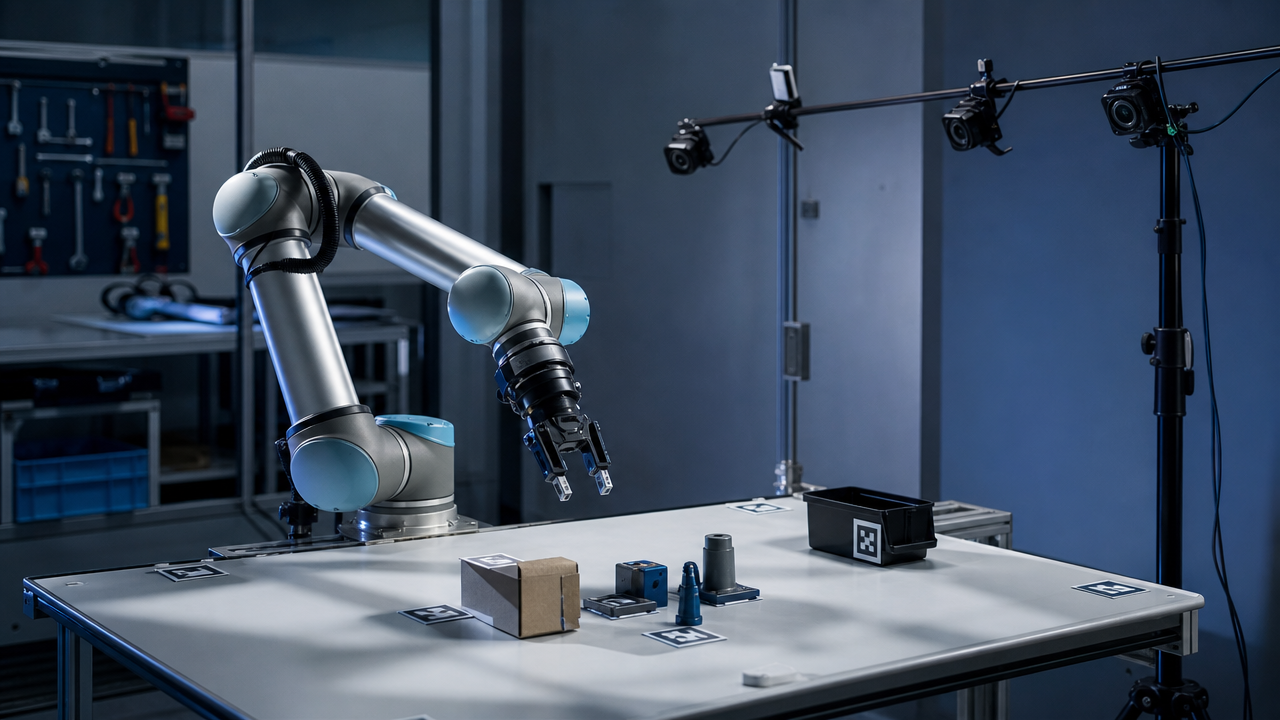
The industry also needs benchmarks that resist overfitting. If every lab tests on the same tabletop tasks, progress will look cleaner than deployment. Real homes, factories, hospitals, and warehouses contain clutter, lighting variation, human interruptions, and edge cases that are hard to simulate.
Transfer Is The Real Prize
The promise of foundation models in robotics is transfer: learning from many tasks, embodiments, sensors, and environments so a system can adapt to a new situation without bespoke programming. That is also the hardest thing to prove. A useful benchmark should show when a model generalizes and when it merely memorizes a demonstration distribution.
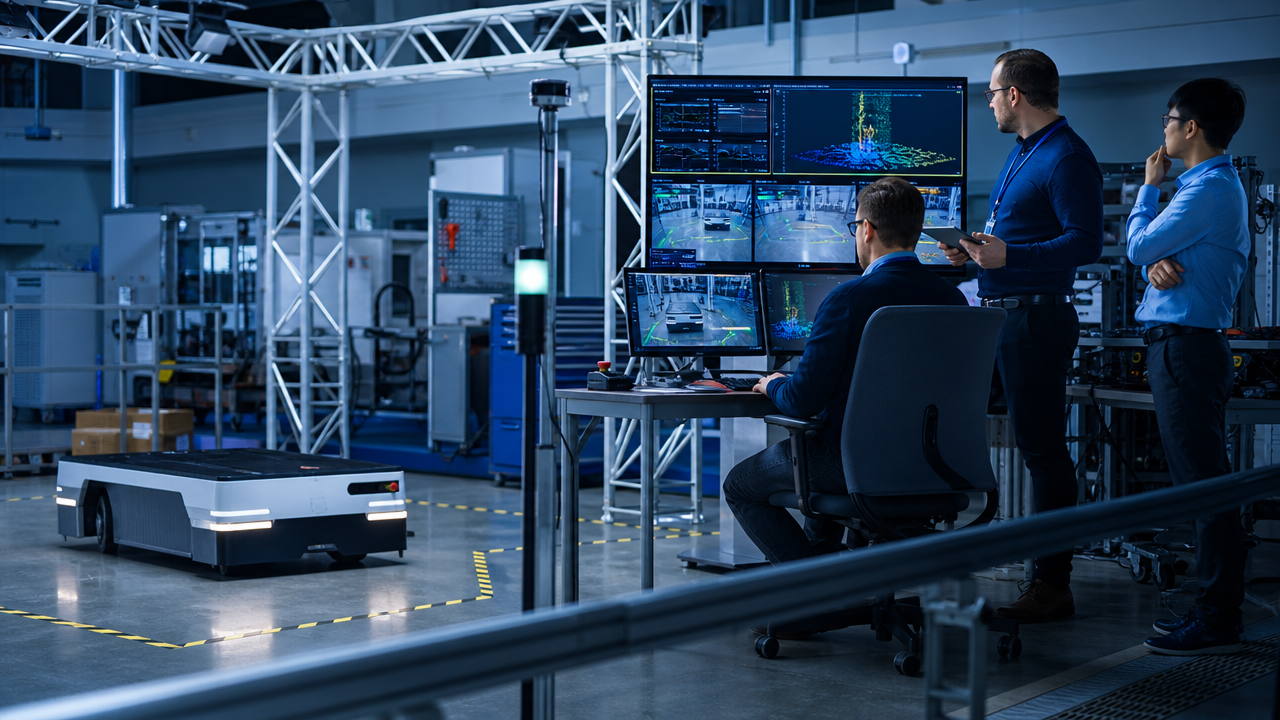
This is where safety and economics meet. A robot that needs constant human rescue may still be a research success, but it is not a scalable product. Commercial robotics requires predictable uptime, clear limits, and a support model that does not erase the labor savings.
Topics: robotics, foundation models, embodied AI, evaluation