Robotics
Home Humanoid Robots Are Moving The Robotics Race Into The Living Room
UBTech's latest home-focused humanoid shows why consumer robotics is becoming a different contest from factory automation. The hard problems now include safety, privacy, teleoperation, and whether people actually want a robot sharing domestic space.
By Michael G ·
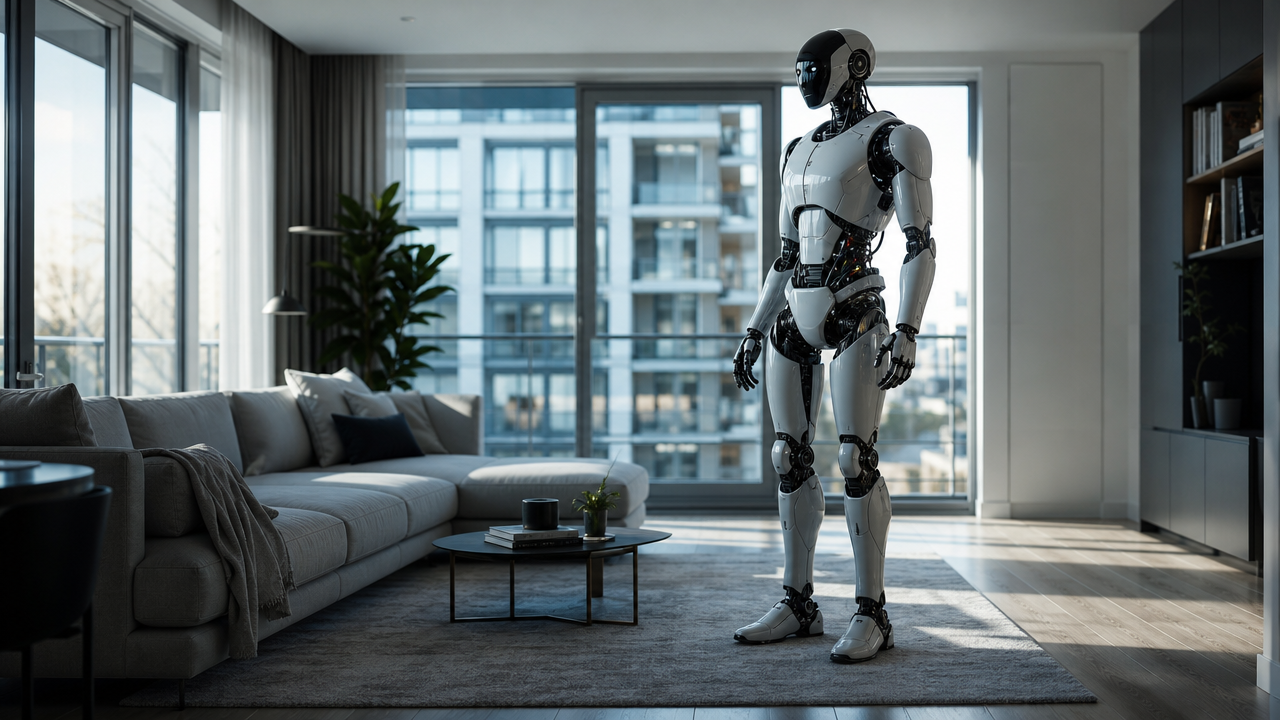
The newest wave of home humanoid robots is trying to move physical AI out of controlled labs and into the most chaotic deployment environment of all: the living room. UBTech's reported push toward a conversational, expressive home humanoid is important because it reframes robotics as a consumer trust problem, not just a motion-control problem.
A factory robot can be fenced, scripted, monitored, and maintained by trained staff. A home robot has to operate around pets, children, stairs, cables, glassware, visitors, furniture, bad lighting, and unpredictable human behavior. That difference changes the product category completely.
Domestic Robotics Is A Trust Market
The consumer pitch for humanoids is emotionally powerful. A robot that can talk naturally, recognize gestures, carry objects, and help with daily routines feels closer to the science-fiction promise of AI than another chatbot window. But the same intimacy raises sharper questions about privacy, surveillance, consent, and physical safety.
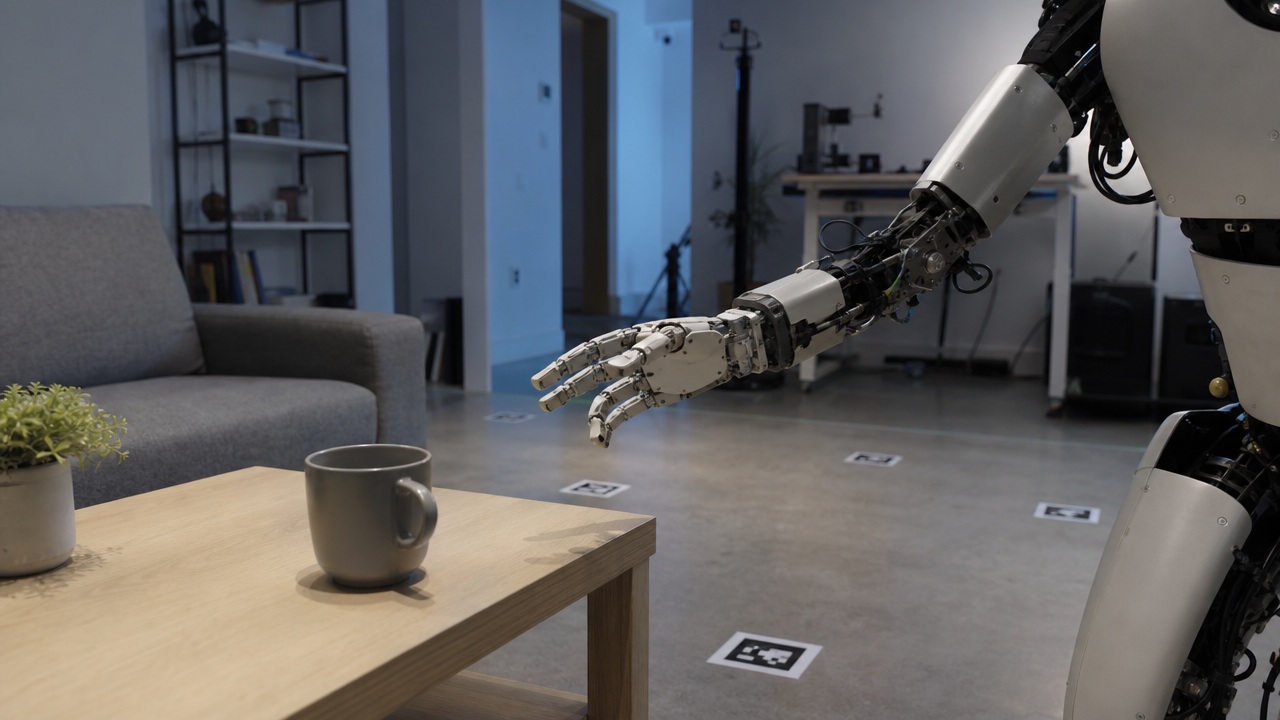
That is why the design problem is not only whether a robot can perform a task. It is whether the robot can refuse risky tasks, explain uncertainty, stop gracefully, ask for help, and behave predictably in a shared human environment. Domestic trust will be earned through limits as much as capability.
Teleoperation Is The Awkward Bridge
The home robotics industry is also relying on a bridge that many consumers may find uncomfortable: teleoperation. Remote human assistance can help robots complete tasks while gathering training data, but it turns the home into a workplace for unseen operators unless privacy boundaries are extremely clear.
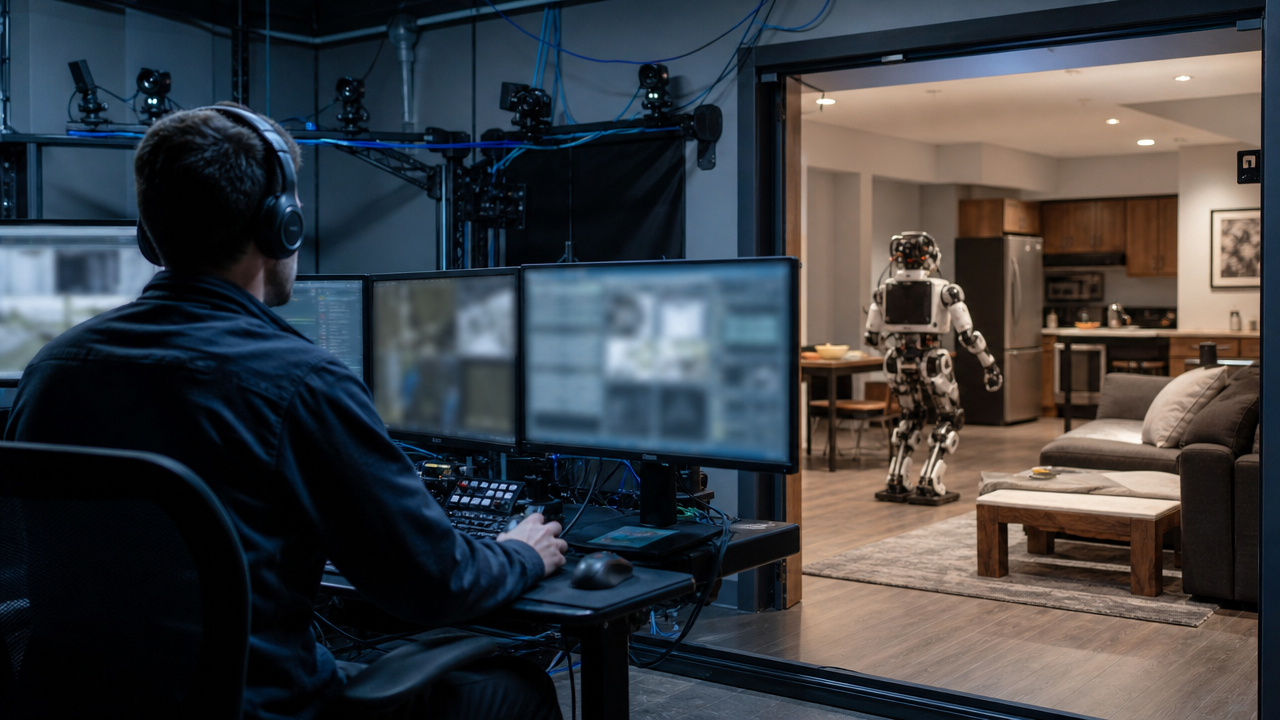
The commercial route may therefore start with constrained services rather than open-ended home companionship. A robot that can safely handle a short list of scheduled tasks, under explicit user control, may be more viable than a general servant expected to improvise across the whole home.
Topics: humanoid robots, UBTech, home robotics, physical AI