Robotics
LG Builds A Robotics Center Around The Hard Part Of Physical AI: Data
LG Electronics has created a Robotics Business Center to consolidate its robot efforts and build data-factory capability, putting the company’s next test in the training, integration and operating discipline behind a robot fleet.
By Michael G ·
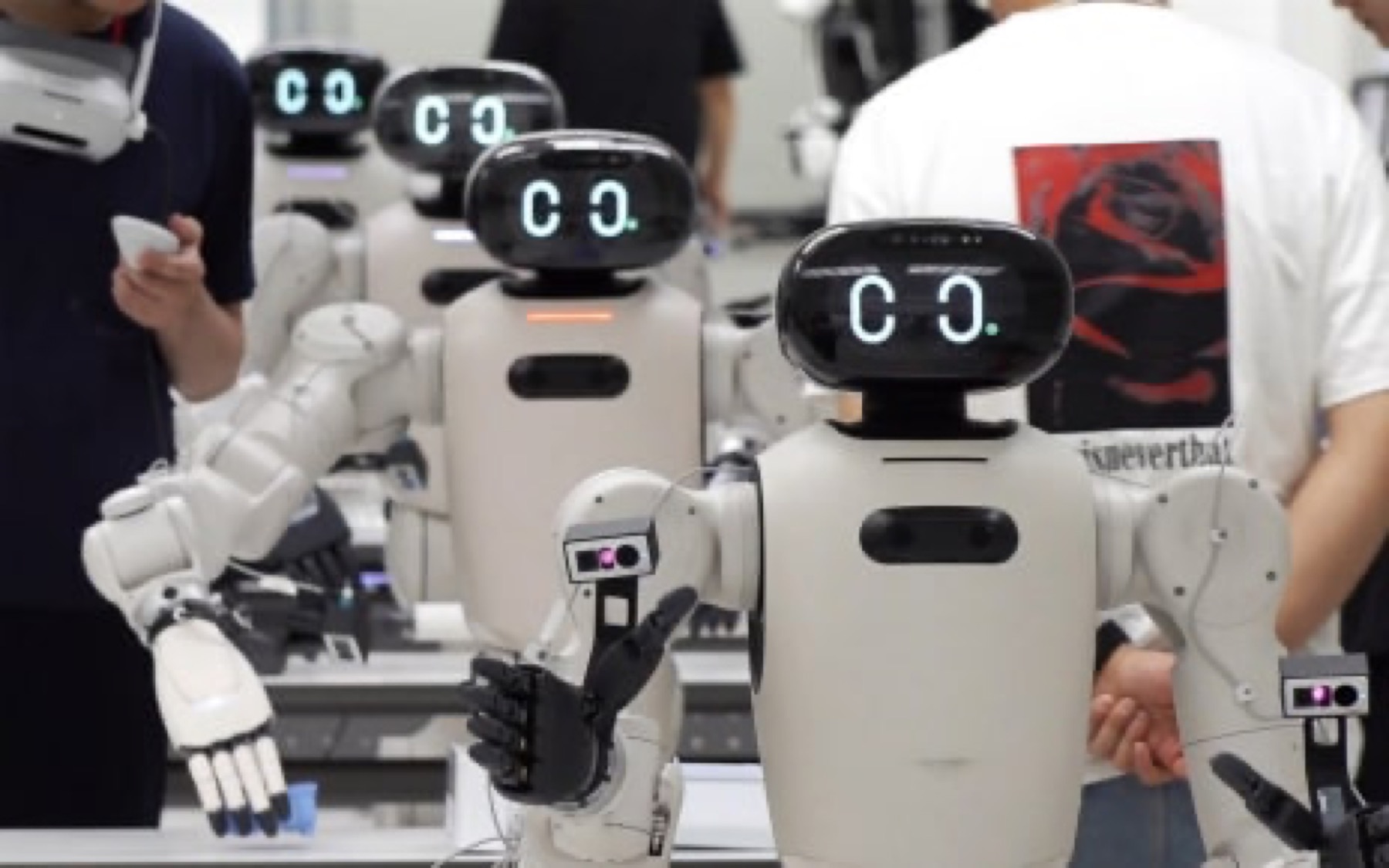
LG Electronics has created a Robotics Business Center as part of an organizational realignment that took effect on July 1, bringing its robotics work under a unit intended to accelerate the business and strengthen what it calls data-factory capability. The announcement is a useful correction to the usual humanoid-robot story. The difficult part is not persuading a machine to perform one polished task. It is collecting, cleaning, simulating and validating enough information that the machine can keep doing useful work in a changing environment.
LG says the center will oversee its robotics business and support robot training, with the company calling 2026 the first year of a broader robotics expansion. Its CLOiD robots have already appeared in commercial settings, including hospitality and service environments. The new structure does not prove those products are ready for every workplace. It does show that LG sees robotics as a business that needs dedicated operating ownership rather than a side project distributed across appliance, software and research teams.
The phrase data factory deserves more attention than the corporate reorganization itself. AI robots need examples of rooms, objects, people, surfaces, failures and recovery actions. They need those examples in forms that can be used for training and evaluation. A robot serving a hotel corridor, carrying supplies in an office or navigating a retail floor faces problems that do not appear in a clean demonstration: a door partly open, a cart blocking a route, a reflective surface confusing a sensor, or a customer who suddenly changes direction.
A data factory is an attempt to make that learning process repeatable. It can combine records from deployed robots, carefully labeled observations, simulations and targeted tests. The value is not simply having more footage. It is knowing which cases caused a system to hesitate, fail or require human help, then feeding those cases back into the next version. That is the difference between a fleet that accumulates operational knowledge and a sequence of expensive pilots that start from scratch.
LG’s consumer-electronics background gives it an interesting starting point. The company understands hardware manufacturing, product support and the demands of shipping machines that must be maintained over years. Robotics adds a harder software layer. A robot is not a television or a washing machine with an AI feature. It has to sense the physical world, move through it safely and recover when the world does not match its assumptions.
That is why the early commercial use cases matter. Service robots can operate in defined spaces with repeatable routes and clear human handoffs. The task may look modest, but it produces the kind of real-world data that a general robotics organization needs. A machine that can reliably deliver linens, guide a visitor or carry supplies has to handle navigation, battery management, scheduling, access controls and a customer-facing failure mode. Those constraints expose whether the surrounding system is ready.
The market is moving in this direction. Robot makers increasingly talk about physical AI, but the companies with a credible path to scale are usually investing in simulation, fleet management, remote support and evaluation as much as they are investing in the robot body. The hardware attracts attention. The operating stack decides whether an owner can deploy ten machines, then a hundred, without multiplying the number of people needed to supervise them.
LG’s announcement also creates a test for its organizational design. A centralized business center can set product priorities and collect data across divisions, but it has to work with the teams that build components, sell to customers and support deployed machines. If the center becomes a reporting layer, it will slow decisions. If it can connect field evidence to engineering changes, it could give LG an advantage over robotics rivals that are still treating each deployment as a separate showcase.
There are practical limits. More data does not automatically make a robot safer or more capable. Data needs consent, quality controls and a clear relationship to the task the robot will perform. A model trained on a broad collection of indoor scenes may still behave badly in one building with unusual lighting, flooring or traffic. Engineers will need explicit evaluation gates before a new behavior reaches customers, especially where robots operate near people.
LG has set out a serious operating thesis: the next robotics advantage may come from the company that runs the best learning loop, not the company that posts the most impressive video. The Robotics Business Center will be judged by whether that loop turns field data into safer, more dependable work. A service robot does not need to look human to be useful. It needs to perform the same useful task again tomorrow.
Topics: LG, CLOiD, robotics, physical AI, data factory