Robotics
Exotec Deploys Skypod Robots at GXO's Venlo Facility for Guess
Exotec's Skypod system is being deployed at GXO's logistics site in Venlo for Guess, extending high-density warehouse robotics into fashion fulfillment.
By Michael G ·
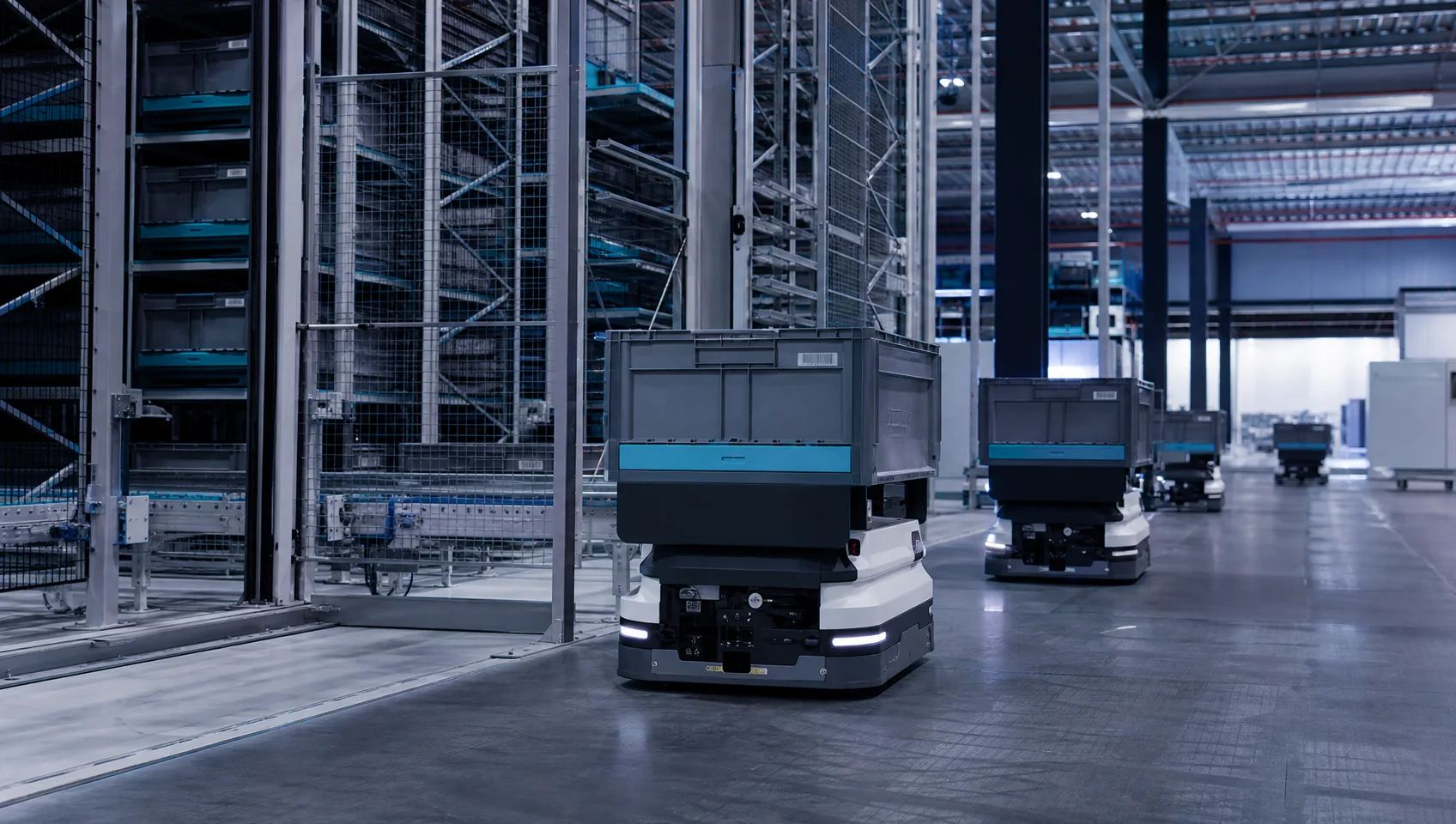
The Exotec Skypod deployment. Exotec's Skypod system is being deployed at GXO's logistics site in Venlo for Guess, extending high-density warehouse robotics into fashion fulfillment. The development emerged in Unite.AI's robotics report, placing a concrete decision, release or disclosure behind a debate that had often been discussed in broader terms.
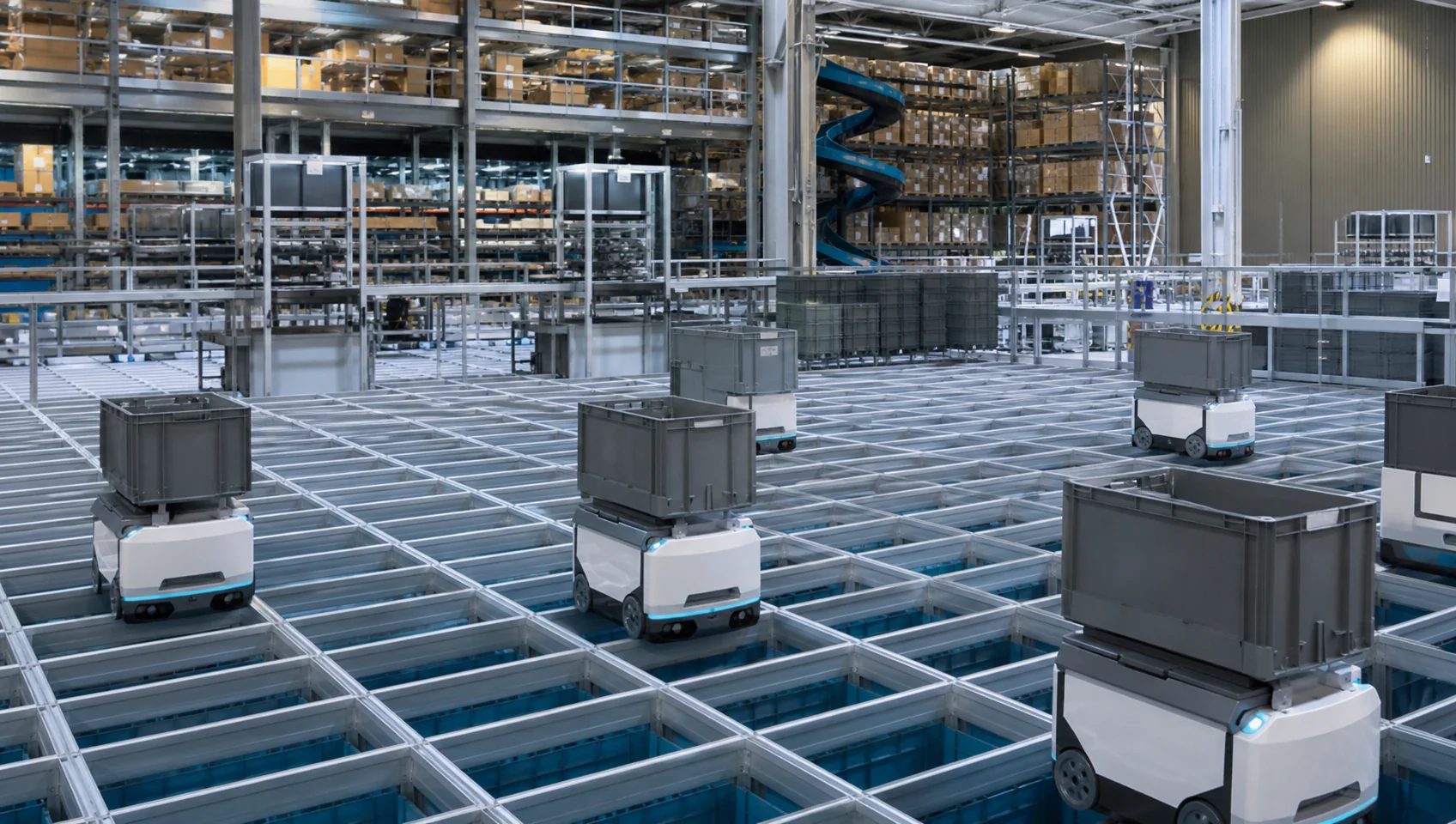
Skypod robots move vertically through storage racks and deliver bins to workstations. The architecture trades fixed conveyors for a fleet that can be expanded as volume changes.
What Changed
Fashion logistics creates variable demand, returns and a wide product mix. The system's value depends on inventory accuracy and software orchestration as much as robot speed.
The immediate consequence is operational. Companies, policymakers and technical teams now have to translate the announcement into budgets, controls and measurable outcomes. That process usually exposes the distance between a product claim and a system that can be trusted under real workloads.
Physical AI has to survive contact with uncertain environments, not only complete a controlled demonstration. Independent stopping systems, force limits, incident logs and a clear handoff to human operators remain essential. ISO's robotics standards and NIST's robotics program provide the engineering context for evaluating those safeguards.
Deployment metrics should include throughput, worker ergonomics, maintenance and recovery during peak periods. Automation that performs well on an average day can still fail the commercial test during seasonal surges.
The Next Test
The next evidence will come from implementation rather than promises. Useful reporting should track who receives access, what safeguards are mandatory, how failures are disclosed and whether customers or the public can independently verify the claimed result.
That distinction matters because AI markets move quickly from announcement to assumption. Once a capability is treated as inevitable, procurement and policy can race ahead of the evidence. A disciplined response keeps the opportunity visible without treating uncertainty as an inconvenience.
The Exotec Skypod deployment will ultimately be judged by what changes outside the launch cycle: the work completed, the risks reduced, the costs absorbed and the people who retain authority when the system is wrong. Those are slower measurements, but they are the ones that determine whether this development lasts.
Topics: Exotec, GXO, warehouse robots, logistics