Robotics
Genesis AI's Eno Suggests The Useful Humanoid Robot May Not Look Human
Genesis AI's Eno robot is being pitched as a practical alternative to human-shaped robots, according to Business Insider. The design points to a sharper robotics question: should general-purpose machines imitate people, or just do the work people need done?
By Michael G ·
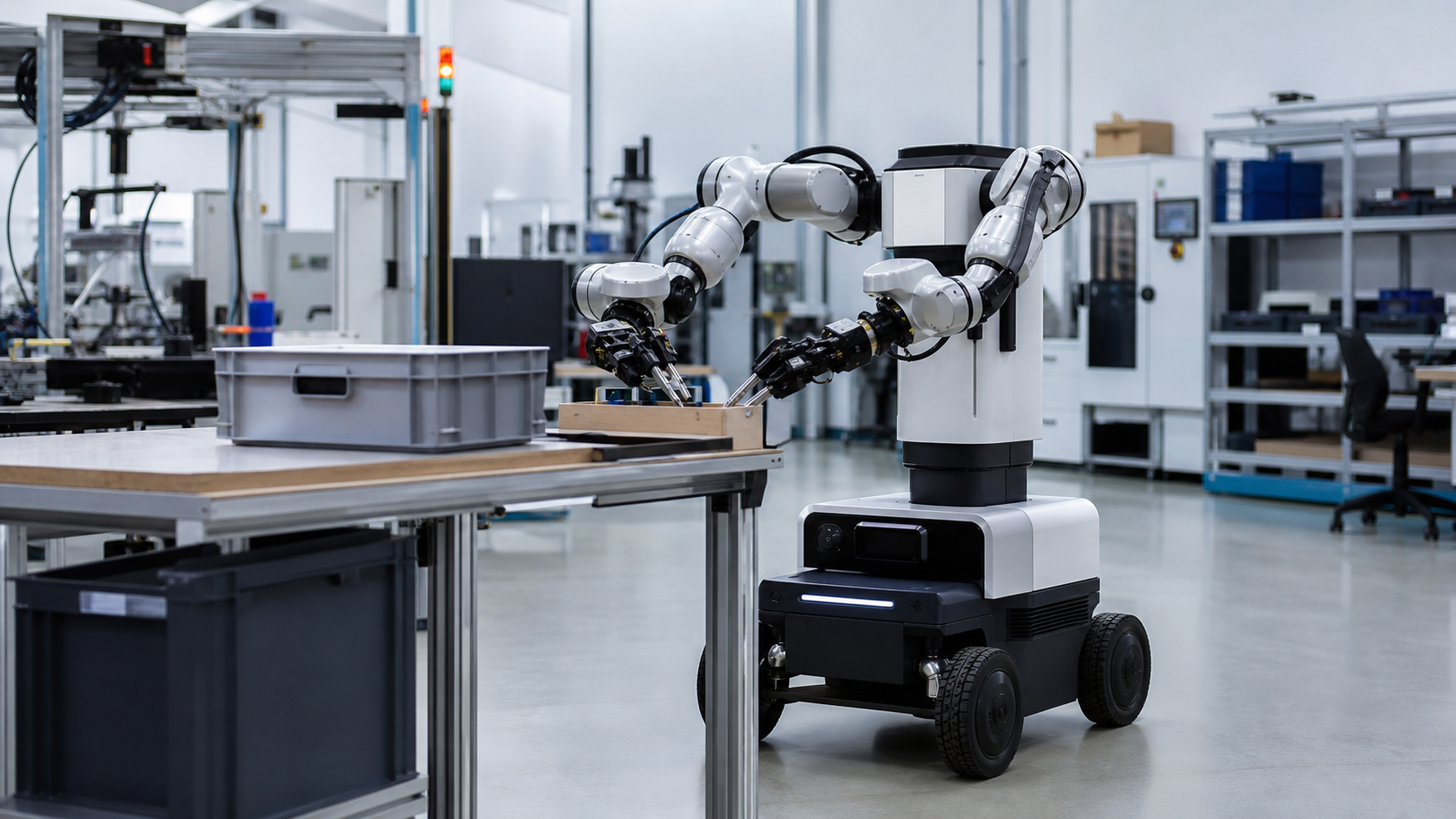
Genesis AI is pitching Eno as a robot that can handle useful tasks without needing to look human, Business Insider reports. That sounds like a design detail, but it is actually a strategic argument: the robotics market may care less about anthropomorphic spectacle than about whether machines can move objects, use tools, and survive real work environments.
The humanoid category has become one of the loudest narratives in AI hardware. Two legs, two arms, a torso, and a head make for excellent demos because the audience instantly understands the aspiration. But factories, warehouses, labs, kitchens, and care settings do not necessarily need a robot to resemble a person. They need a machine to perform a task safely, repeatably, and at an acceptable cost.
Form Should Follow The Job
A non-humanoid form can be an advantage. Wheels may be more stable than legs. A compact body may be safer around people. Specialized grippers may outperform hands for common tasks. Removing a face can also reduce social expectations that a machine cannot yet satisfy.
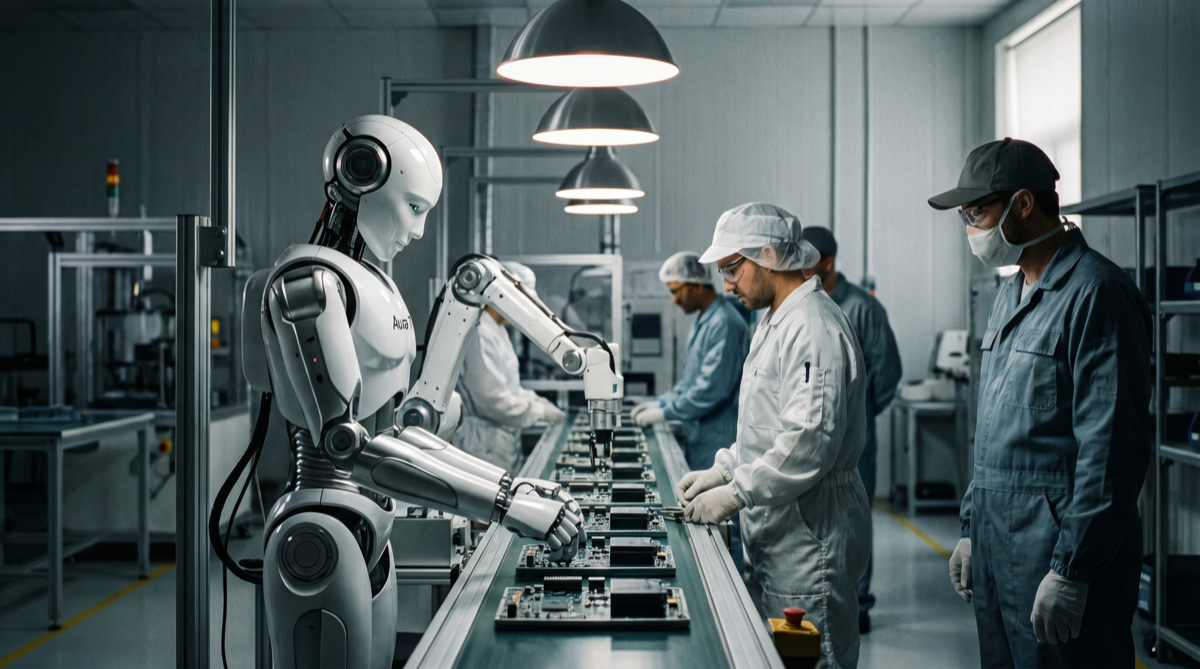
The software layer is what makes the debate more interesting. General-purpose robotics depends on perception, planning, manipulation, imitation learning, and simulation. If the model stack can generalize across tasks, the hardware does not need to mimic human anatomy. It needs enough sensors, actuators, and stability to turn plans into actions.
The Demo Trap
Robotics companies face a familiar AI problem: demos reward magic, while customers reward uptime. A robot that dances, chats, or folds a shirt once can go viral. A robot that reliably restocks shelves for a year becomes infrastructure. Eno's positioning suggests Genesis wants to avoid confusing theatrical human-likeness with deployable value.
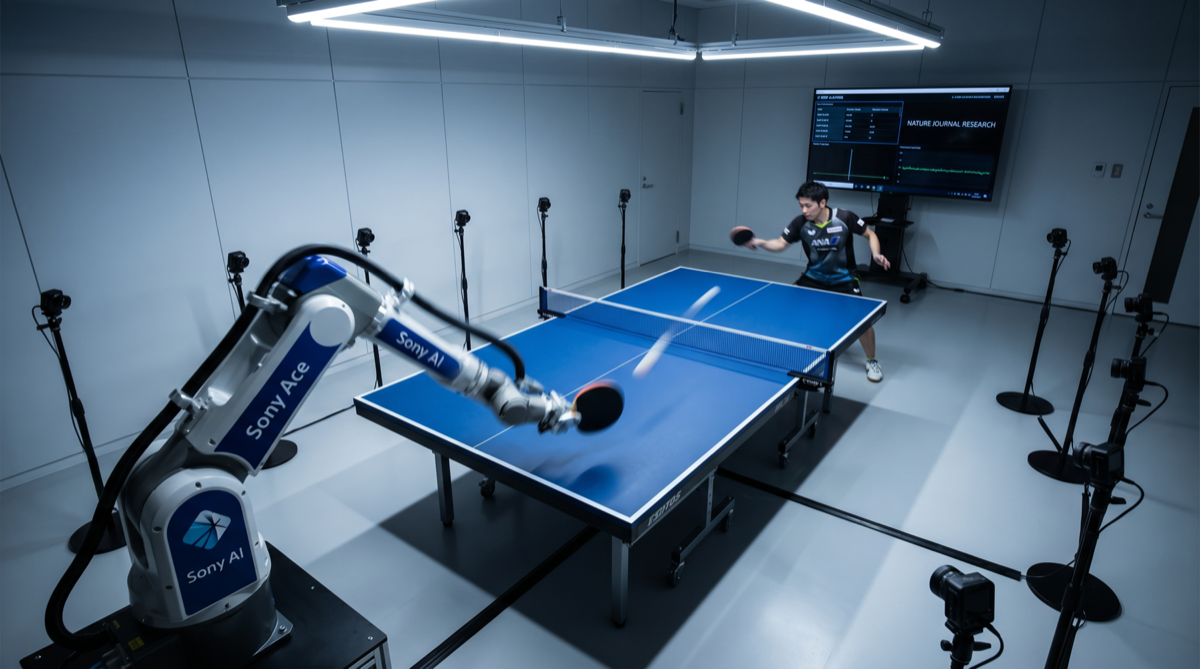
The market will still test whether the robot can do useful work outside controlled demos. Manipulation in messy environments remains difficult, especially when objects vary, lighting changes, and humans interrupt. The best industrial design cannot save a system that cannot recover from edge cases.
Practical Robots Win By Disappearing
Topics: Genesis AI, Eno, robotics, humanoid robots