Robotics
SKF's Robotics Joint Venture Shows Humanoids Are Becoming A Supply-Chain Race
SKF's joint venture with Leaderdrive points to a practical truth behind the humanoid boom: robot joints, bearings, transmissions, and actuators may matter as much as model intelligence.
By Michael G ·
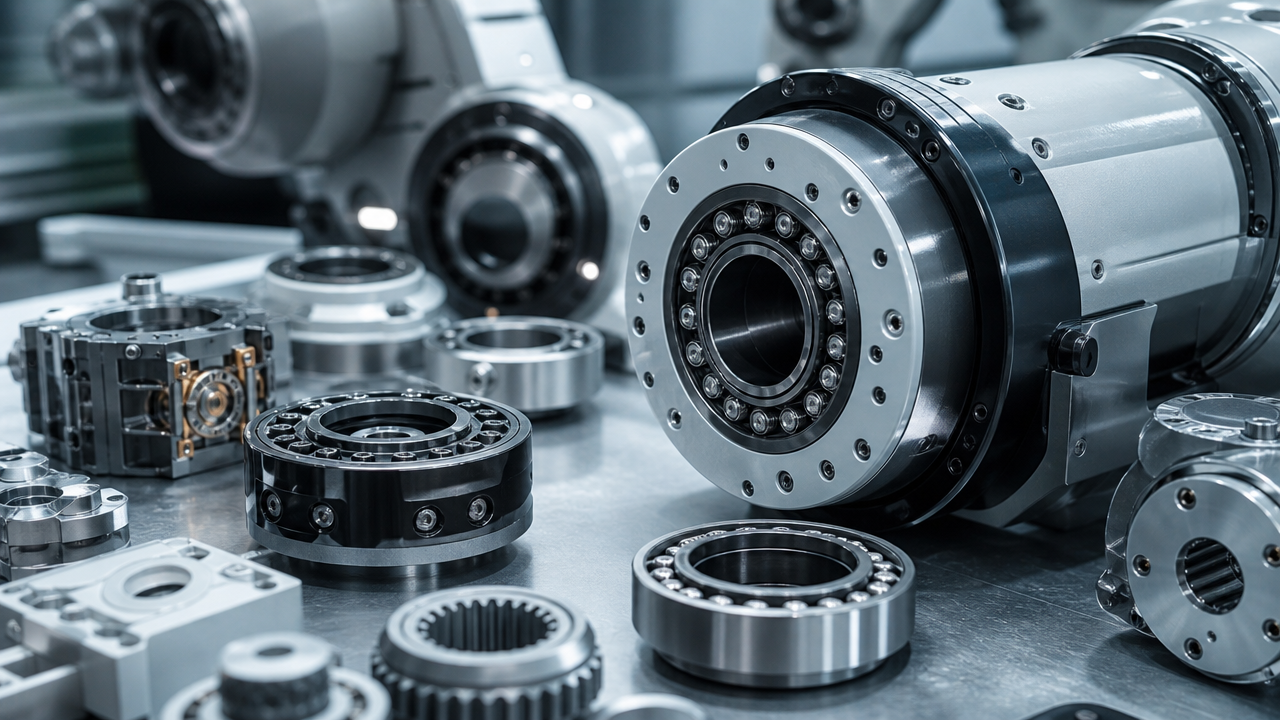
SKF's joint venture with Leaderdrive is a reminder that humanoid robotics is becoming a supply-chain race. The public narrative focuses on robot intelligence, but the commercial bottleneck may sit in bearings, precision transmissions, joints, actuators, sensors, and manufacturing yield.
That makes the deal strategically interesting. Humanoid robots need components that are compact, durable, efficient, safe around people, and cheap enough for scale. A model can plan a movement, but hardware decides whether that movement is reliable.
Joints Are Where The Dream Meets Cost
Robot joints are expensive because they combine mechanical precision with torque, sensing, control, heat management, and safety requirements. If humanoids are ever produced at meaningful volume, the component stack has to industrialize quickly.
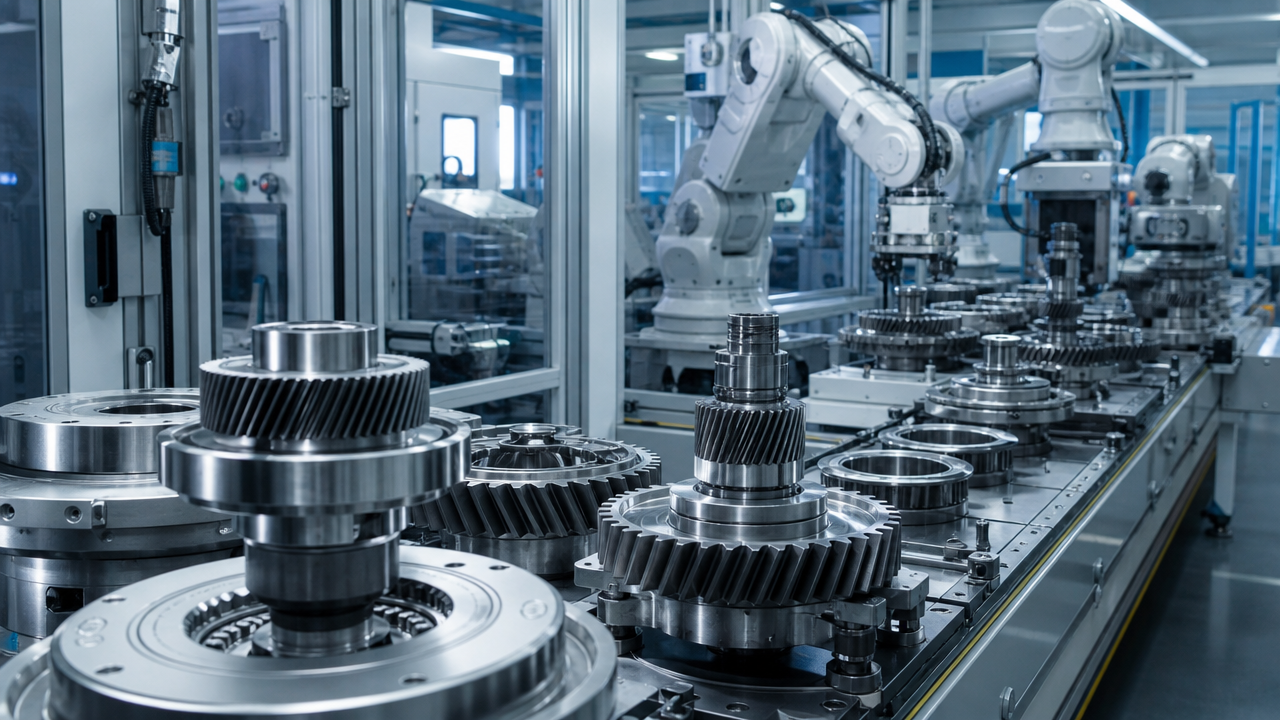
China is central because the robotics supply chain is dense there. Proximity to component makers, assembly partners, customers, and engineering talent can shorten iteration cycles. That does not guarantee global dominance, but it gives suppliers a strong starting position.
Physical AI Needs Industrial Depth
The physical AI story often sounds like a software story. In practice, it is a manufacturing story too. Reliability, maintainability, parts availability, and service logistics will decide whether a humanoid is a deployable product or a fragile demo.
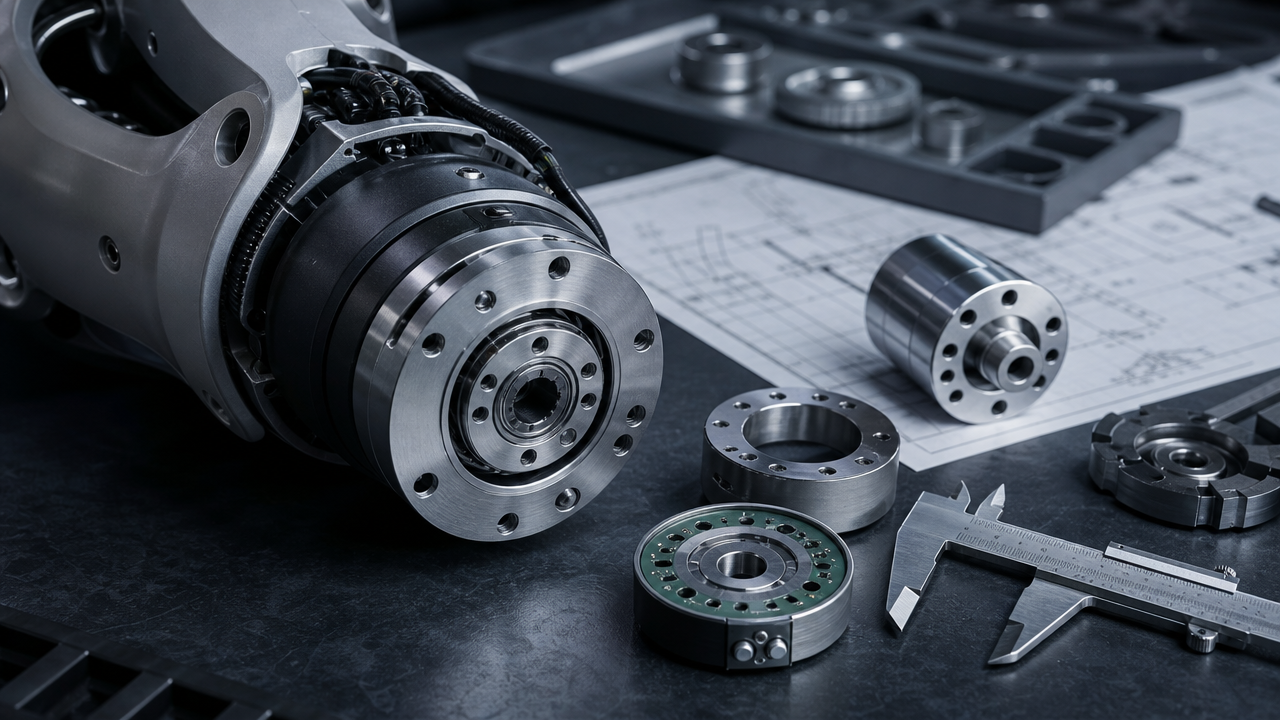
The deal also hints at where value may accrue. If many robot companies need similar high-precision components, suppliers with real manufacturing capacity may capture steadier revenue than the flashiest humanoid brands.
Topics: SKF, Leaderdrive, humanoid robots, robot components