Robotics
Humanoid Robot Suppliers Become Physical AI's Hidden Winners
As humanoid pilots move from videos to factories, attention is shifting to the suppliers behind joints, sensors, actuators, gearboxes, batteries and service contracts.
By Michael G ·
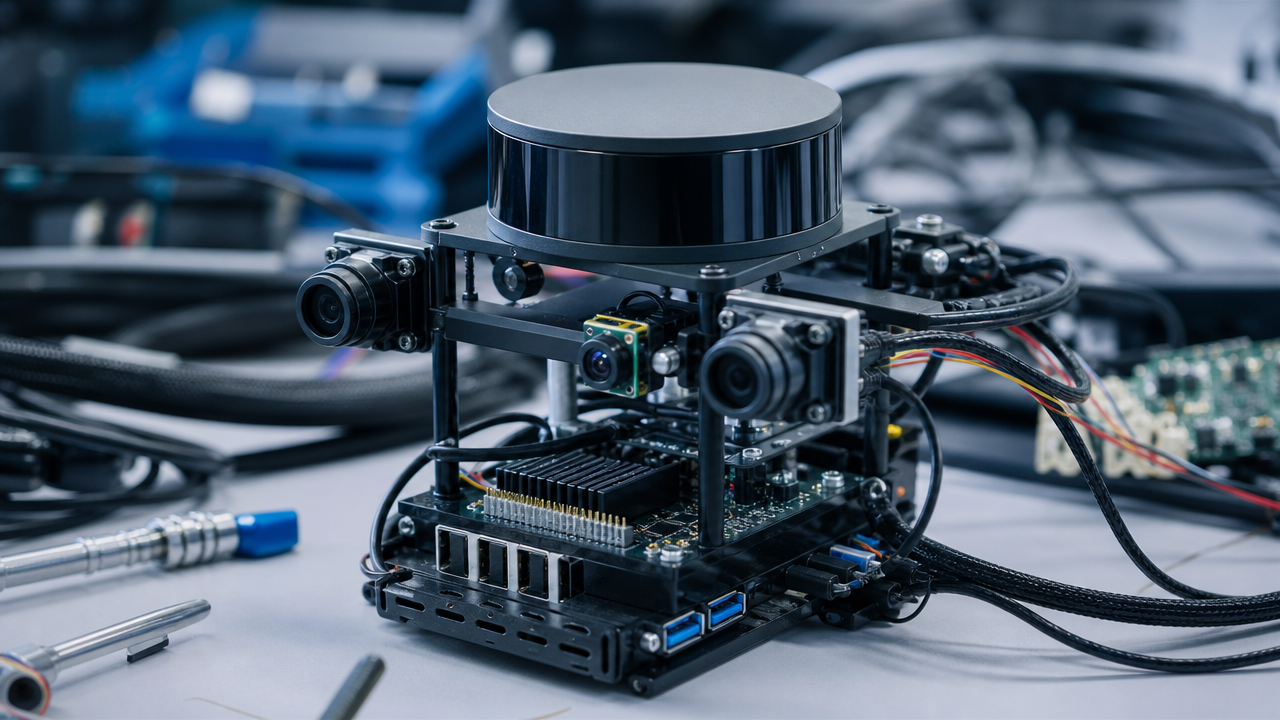
The humanoid robot market is still judged by demos, but the next serious money may flow to the suppliers that make those demos repeatable: joints, sensors, actuators, gearboxes, batteries, controllers and service teams.
Physical AI has a different economic shape from software AI. A model can be updated overnight. A robot has weight, heat, torque limits, wear, safety constraints and maintenance schedules. The companies that solve those physical constraints may become as important as the companies that train the policies.
That is why investors are looking beyond the visible robot brands. A humanoid that works in a factory needs reliable hands, low-backlash joints, durable reducers, force sensing, thermal management and predictable repair cycles. The real product is not a viral video. It is uptime.
The first wave of buyers will likely be industrial. Factories and warehouses can limit the environment, define tasks, add supervision and justify capital spending if robots reduce bottlenecks. Homes are harder because they contain children, pets, clutter, privacy expectations and unpredictable tasks.
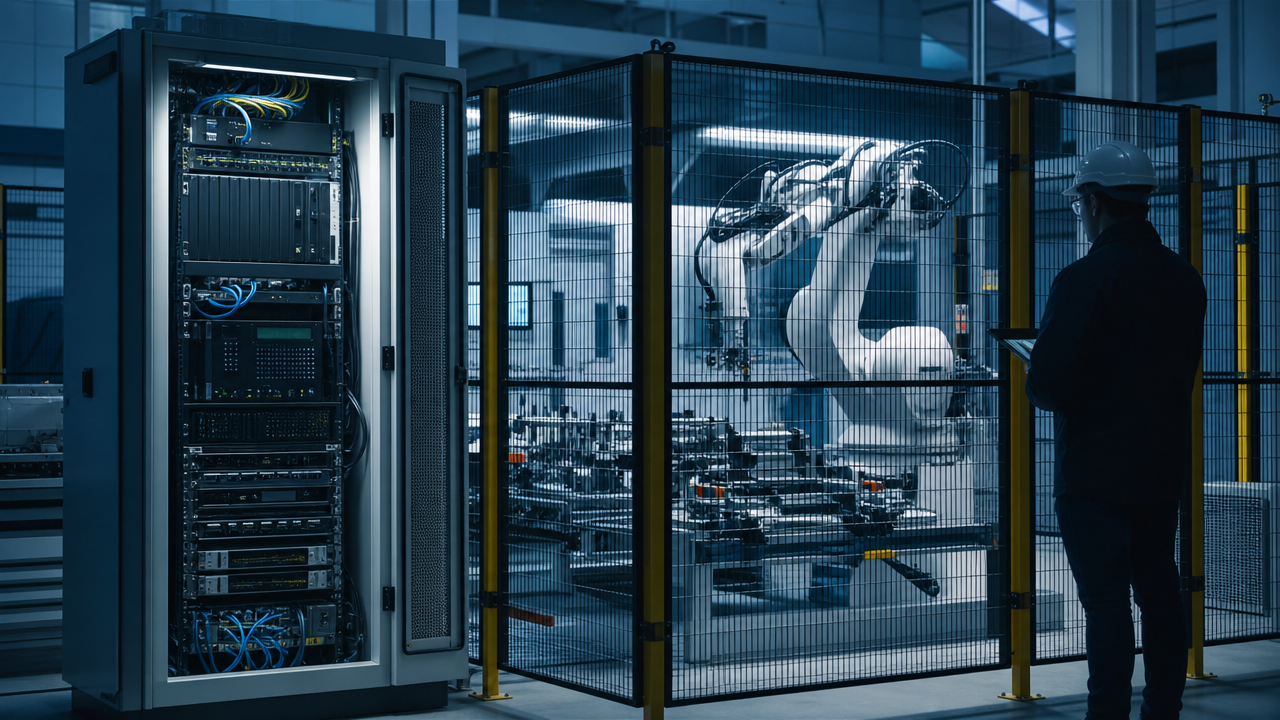
The supplier story matters because humanoids will not scale if every deployment is a custom engineering project. Component standardization, repair networks and known reliability curves are what turn a prototype into equipment a purchasing department can understand.
Software still matters. Foundation models, imitation learning and simulation can make robots more adaptable. But the software has to express itself through hardware that can lift, grip, walk, stop, recover and fail safely.
That makes the robotics supply chain a strategic layer of the AI market. The same way HBM memory became a hidden bottleneck for model training, high-quality actuators and sensors could become bottlenecks for physical AI deployment.
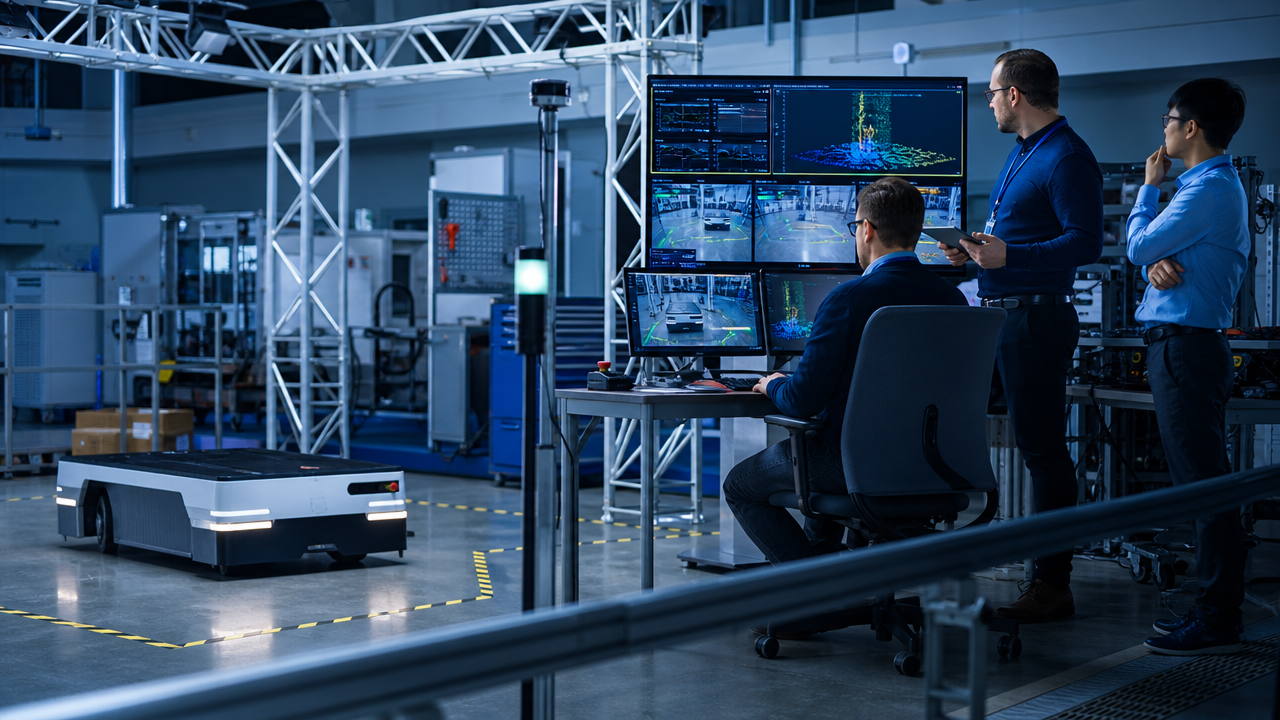
The companies that win may not look like consumer AI companies. They may look like precision manufacturers, motion-control specialists and service organizations with deep tolerance for unglamorous engineering.
Humanoid robots will keep producing dramatic demos. The market's quieter question is whether the supply chain can make those demos boring enough to buy.
Topics: humanoid robots, physical AI, actuators, robotics supply chain