Robotics
BMW's Humanoid Factory Pilots Show Where Physical AI Will Arrive First
BMW's reported deployment of Figure humanoids at its Spartanburg factory points to a practical robotics path: logistics, ergonomics, and repetitive industrial work before open-ended consumer autonomy.
By Michael G ·
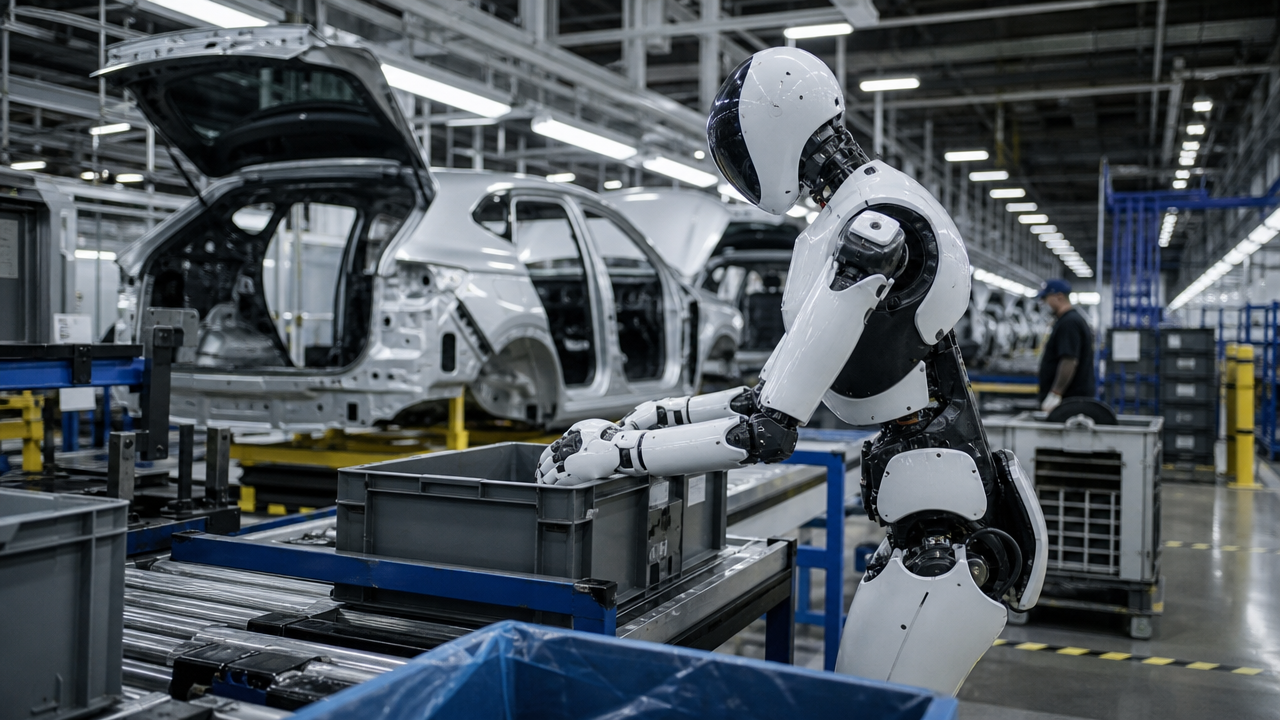
BMW's reported use of Figure humanoids in factory logistics is a useful reality check for the robotics boom. The most important early market for humanoid robots may not be homes, hotels, or public spaces. It may be industrial work where the environment is hard, but the business case is legible.
Automotive factories are structured enough to measure results and messy enough to expose real limitations. Parts move through predictable flows, safety procedures already exist, and repetitive handling work can be costly or ergonomically difficult for human teams. That makes the factory a logical proving ground for physical AI.
The First Job Is Logistics
The important detail is that early humanoid deployments often focus on logistics rather than cinematic autonomy. Moving totes, handling parts, staging components, and supporting production cells are mundane tasks, but they are exactly where flexible automation could matter if robots can work safely around people.
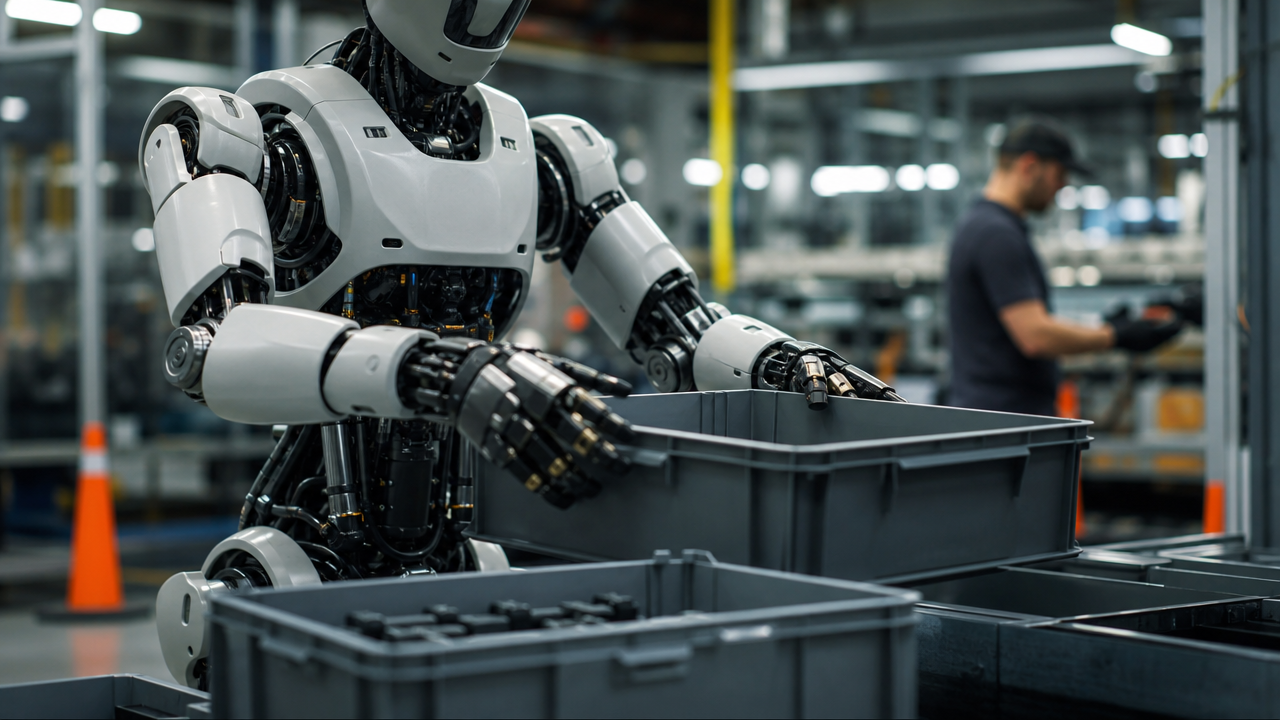
That focus also avoids one of the biggest traps in robotics marketing. A humanoid does not need to do everything a person can do to become useful. It needs to do a specific set of repeatable jobs well enough, safely enough, and cheaply enough that the deployment pays for itself.
Humanoid Shape Is A Business Bet
The humanoid form factor is controversial because wheels, arms, gantries, conveyors, and traditional industrial robots are often more efficient for known tasks. The argument for humanoids is compatibility: factories, tools, stairs, doors, bins, and workstations were built for human bodies. A robot shaped roughly like a worker may enter existing spaces with less redesign.
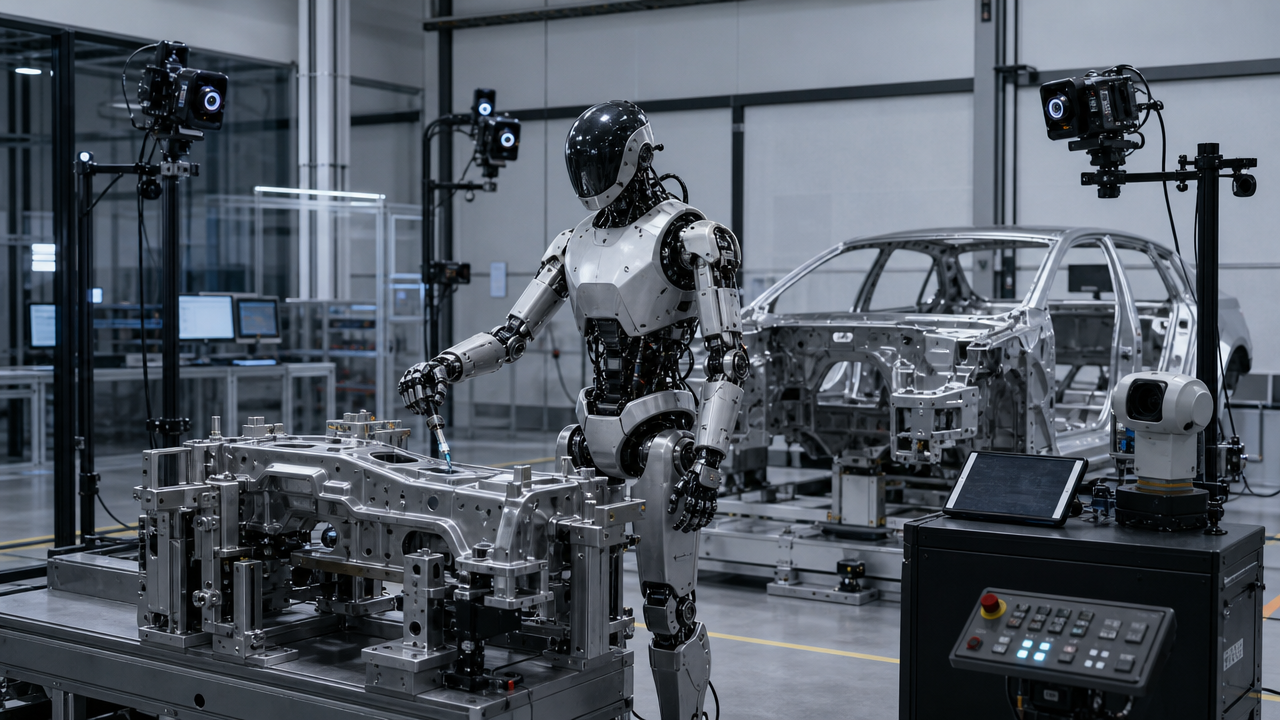
The risk is that the human-shaped design adds cost and complexity before autonomy is ready. Hands, balance, perception, batteries, actuators, safety systems, and service logistics all have to work together. If one layer is fragile, the robot becomes a support burden.
Topics: Figure AI, BMW, humanoid robots, factory automation