Robotics
Japan's Robot Laboratory Runs Itself — And It Could Reshape Scientific Research
A facility in Japan where robots conduct experiments independently, 24 hours a day, is offering a glimpse of what autonomous scientific research looks like — and raising questions about the future of human researchers.
By Michael C ·
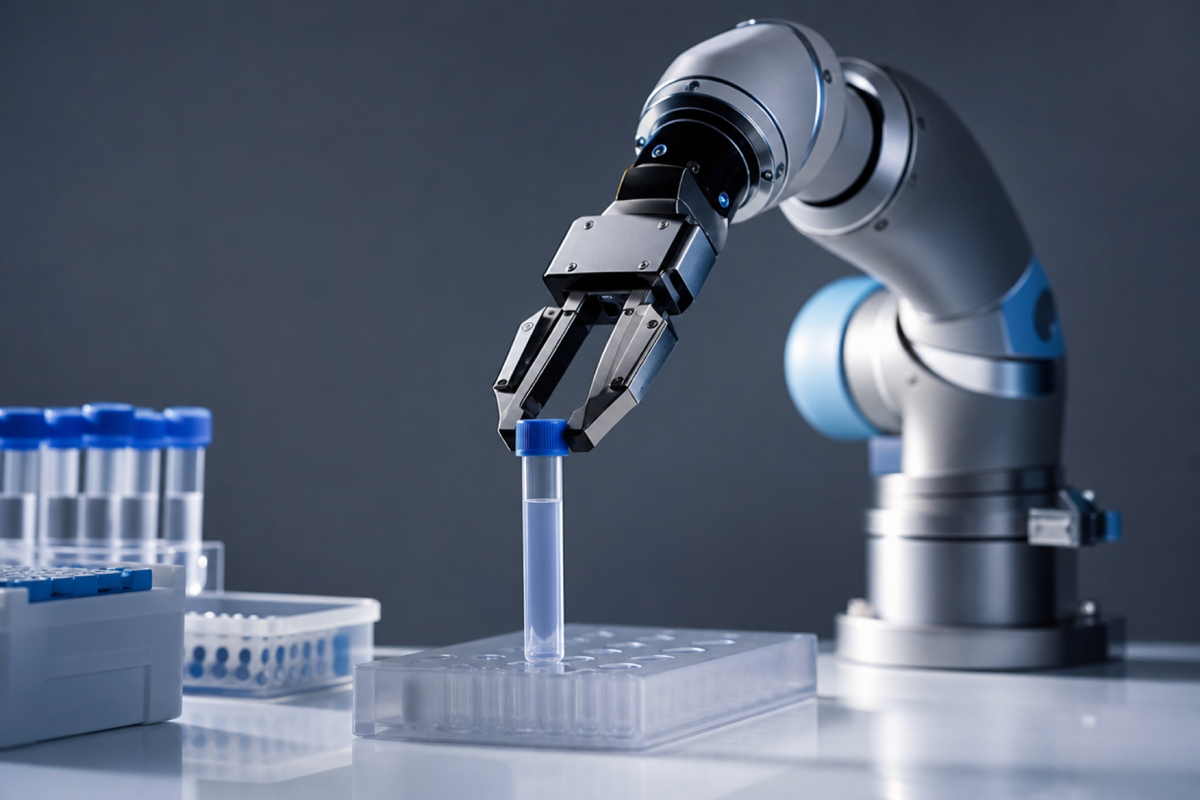
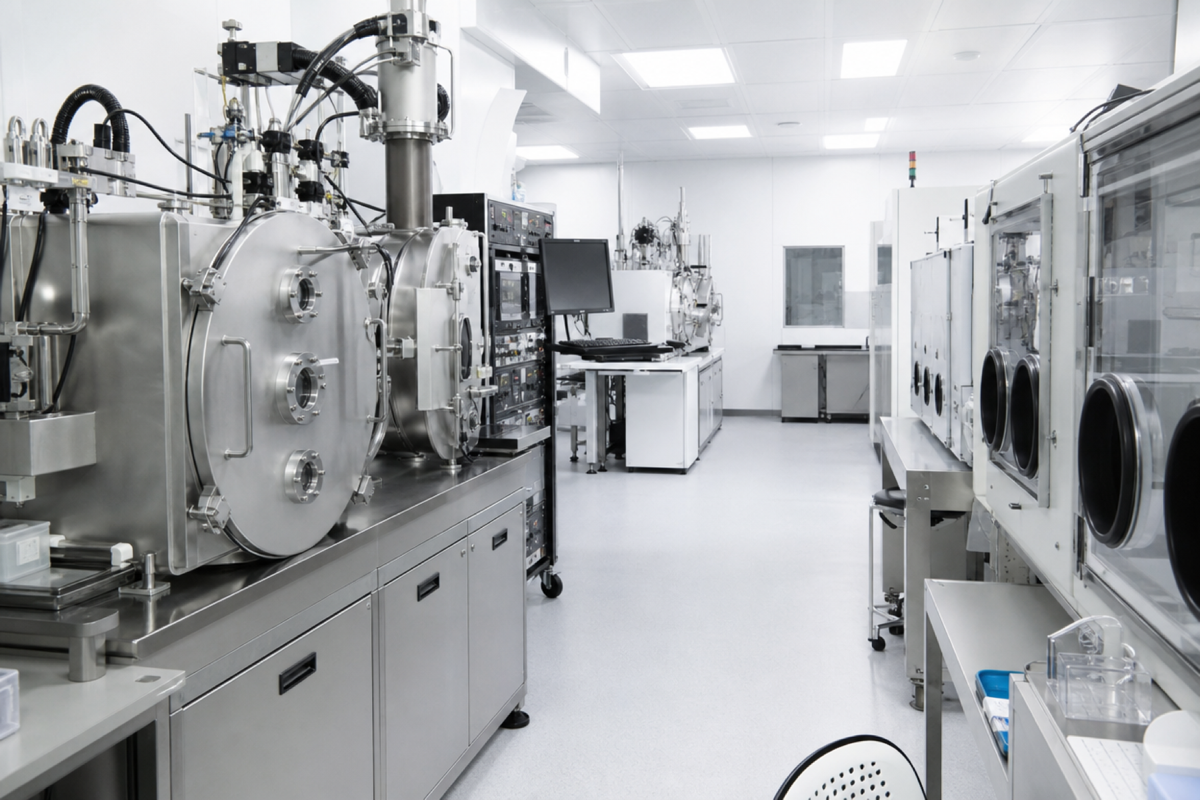
In a laboratory outside Tokyo, robots are running experiments around the clock without human supervision. They pipette samples, run assays, analyse results, and design follow-up experiments — all autonomously, guided by an AI system that decides what to test next based on what it has learned so far. The facility, described in a Nature report published this week, is not a prototype. It is a working research platform that has already produced publishable results in materials science and drug discovery.
The researchers behind the project have a larger ambition: a facility with thousands of robots capable of performing experiments independently by 2040. If that vision is realised, it would represent a fundamental shift in how scientific knowledge is generated — from a process driven by human curiosity and intuition to one driven by systematic, AI-directed exploration of experimental space.
How the System Works
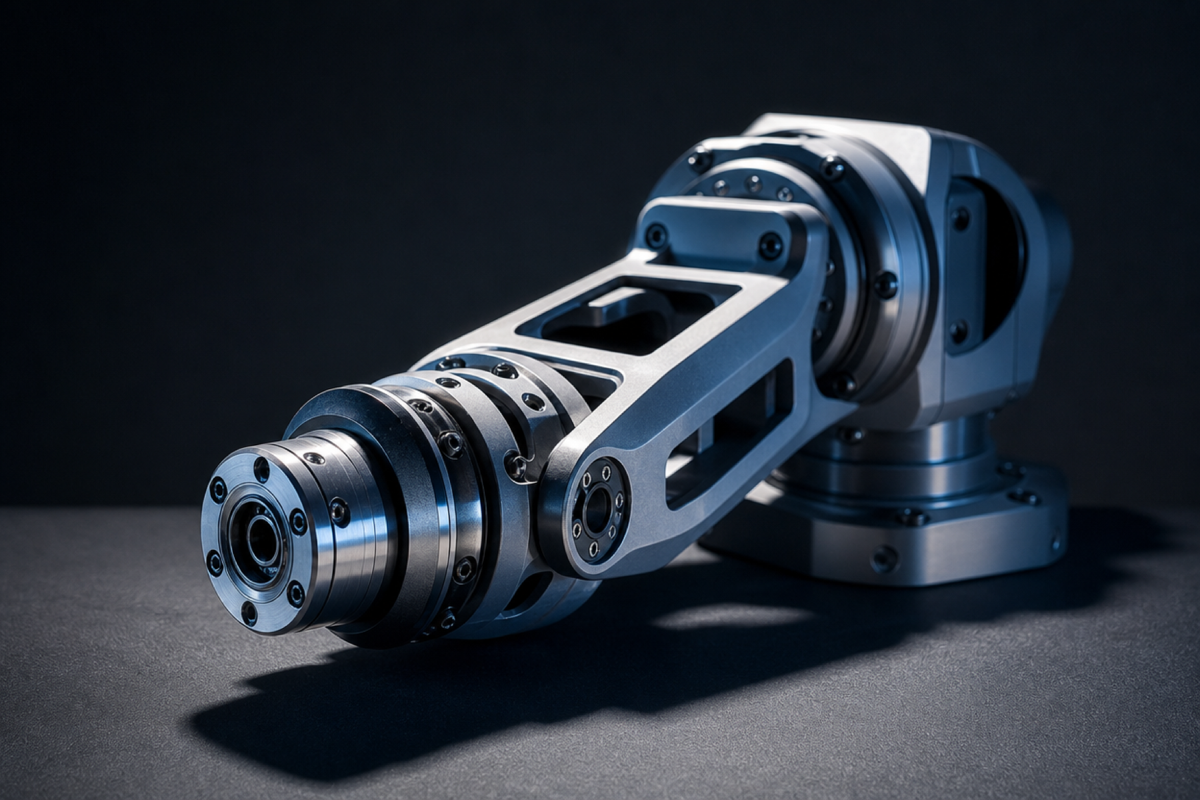
The laboratory uses a combination of robotic arms, automated liquid handling systems, and analytical instruments connected to a central AI orchestration layer. The AI — built on a foundation model fine-tuned for scientific reasoning — receives the laboratory's current experimental results, generates hypotheses about what to test next, and dispatches instructions to the robotic systems. Results are fed back into the AI's context, updating its model of the experimental landscape. The loop runs continuously, 24 hours a day, seven days a week.
The speed advantage over human-run laboratories is significant. A human researcher typically runs a handful of experiments per day, constrained by the need to sleep, attend meetings, and think through results before designing the next test. The autonomous system runs hundreds of experiments per day, with no such constraints. In one materials science project, the system identified a promising new compound in three weeks that the research team estimated would have taken two years of conventional laboratory work.
The Human Researcher Question
The obvious question is what this means for human researchers. The scientists running the project are careful to frame the system as a tool that amplifies human research capacity rather than replaces it. Human researchers define the problem space, evaluate whether the AI's hypotheses are scientifically meaningful, and interpret results in the context of broader scientific knowledge. The robots do the repetitive experimental work; the humans do the creative and contextual work.
That framing is reassuring, but it may not hold as the systems become more capable. The current system requires human oversight for hypothesis generation and result interpretation. Future systems, trained on larger scientific corpora and equipped with more sophisticated reasoning capabilities, may handle those tasks autonomously as well. The 2040 vision of thousands of independent research robots implies a scientific enterprise where human researchers are supervisors of autonomous systems rather than primary investigators. Whether that is a utopia or a crisis for the scientific profession depends heavily on how the transition is managed — and who controls the systems.
Topics: Robotics, Autonomous Research, Japan, Science, AI Agents