Robotics
Alibaba Releases Qwen-Drive 1.0 for 3D Perception and Autonomous Driving
Qwen-Drive 1.0 adapts Alibaba’s 4-billion-parameter multimodal model for 3D perception, driving questions and trajectory planning while keeping the base architecture intact.
By Michael G ·
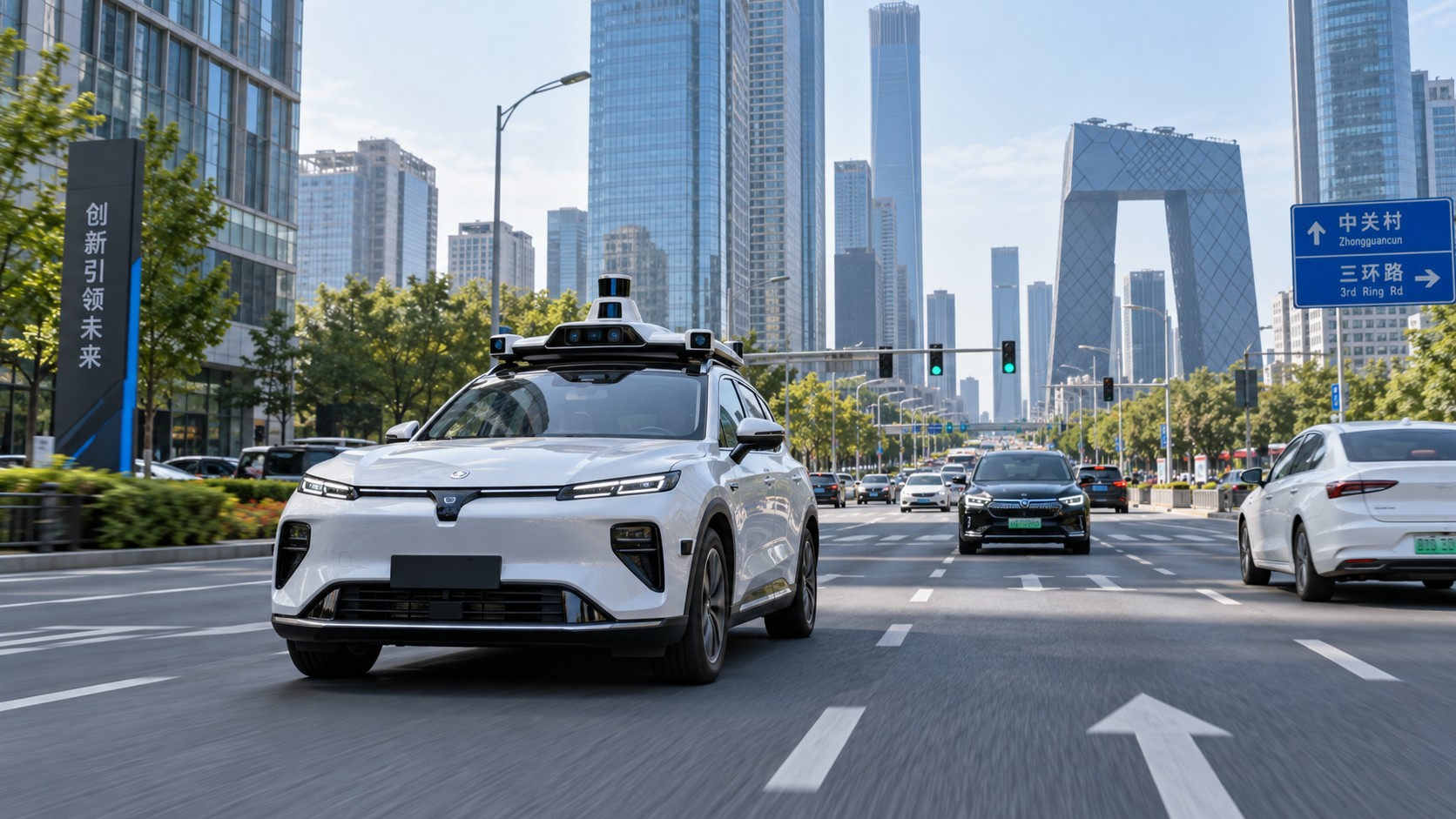
Alibaba’s Qwen team has released Qwen-Drive 1.0, a vision-language foundation model that brings scene understanding, explicit 3D perception and vehicle trajectory planning into one research system. Built on Qwen3.5-4B, the model keeps the pretrained multimodal architecture unchanged and attaches specialist modules that translate visual representations into the geometry and motion decisions an autonomous vehicle requires.
The design addresses a practical split in autonomous-driving research. General vision-language models can describe a road scene and answer questions about it, but cars need structured outputs such as object positions, occupied space, lane geometry and a safe path over the next several seconds. Conventional perception stacks produce those outputs but are less able to reason across language and unfamiliar situations. Qwen-Drive attempts to connect the two.
One Shared Visual Backbone
The system adds a bird’s-eye-view perception head that performs 3D object detection, semantic occupancy prediction and map segmentation. A separate Planning Expert uses flow matching to generate a five-second ego trajectory. Both read from the shared Qwen representations, allowing the same visual backbone to support questions, spatial understanding and motion planning.
That modularity is important for inspection. Engineers can evaluate the explicit 3D representation rather than relying only on a natural-language explanation of what the model believes. If a planned turn is unsafe, developers can ask whether the error began in object detection, occupancy, map understanding or trajectory generation. A unified model is useful only if failures remain diagnosable.
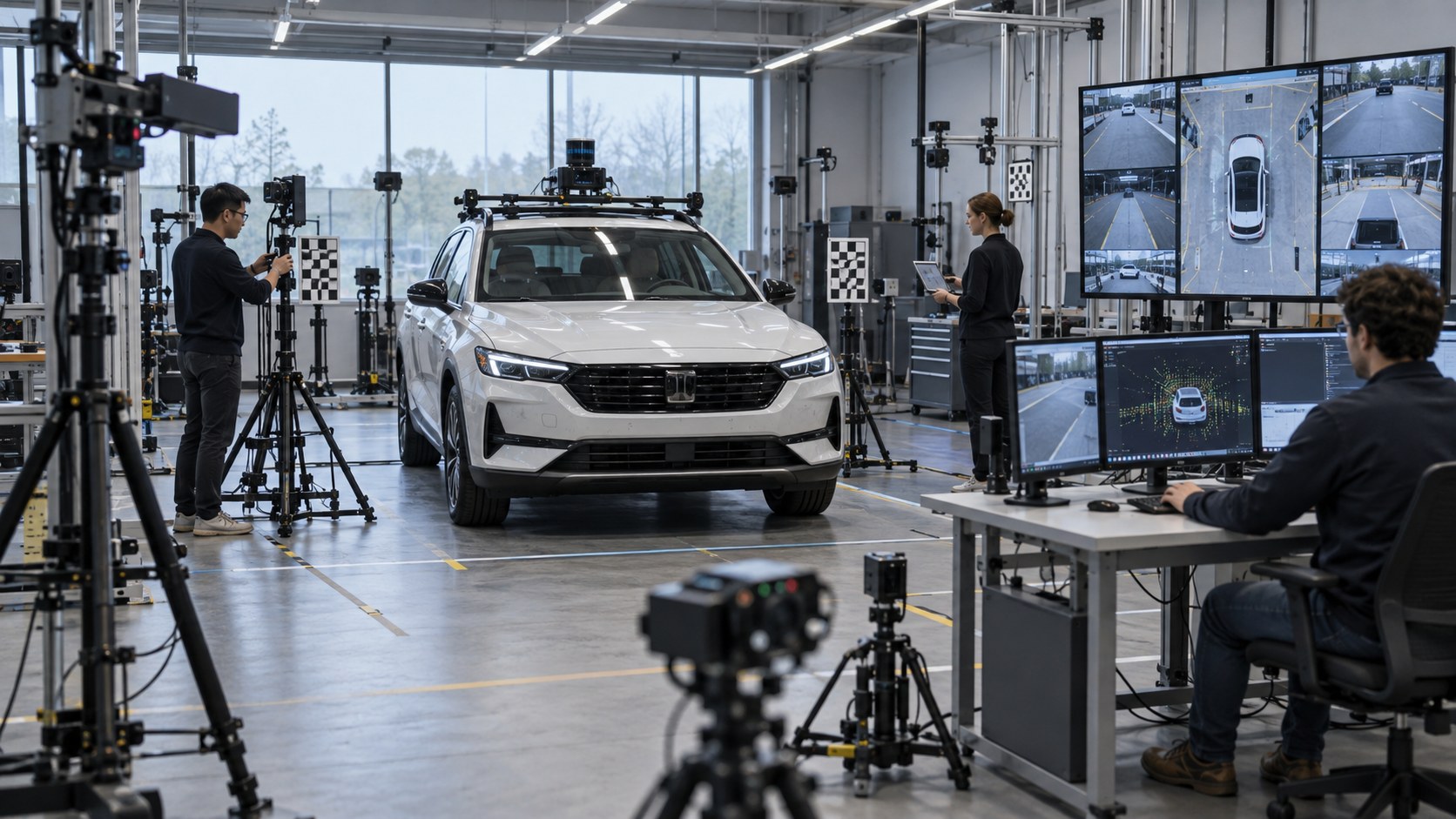
The team trained the system in stages, combining public driving datasets with general vision-language supervision. That mixture is intended to build driving skill without erasing the broad visual understanding inherited from Qwen3.5. Catastrophic forgetting is a real concern when a general model is specialized too aggressively, because a narrow gain can reduce the flexible reasoning that made the base model attractive.
Reported benchmark results show strong driving question answering and competitive planning across open-loop, pseudo-closed-loop and closed-loop tests. Those categories are not interchangeable. Open-loop evaluation asks whether a predicted trajectory resembles recorded human behavior. Closed-loop testing measures what happens as the vehicle’s own decisions change the next state. Safety claims should place more weight on the latter, while remembering that simulation still differs from public roads.
Open Research, Not a Road-Ready Driver
Qwen describes the release as an initial step, and that caution is warranted. The project uses public datasets whose cameras, labels and driving conventions cannot represent every road. A system that performs well on selected benchmarks may still struggle with rare construction layouts, emergency vehicles, severe weather or the informal negotiations that happen between drivers and pedestrians.
The model’s text explanations also need scrutiny. A fluent account of why a vehicle should slow down can sound persuasive even when it is not causally connected to the trajectory generator. The researchers say consistency between textual reasoning and planned motion remains an area for improvement. That gap matters because explanations are useful only when they reveal the system’s actual basis for action.
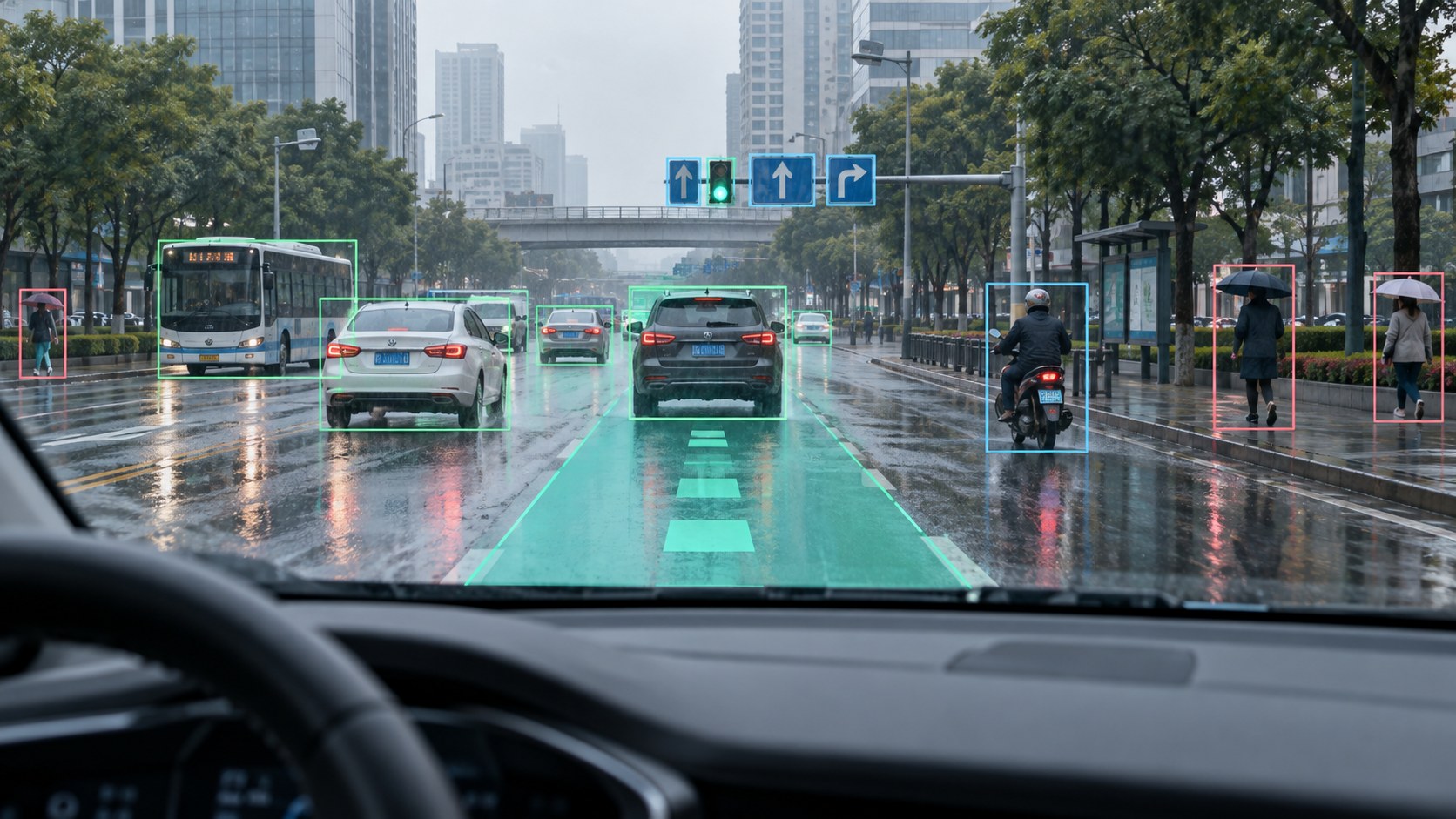
Code and model resources can accelerate independent testing. Universities and suppliers that cannot train a large driving foundation model from scratch can examine the architecture, reproduce benchmarks and adapt it to regional data. The Apache 2.0 license lowers barriers to commercial experimentation, though any deployment would still carry extensive validation and regulatory obligations.
Open access can also expose weaknesses earlier. Researchers can build adversarial scenes, test geographic bias and compare the planning expert with simpler baselines. The project’s public repository gives those teams a concrete implementation to audit. That is a healthier path than judging the system from curated videos. Autonomous driving has a long history of demonstrations that looked decisive before edge cases, costs and operational constraints slowed deployment.
China’s Broader Robotics Strategy
A shared driving foundation could also change supplier relationships. Today, automakers often buy separate perception, mapping and planning components whose interfaces become difficult to update. A common representation may reduce integration work, but it concentrates more behavior in one learned system. Vehicle programs will need version controls that show exactly which model, dataset and planning module produced every safety-relevant release.
Local adaptation is especially important in China, where dense cities, electric scooters, informal curb use and rapidly changing road construction create scenes that differ from North American benchmarks. The same problem appears in reverse when Chinese-trained systems are exported. A global foundation model needs evidence across regions, not an assumption that scale has averaged away local driving culture.
Alibaba’s move also reflects the convergence of large-model research and embodied systems in China. Cloud providers want their model families to extend beyond chat and coding into vehicles, warehouses and robots. A driving model creates demand for training data, cloud compute, simulation and edge hardware, tying the research release to a larger industrial ecosystem.
For automakers, the central question is not whether one model can replace an entire stack. It is whether a shared foundation can reduce duplicated training across perception, language and planning while preserving the deterministic controls required for safety. The National Highway Traffic Safety Administration’s automated-driving guidance emphasizes that developers remain responsible for the performance of the complete vehicle system, not one impressive component.
The most informative next tests will involve transfer. Researchers should show how quickly Qwen-Drive adapts to new camera layouts, road rules and weather without losing calibrated uncertainty. They should also report intervention rates and failure clusters, not only average benchmark scores. A model that improves routine scenes but becomes confidently wrong in rare ones can make a system harder to supervise.
Qwen-Drive is significant because it gives the field an inspectable, reusable attempt to connect general visual intelligence with physical planning. It is not evidence that a 4-billion-parameter model can drive unsupervised in the real world. The value of the release will be determined by what independent teams discover when they move beyond the headline benchmarks and force the system to confront roads it has never seen.
Topics: Alibaba, Qwen-Drive, autonomous vehicles, vision-language models, robotics