Robotics
Waymo Targets Singapore for a 2028 Robotaxi Launch
Waymo is preparing a Singapore expansion aimed at ride-hailing service in 2028, testing whether its autonomous-driving stack can transfer to a dense, tightly regulated Asian city.
By Michael G ·
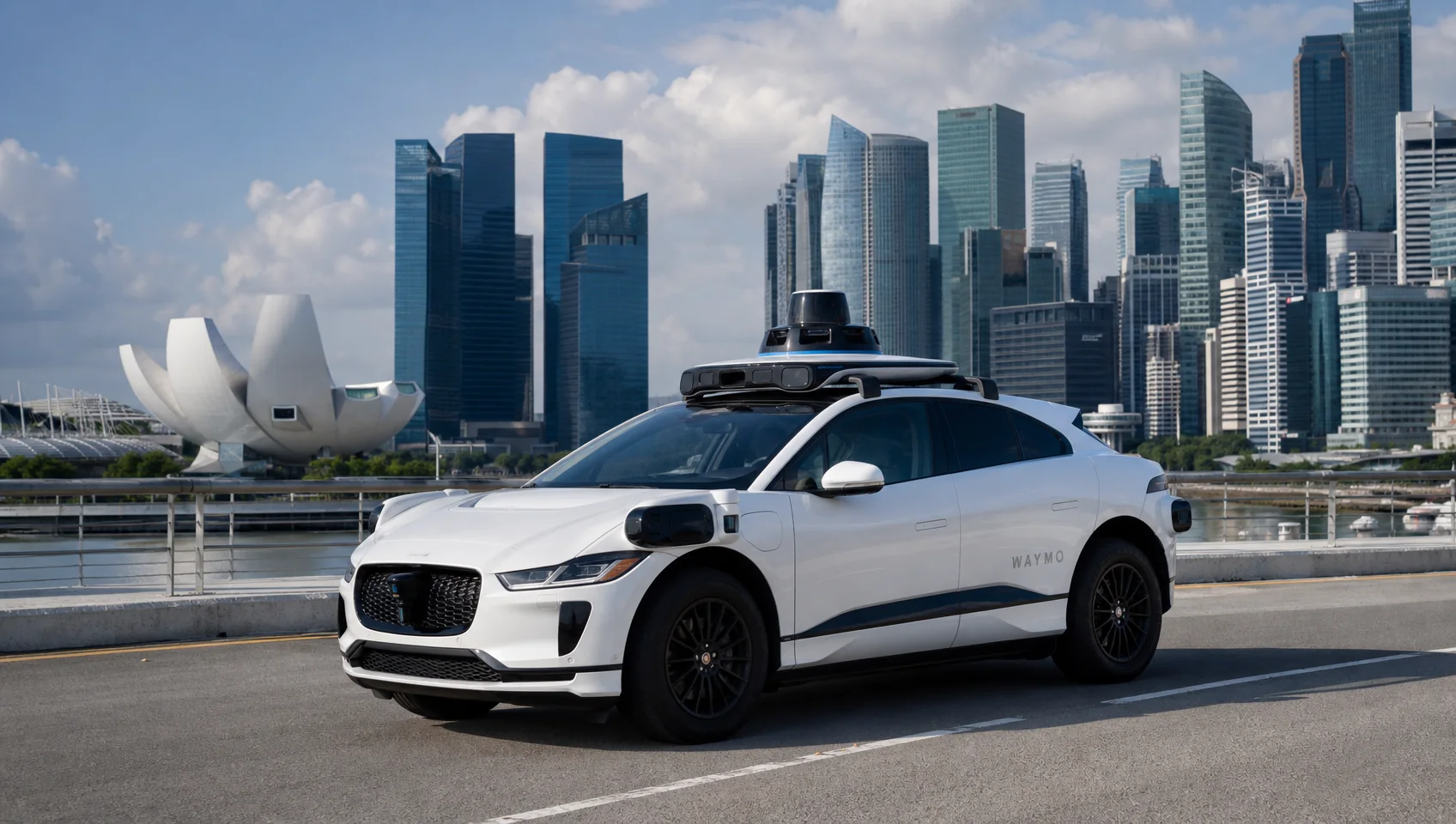
Waymo's Singapore expansion. Waymo is preparing a Singapore expansion aimed at ride-hailing service in 2028, testing whether its autonomous-driving stack can transfer to a dense, tightly regulated Asian city. The development emerged in Unite.AI's autonomy report, placing a concrete decision, release or disclosure behind a debate that had often been discussed in broader terms.
Singapore offers strong road infrastructure and regulatory capacity, but left-side driving, tropical weather and dense mixed traffic create a new operational domain.
What Changed
A 2028 target gives the company time to map roads, validate behavior and work through licensing. Expansion still depends on evidence that remote support and fleet operations can meet local expectations.
The immediate consequence is operational. Companies, policymakers and technical teams now have to translate the announcement into budgets, controls and measurable outcomes. That process usually exposes the distance between a product claim and a system that can be trusted under real workloads.
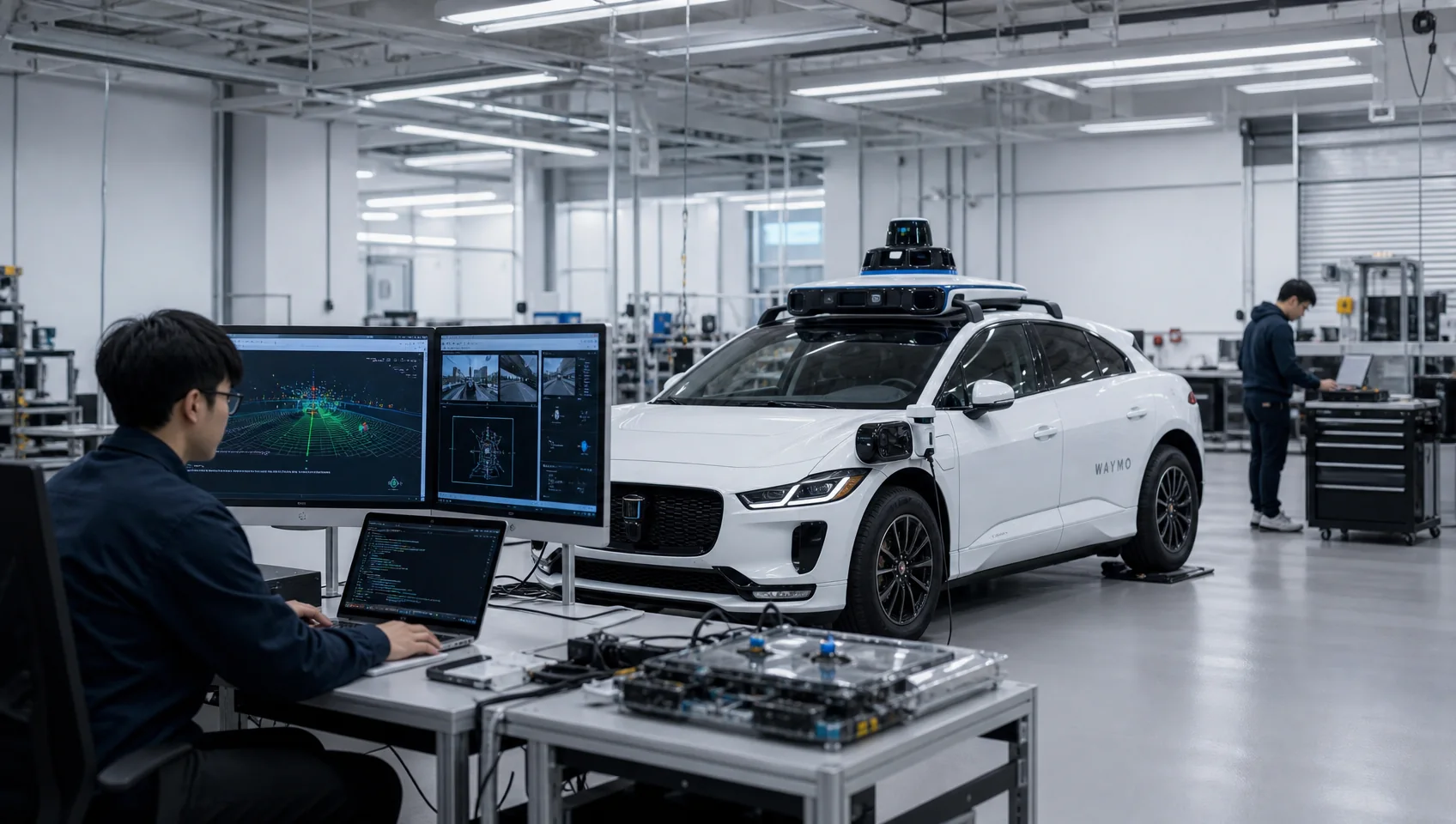
Physical AI has to survive contact with uncertain environments, not only complete a controlled demonstration. Independent stopping systems, force limits, incident logs and a clear handoff to human operators remain essential. ISO's robotics standards and NIST's robotics program provide the engineering context for evaluating those safeguards.
The transfer test is broader than geography. A system trained extensively in U.S. cities must demonstrate that its safety case survives different road customs, vehicles and edge cases.
The Next Test
The next evidence will come from implementation rather than promises. Useful reporting should track who receives access, what safeguards are mandatory, how failures are disclosed and whether customers or the public can independently verify the claimed result.
That distinction matters because AI markets move quickly from announcement to assumption. Once a capability is treated as inevitable, procurement and policy can race ahead of the evidence. A disciplined response keeps the opportunity visible without treating uncertainty as an inconvenience.
Waymo's Singapore expansion will ultimately be judged by what changes outside the launch cycle: the work completed, the risks reduced, the costs absorbed and the people who retain authority when the system is wrong. Those are slower measurements, but they are the ones that determine whether this development lasts.
Topics: Waymo, Singapore, robotaxi, autonomous vehicles