Robotics
Google's Agentic Vehicle Stack Turns Cars Into A Cloud-Security Test
Google Cloud's Nexus SDV work with Android Automotive shows how AI-defined vehicles could turn fleet telemetry and in-car controls into a new security and governance challenge for automakers.
By Michael G ·
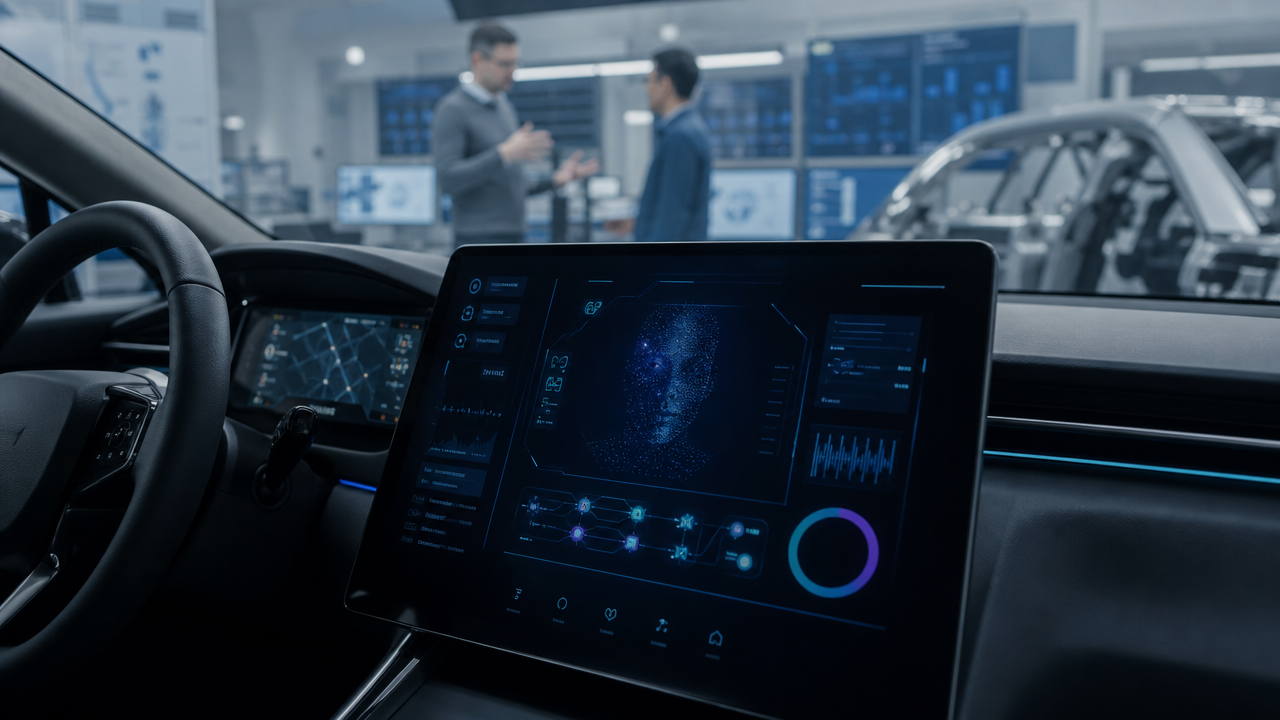
Google Cloud's new work with Nexus SDV and Android Automotive points toward a more consequential version of the connected car. In this model, an AI agent is not only answering a question on a dashboard. It can interpret telemetry, understand vehicle services and help trigger actions across a physical machine.
The pitch is persuasive. A software-defined vehicle can use data from sensors, maintenance history and connected services to spot problems earlier, personalize an experience or prepare a service visit before a warning light becomes a breakdown. It can also make an automaker's fleet more manageable after it leaves the factory.
But the step from connected service to agentic action changes the safety case. An agent that can suggest an appointment is one thing. An agent that can adjust climate, lighting, diagnostics or other in-car functions needs narrowly defined authority, strong identity controls and a way to fail safely when connectivity, data quality or intent is uncertain.

Google's architecture leans on Android Automotive services, cloud-scale telemetry storage and a data layer intended to let manufacturers build their own customer experiences. That is a useful foundation, but it also concentrates sensitive information: where a car is, how it is being used, what condition it is in and, potentially, which actions a driver has asked it to take.
Security cannot be bolted on after the fact. Vehicle APIs need strict separation between convenience features and safety-critical domains. Certificates have to establish which service is calling which system. Every remote action needs a durable record, and a compromised cloud credential cannot become a remote key to a fleet.
That is why the most important part of an AI-defined vehicle may be invisible to a driver. It is the policy layer that determines which intent can become an action, which actions need confirmation, and which subsystems are never exposed to a conversational interface.

Automakers have lived with software complexity for years. Agentic AI makes the consequences more immediate because it combines software, cloud services and a physical product that people trust with their safety. A good feature can improve uptime. A poorly scoped one can create a new attack surface at highway speed.
The software-defined car is becoming an AI product. Its winners will be the manufacturers that treat security architecture and customer trust as product features, not as an integration checklist.
Topics: Google Cloud, Android Automotive, software-defined vehicles, agentic AI