Robotics
New U.S. Curbs On Foreign Robots Put Security And Supply Chains In The Same Frame
U.S. restrictions on certain foreign-made humanoid and quadruped robots make market access a question of software, remote access and product evidence as much as tariffs or shipping.
By Michael G ·
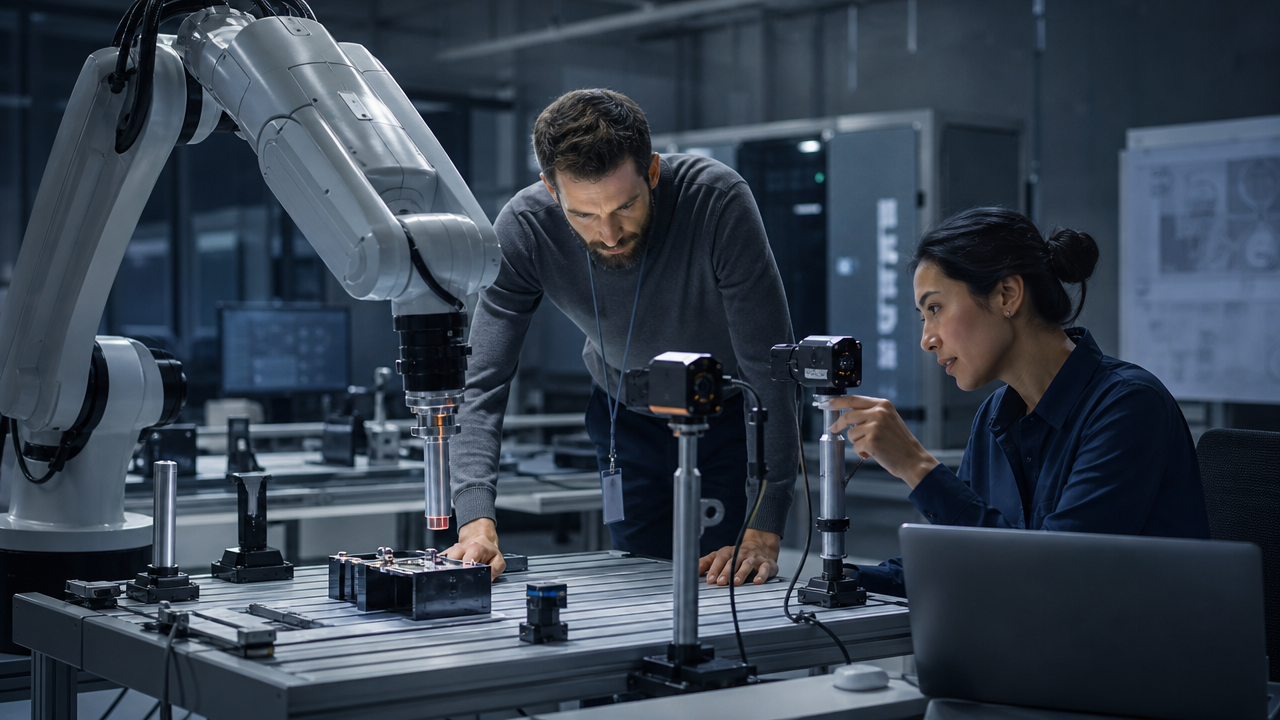
New U.S. restrictions affecting foreign-made humanoid and quadruped robots have moved a fast-growing market closer to the scrutiny long applied to communications gear and advanced chips. The immediate policy argument is national security. The practical consequence is that a robot's sensors, radios, update servers and remote-maintenance path now matter as much as its motors or battery.
Robots operate in physical environments. A machine used in a warehouse, factory or public facility can collect visual data, map a site and receive software changes long after delivery. That does not make every imported robot a threat. It does mean buyers and regulators will demand evidence about where data goes, who can access it and how the machine behaves if its connection is interrupted.
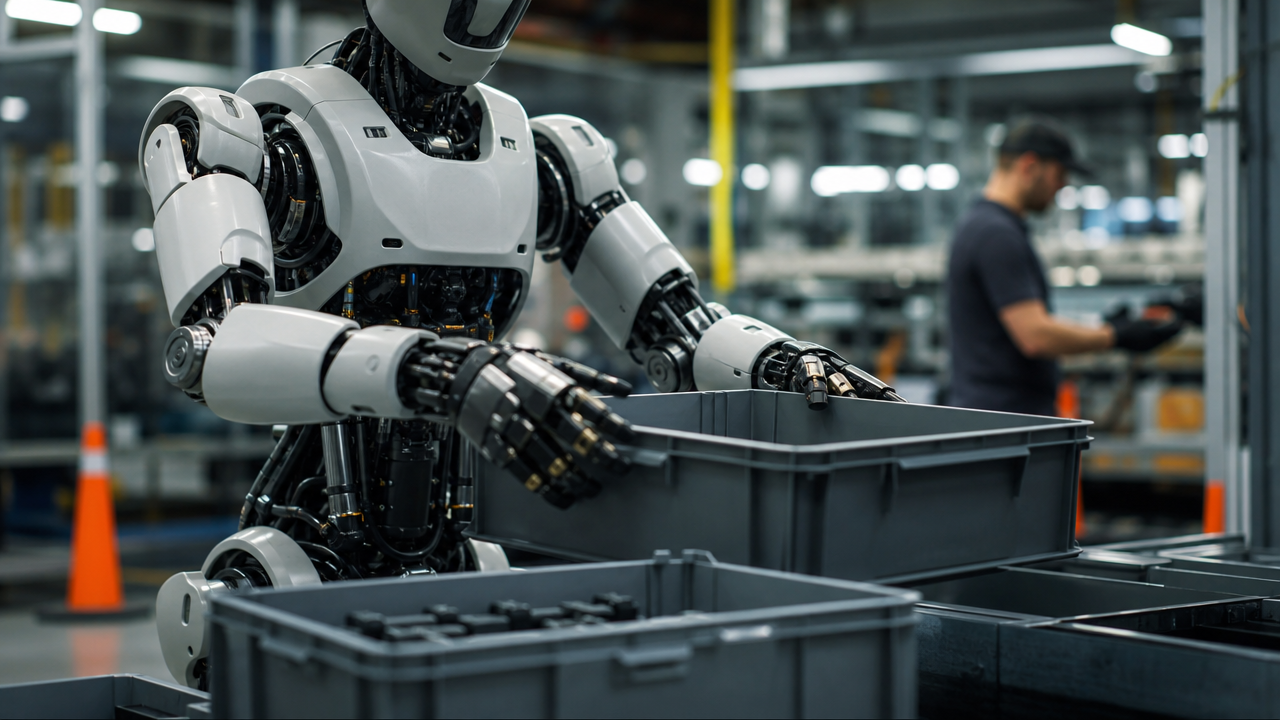
Manufacturers that want access to global markets will need more than a persuasive demonstration. They will need software bills of materials, vulnerability processes, local service arrangements and credible emergency-stop design. Those documents are becoming part of what an industrial customer is buying.
The companies that can show security and service discipline alongside capable hardware will be better placed when commercial adoption broadens beyond pilot programs.
Topics: robotics, supply chain, security