Robotics
Waymo Launches the Ojai — A Chinese-Made Minivan Designed to Finally Make Robotaxis Profitable
Waymo's new Ojai vehicle — a Zeekr-manufactured minivan equipped with 6th-generation autonomous driving hardware — is now accepting select riders in Los Angeles, Phoenix, and San Francisco. It is the first Waymo vehicle designed from the ground up for commercial scalability.
By Patrick T ·
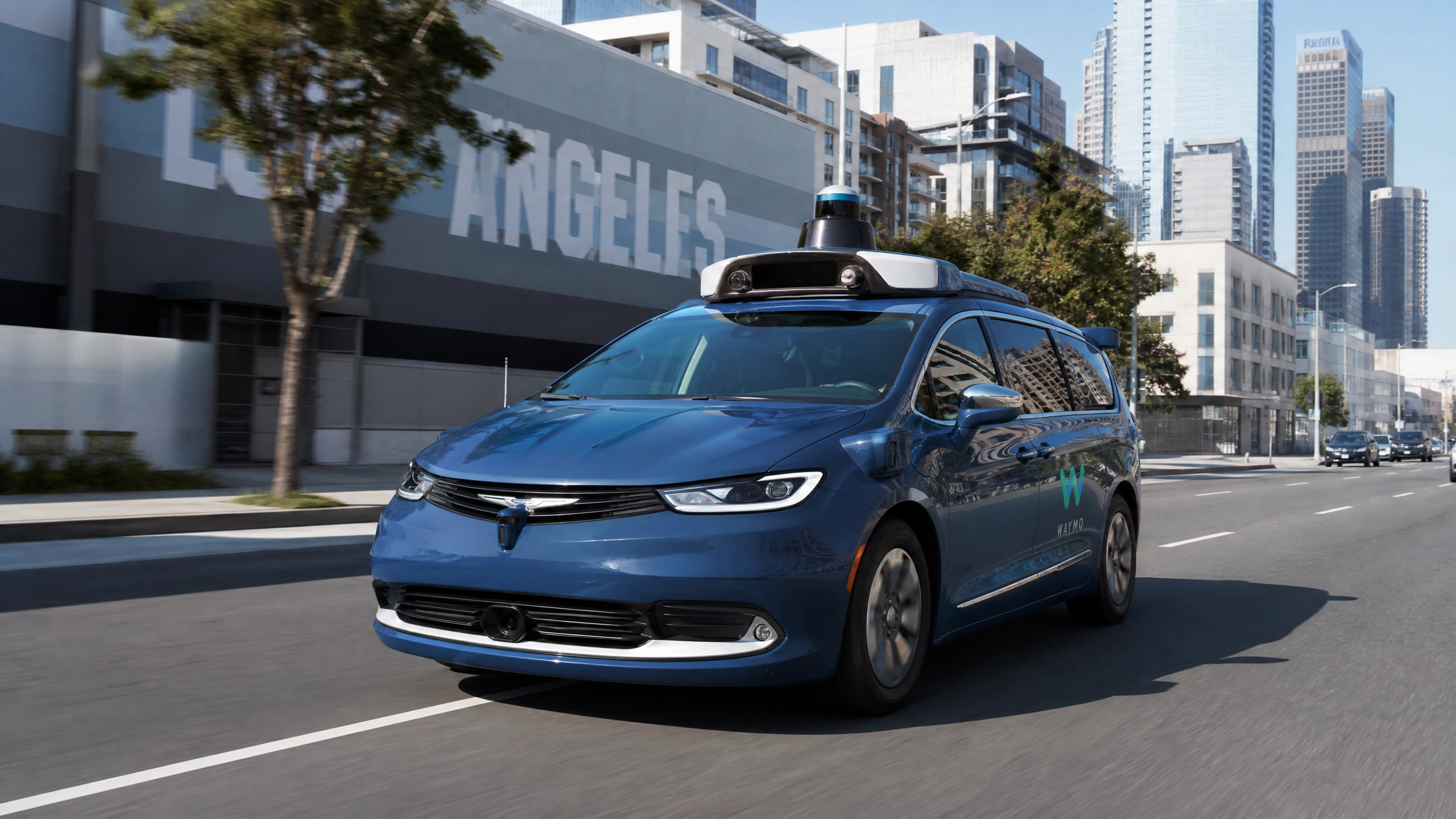
Waymo has begun accepting select riders in its new Ojai vehicle — a blue-hued electric minivan manufactured by Zeekr, the premium electric vehicle brand of China's Geely Holding Group. The Ojai is now operating in Los Angeles, Phoenix, and San Francisco, offering free rides to an initial cohort of users while Waymo gathers feedback before a broader commercial rollout.
The Ojai is the most significant hardware update in Waymo's history. While the company's existing fleet of approximately 3,700 Jaguar I-Pace vehicles was adapted from a consumer car platform, the Ojai was designed on Zeekr's SEA-M architecture — a platform built specifically for future mobility and robotaxi applications. The flat floor, gondola-style sliding doors, three adaptive interior screens, charging ports, braille buttons, and grab bars are all features that no consumer car would include but that a commercial robotaxi operator would specify from day one.
Sixth-Generation Autonomy Hardware
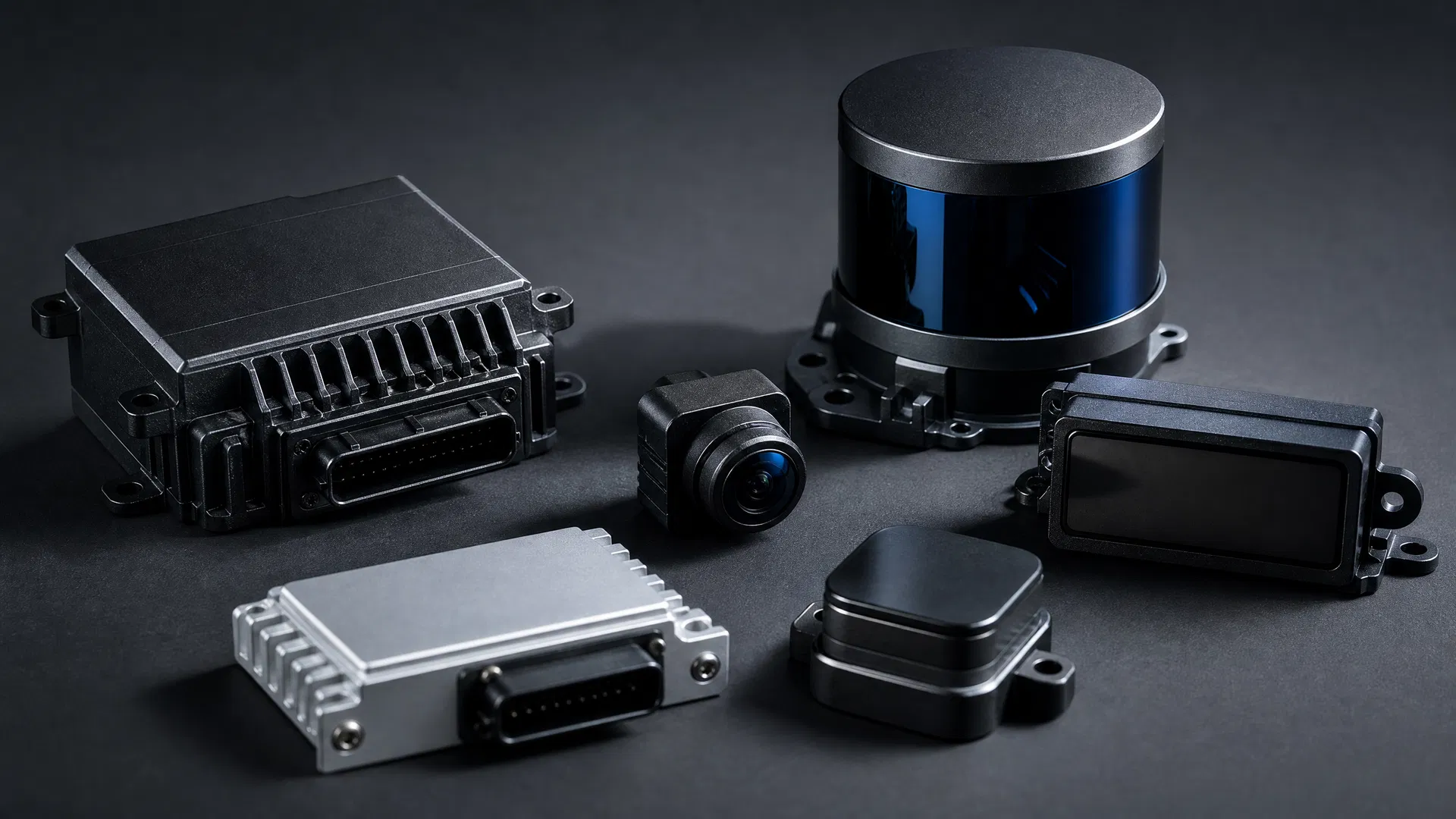
The Ojai carries Waymo's 6th-generation autonomous driving system: 13 cameras, 4 lidar sensors, and 6 radar units. The key advance over previous generations is modularity — the 6th-gen system is designed to be installed across multiple vehicle platforms. Waymo has confirmed that the same hardware stack will be deployed in the Hyundai Ioniq 5, which is entering the Waymo fleet in parallel with the Ojai.
Modularity is the critical unlock for profitability. Previous Waymo generations required bespoke sensor integration for each vehicle model, making it expensive and slow to scale. A modular system that can be bolted onto any compatible platform dramatically reduces the per-vehicle cost of adding autonomous capability and allows Waymo to diversify its vehicle supply chain.
The China Supply Chain Question
The Ojai's Chinese manufacture has attracted scrutiny in Washington, where lawmakers have raised concerns about connected vehicle technology from Chinese suppliers. Waymo has addressed this directly: the Zeekr vehicles are stripped of their Chinese-origin connected car technology before shipping to Waymo's outfitting facility in Mesa, Arizona, where Waymo's own sensor and compute systems are installed.
The arrangement mirrors the approach taken by other US autonomous vehicle companies that have sourced vehicle platforms from Asian manufacturers while maintaining control over the software and sensor stack. Whether this satisfies regulators in the long term remains an open question, particularly as the US-China technology decoupling debate intensifies.

The Path to Profitability
Waymo's parent company Alphabet has invested more than $10 billion in Waymo over the past decade. The company has never disclosed revenue figures, but analysts estimate that its current fleet generates approximately $50 million in annual revenue — a fraction of what would be required to justify the investment. The Ojai, with its purpose-built design and modular hardware, is the first vehicle that Waymo has described as being designed to 'make money.'
Waymo is targeting tens of thousands of Ojai units annually, a scale that would represent a 10x expansion of its current fleet. Achieving that scale will require resolving ongoing operational challenges: the company recently paused freeway service in four cities and suspended expansion plans in Atlanta and San Antonio following incidents related to flooding and edge-case navigation failures.