Robotics
AgiBot's Factory Push Shows Humanoids Are Entering Through Inspection Before Autonomy
Factory inspection is emerging as one of the more realistic early markets for humanoid robots. The work is structured enough for pilots, but still demanding enough to expose the limits of embodied AI.
By Michael G ·
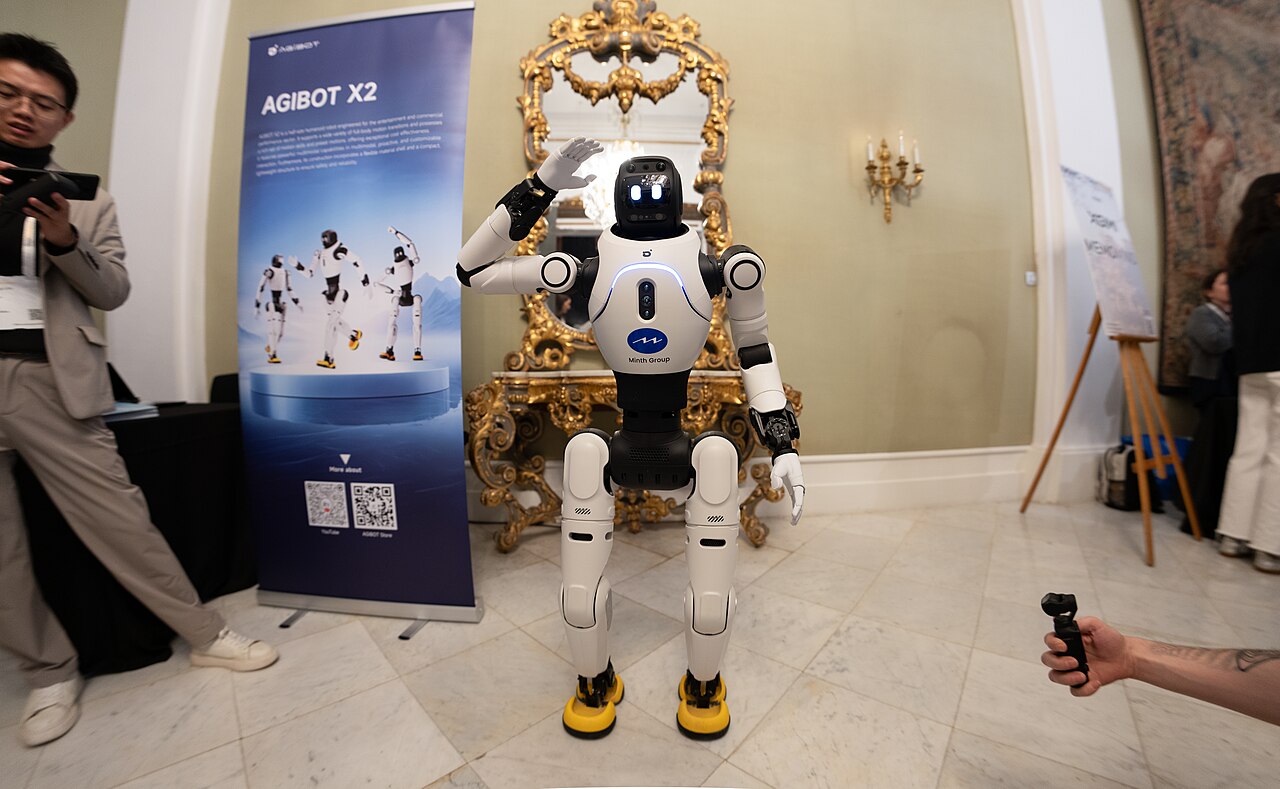
Humanoid robots are likely to enter industry through narrow inspection and logistics tasks before they become general-purpose workers. AgiBot's factory-oriented push fits that pattern: the work is structured enough to test safely, but still complex enough to reveal whether embodied AI can operate outside a demo script.
Inspection is attractive because it has repeatable routes, defined objects, measurable outcomes, and existing safety rules. A robot can check gauges, scan equipment, read visual signals, and flag anomalies without needing to master every task on a factory floor.
The First Market Is Supervised Work
The near-term opportunity is not full autonomy. It is supervised work where robots collect data, extend human reach, and handle repetitive checks. That is a much more credible path than promising that humanoids will immediately replace human operators.
This also changes how companies should evaluate robotics pilots. The right questions are uptime, intervention rate, task completion, safety incidents, maintenance load, and whether the robot improves human workflow rather than simply looking impressive.
China's Factory Base Matters
China has an advantage because it has a dense manufacturing base and many potential pilot customers. Factories can become testbeds where hardware, perception, controls, and remote operations improve together.
Topics: AgiBot, factory inspection, humanoid robots, embodied AI