Robotics
smartARM Uses Meta AI to Make Bionic Prosthetics More Intuitive
Canadian startup smartARM is using AI to improve how a bionic prosthetic interprets user intent, bringing foundation-model techniques into assistive hardware.
By Michael G ·
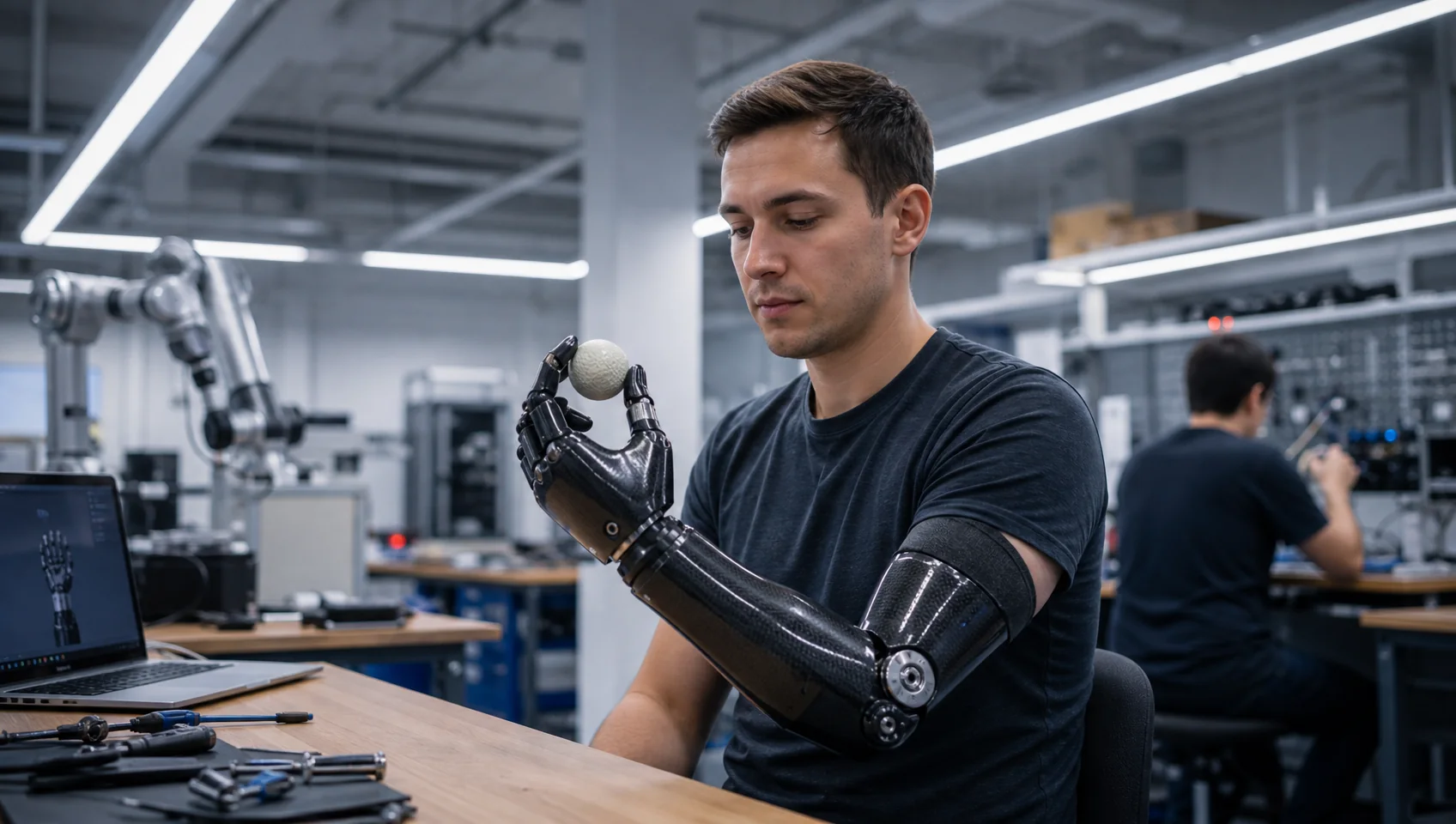
smartARM's AI-assisted prosthetic. Canadian startup smartARM is using AI to improve how a bionic prosthetic interprets user intent, bringing foundation-model techniques into assistive hardware. The development emerged in Meta's smartARM profile, placing a concrete decision, release or disclosure behind a debate that had often been discussed in broader terms.
The project aims to reduce the mental and physical effort required to control a prosthetic. Better intent recognition can make ordinary grasping and manipulation feel less like issuing commands to a machine.
What Changed
Assistive robotics has unusual evaluation requirements because comfort, reliability and personal adaptation matter alongside laboratory accuracy. A system that works for one movement pattern may not transfer cleanly to another user.
The immediate consequence is operational. Companies, policymakers and technical teams now have to translate the announcement into budgets, controls and measurable outcomes. That process usually exposes the distance between a product claim and a system that can be trusted under real workloads.
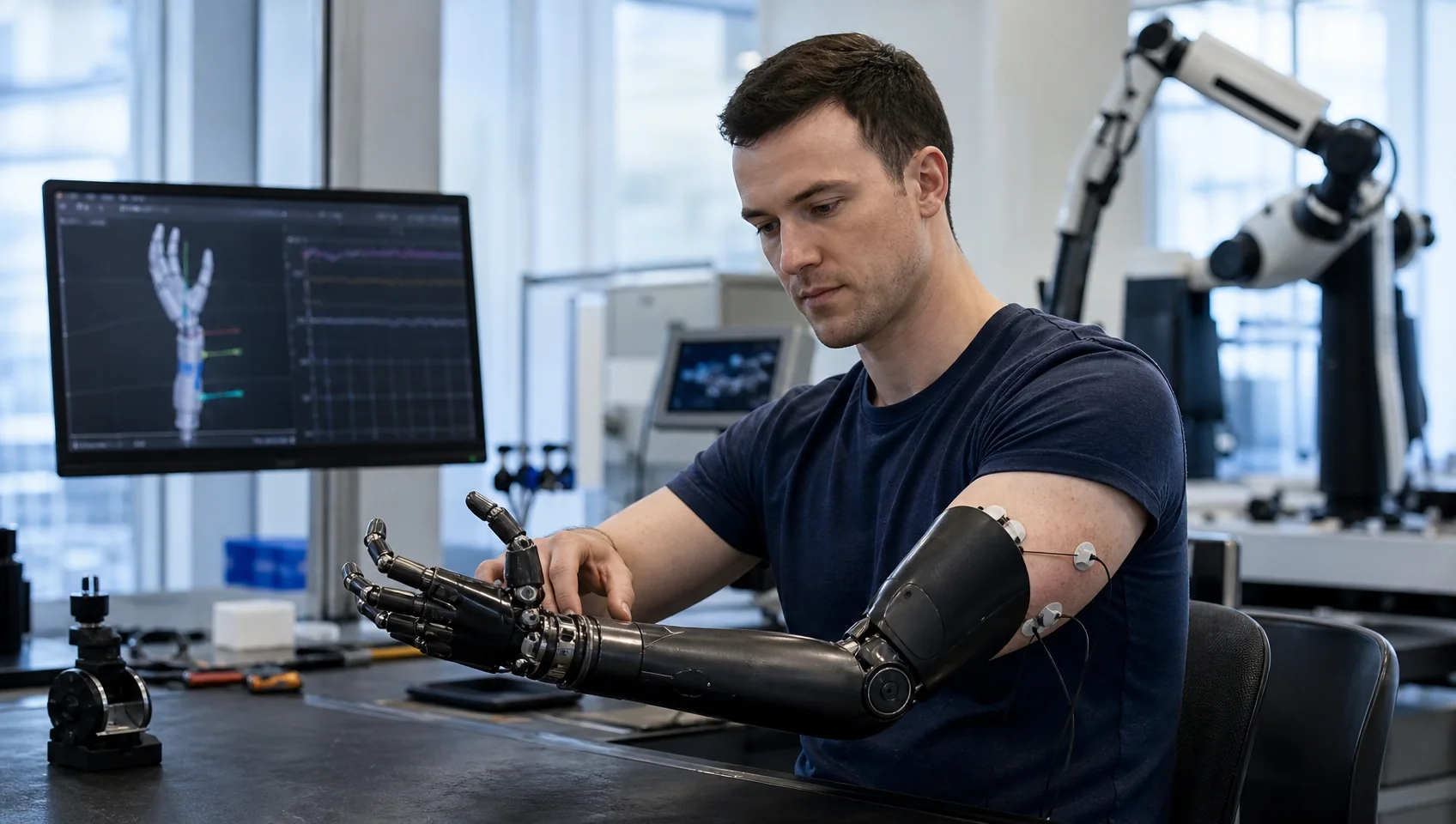
Physical AI has to survive contact with uncertain environments, not only complete a controlled demonstration. Independent stopping systems, force limits, incident logs and a clear handoff to human operators remain essential. ISO's robotics standards and NIST's robotics program provide the engineering context for evaluating those safeguards.
The hardware must also fail safely and preserve local control when connectivity is unavailable. Personal sensor data deserves strong protection because it can reveal health and behavioral information.
The Next Test
The next evidence will come from implementation rather than promises. Useful reporting should track who receives access, what safeguards are mandatory, how failures are disclosed and whether customers or the public can independently verify the claimed result.
That distinction matters because AI markets move quickly from announcement to assumption. Once a capability is treated as inevitable, procurement and policy can race ahead of the evidence. A disciplined response keeps the opportunity visible without treating uncertainty as an inconvenience.
smartARM's AI-assisted prosthetic will ultimately be judged by what changes outside the launch cycle: the work completed, the risks reduced, the costs absorbed and the people who retain authority when the system is wrong. Those are slower measurements, but they are the ones that determine whether this development lasts.
Topics: smartARM, prosthetics, Meta AI, assistive technology