Robotics
Nvidia's Cosmos 3 Edge Turns Physical AI Into A Deployment Race
Nvidia's edge-focused robotics push shifts physical AI from training demonstrations toward the difficult work of running perception and planning close to real machines.
By Michael G ·
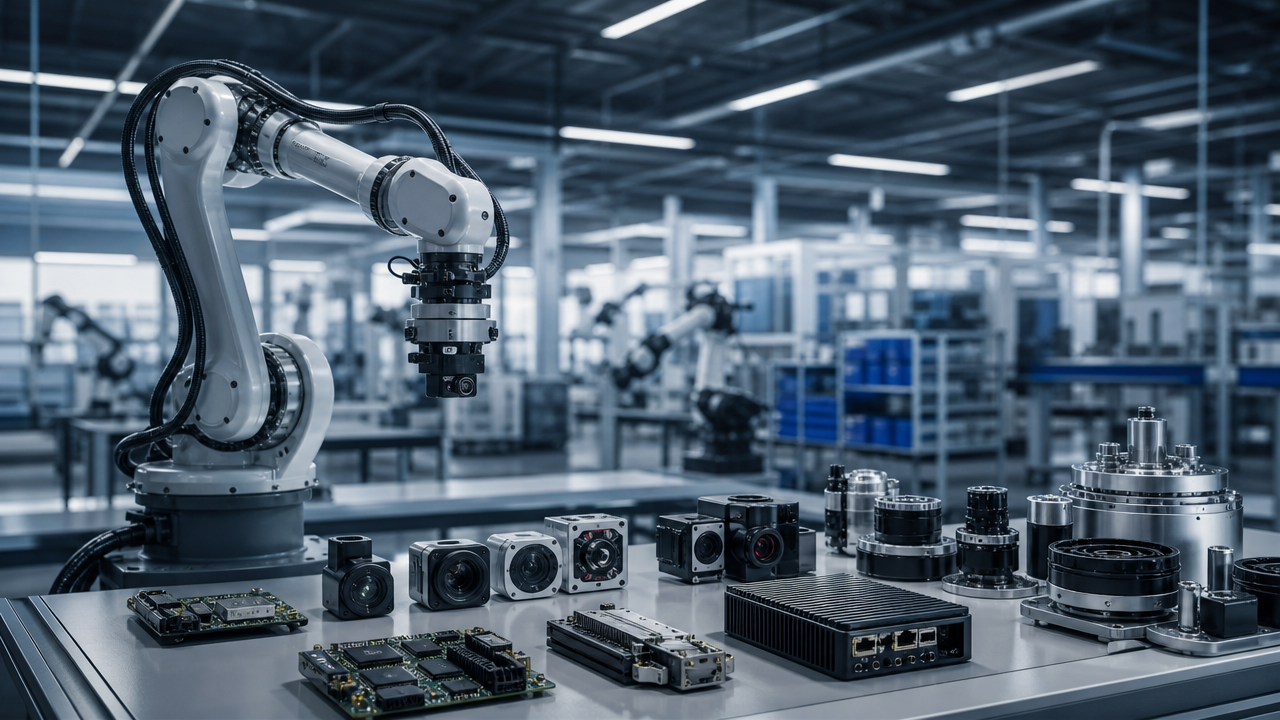
Nvidia's Cosmos 3 Edge puts a sharper focus on the hardest phase of physical AI: getting a model out of the data center and into a machine that has to perceive, decide and act under real-world constraints.
A robot on a factory floor needs predictable latency, constrained power use, reliable sensors and a safe response when confidence drops. That makes edge computing and industrial automation as important as the model behind the machine.
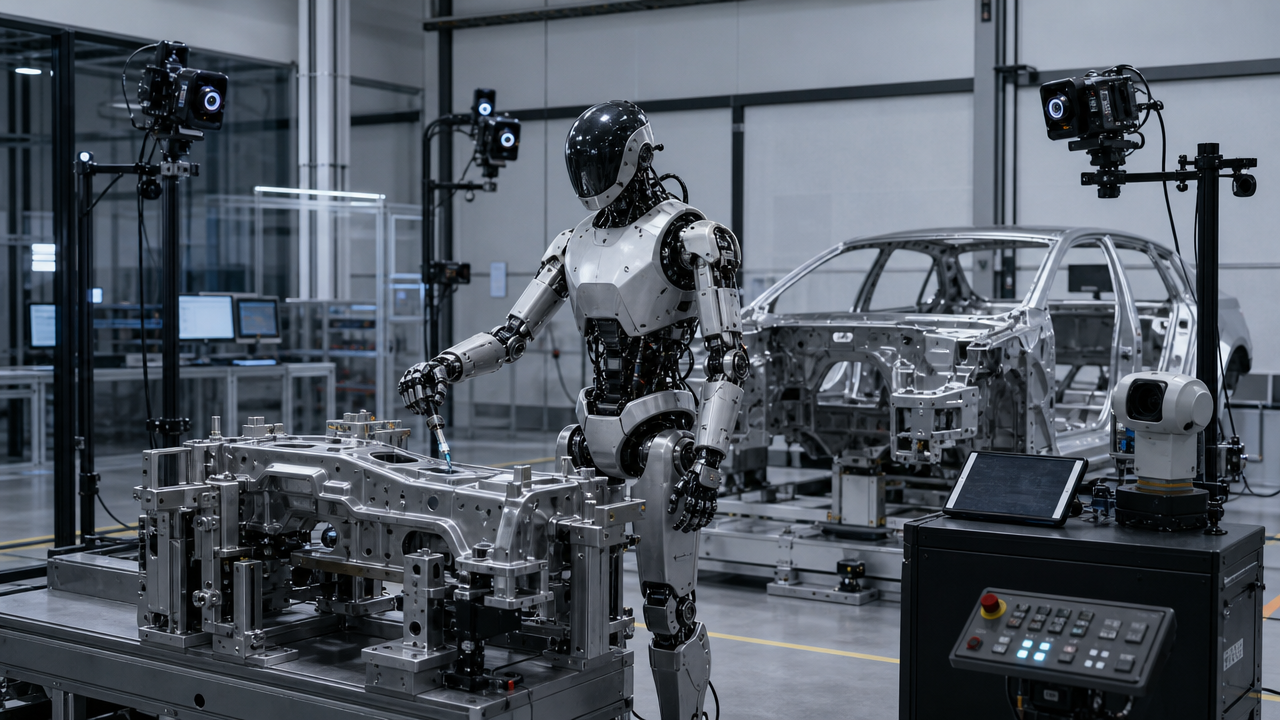
The business opportunity is broader than a single model. Manufacturers need simulation, device management, integration, safety validation and technicians who can maintain the resulting systems. The first wins will be narrow jobs that create measurable uptime.
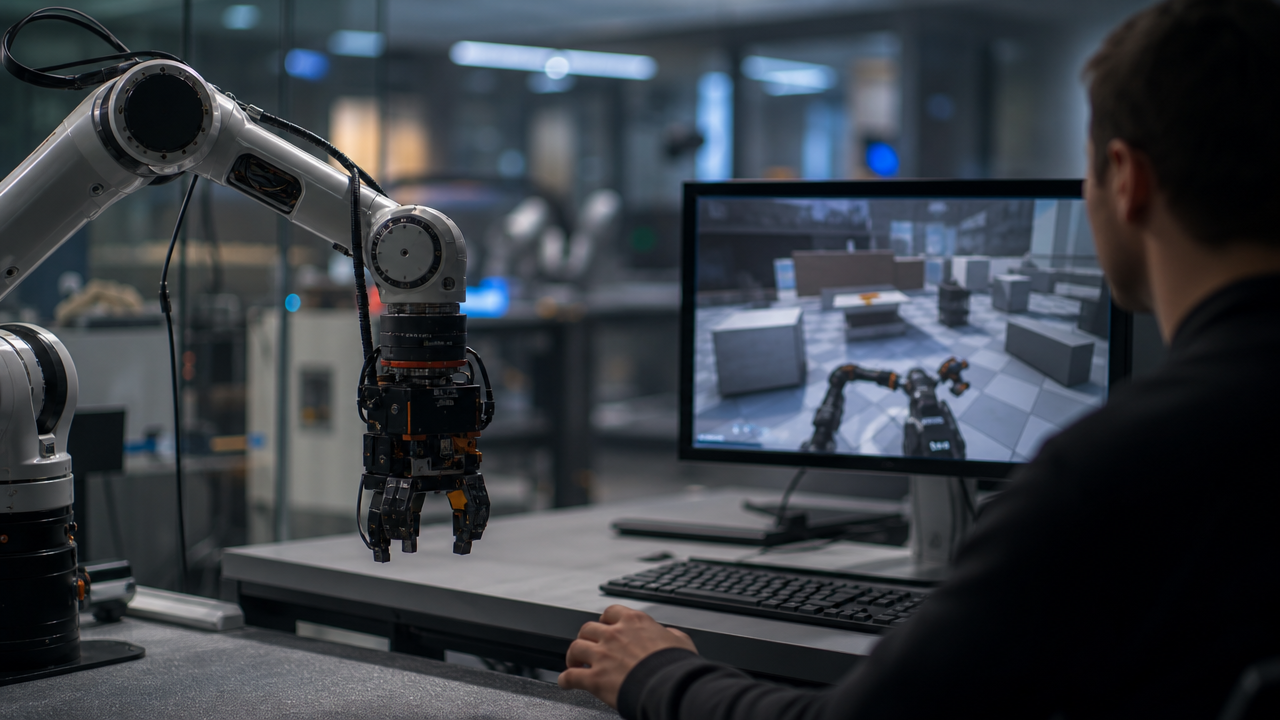
Cosmos 3 Edge is a bet that the next robotics advantage will come from closing the gap between powerful AI infrastructure and dependable local execution. The winners will be the systems that fail safely as well as they move intelligently.
Topics: Nvidia, Cosmos 3 Edge, physical AI