Robotics
Meta's AI Glasses Grants Move Wearable AI From Demo To The Job Site
Meta has awarded nearly $2 million to organizations testing AI glasses in construction, roadside repair, farming and accessibility work, placing real-world safety and usefulness ahead of another consumer gadget pitch.
By Michael C ·
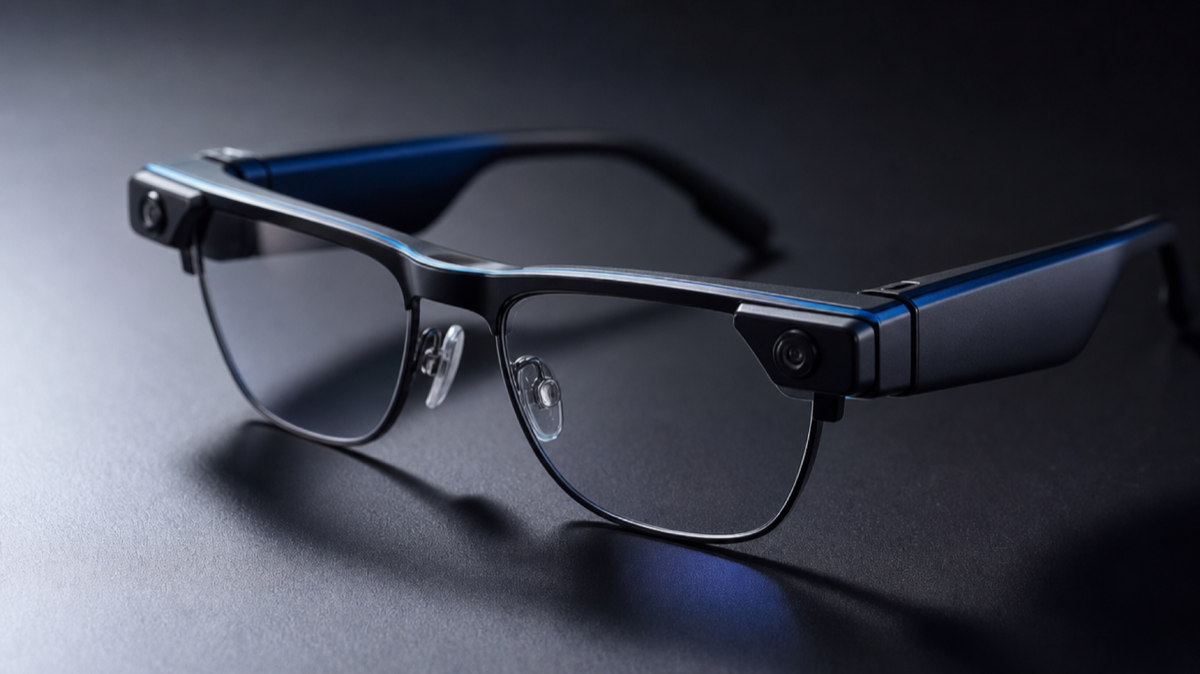
Meta has named 30 recipients for its AI Glasses Impact Grants, distributing nearly $2 million to organizations testing hands-free assistance in workplaces and daily life. The selected projects include guidance for construction trainees, roadside mechanics, rural broadband installers, farmers and people managing dementia. It is an important shift in emphasis: the value of wearable AI is being tested where a phone is awkward, unsafe or simply not enough.
These projects are still pilots, and that distinction matters. A glasses demo can make vision assistance look effortless. Workplaces impose a more demanding standard: the system has to operate in noise, uneven light, unreliable connectivity and moments when a bad instruction could cost time or cause harm. It must also make clear when it is uncertain, and it must not turn a worker into a passive observer of an opaque recommendation.

The grant recipients point to a more grounded market than the usual conversation about consumer assistants. A technician may need a repair sequence while looking under a vehicle. An installer working at height may need safety prompts without breaking concentration. A person with low vision may need real-time interpretation of a physical environment. In each case, the interface succeeds only if it adds information without demanding too much attention in return.
That creates privacy and governance questions that cannot be designed away. Glasses can observe workplaces, customers and bystanders continuously. Organizations deploying them need rules for recording, retention, consent and human review before the technology becomes routine. The fact that a system is useful does not resolve who is being watched or how the resulting data may be used.
Meta's grants will be worth following because they offer a clearer measure than sales hype. The useful outcomes will be specific: fewer mistakes, safer shifts, greater independence or tasks completed faster without new risks. Wearable AI becomes credible not when it can narrate the world, but when people can rely on it in the real one.
Topics: Meta, AI glasses, accessibility, wearables