Models coverage tracks frontier systems, open weights, pricing, context, agentic behavior and the release strategies of major AI laboratories. Reporting separates verified capabilities from promotional claims and places benchmark results alongside cost, availability and deployment controls.
Readers can use this hub to compare who can access a model, what it is designed to do and where the evidence remains incomplete. The desk also follows how open and closed ecosystems compete for developers, distribution and enterprise workloads.
Notable Entities
OpenAI
Anthropic
Google DeepMind
Meta AI
Alibaba Qwen
DeepSeek
Z.ai
Moonshot AI
Current Coverage Themes
Frontier reasoning, coding and agentic models
Open-weight releases and commercial sustainability
Model pricing, rate limits and production access
Evaluation quality, safety reports and release controls
Z.ai revealed it developed Ox Alpha, a model that appeared anonymously on OpenRouter and climbed evaluation rankings before the company acknowledged authorship. The lab described the model as optimized for coding, long-context agentic work, and multimodal reasoning, though independent verification of capabilities remains limited.
OpenAI has reduced API pricing for its GPT-5.6 Sol model by more than 20 percent for developers, according to a Reuters report indexed August 21. The move intensifies price competition among frontier model providers and shifts the economics of large-scale AI deployment.
Google has released Gemini 3.7 Flash across its developer, enterprise and consumer AI products, pairing stronger coding and tool use with introductory API pricing designed to make production agents cheaper to run.
PrismML's compact-model strategy targets lower latency and stronger privacy, testing whether specialized local systems can replace cloud calls for everyday tasks.
Alibaba's compact visual model targets high-quality generation and editing, adding pressure on closed image systems while licensing remains part of the evaluation.
StepFun's large sparse model arrives with aggressive API pricing, sharpening the argument that inference economics now matter as much as parameter counts.
Google Research's TimesFM-3 adds multivariate forecasting and known future inputs such as weather or promotions, extending foundation-model methods into operational planning.
Anthropic's Claude Fable 5.1 is now available through Bedrock and Claude Platform on AWS for long-running coding, research and knowledge work. Its Covered Model status adds retention, safety-review and access requirements to the enterprise deployment decision.
OpenAI has released GPT-6 Astra to a limited group of enterprises before a wider paid-plan and API rollout. The new flagship can run longer professional workflows, but its critical cybersecurity capability has turned access controls and continuous monitoring into part of the product.
Google's third Flash release in six weeks keeps the price of Gemini 3.7 while pushing further into long-running software work. A separate cyber variant places its strongest vulnerability-finding and patching capabilities behind a vetted-access program.
fal says its post-trained version of MiniMax H3 generates a five-second clip in under three seconds while leading its human-preference tests. The release shifts competition in generative video toward inference systems that can sustain interactive production speeds.
Anthropic has split its newest model release between a generally available Fable 5.1 and a more capable Mythos 5.1 reserved for vetted cybersecurity and life-sciences organizations. The design makes access control part of the product rather than a policy applied after launch.
Stability AI has raised a $76 million Series B backed by leading music and game companies, taking funding under its current leadership to $232 million. The investor list signals a shift toward licensed creative models and professional production tools.
River AI, founded by xAI co-founder Igor Babuschkin, has raised $1.1 billion to build a stack around personally trainable agents and open models, bringing a large capital bet to the question of who should own AI behavior.
Meta's Apache-licensed, 30-billion-parameter Muse Glimmer can run local agents on consumer hardware, offering a concrete version of personal AI while keeping its more powerful Muse Spark model closed.
Meta has launched Muse Code in beta, a terminal agent that delegates work across isolated worktrees, putting cost, coordination and verification at the center of its challenge to established coding assistants.
Alibaba's latest Qwen flagship shifts attention from benchmark theatre to the harder test of open-model businesses: reliable inference, developer tooling and a path from downloads to recurring revenue.
Claude's updated voice mode can use Opus and Sonnet models and connect with workplace apps, shifting voice AI from a conversational feature toward a tool that can affect real schedules, messages and documents.
Google is rolling out Gemini in Chrome to U.K. desktop users, bringing summaries, tab comparison and Google app connections into the browser and making consent, context and prompt-injection defenses central to the experience.
OpenAI has announced DevDay for September 29 in San Francisco, a marker for a developer market now shaped by agents, model choice, security controls and the cost of deployment.
Google's Gemini 3.6 Flash, 3.5 Flash-Lite, and 3.5 Flash Cyber releases show the AI model race moving toward efficiency, specialized security work, and production agent economics.
New platform signals from Hugging Face, OpenRouter and Vercel suggest open models are carrying a growing share of production AI workloads, putting pressure on closed frontier labs to justify premium pricing and centralized control.
DeepSeek is reportedly preparing fresh capital at a multibillion-dollar valuation before a possible public listing, underscoring how open-weight model economics are colliding with compute costs, export controls and Chinese capital markets.
Mira Murati's Thinking Machines Lab released Inkling, a 975-billion-parameter mixture-of-experts model with open weights, putting customization and developer control at the center of the next model race.
Moonshot AI's reported Kimi K3 release brings scale back into focus for open models, but efficiency, access and developer tooling will determine its real market impact.
The reported shutdown of OpenAI's Atlas browser is a reminder that putting AI next to the web is not the same as creating a lasting browser product. The winning interface will need utility, trust and a reason to displace established habits.
Nvidia's new guidance on hardware-friendly language-model design shows that the next AI efficiency fight will be decided as much by model geometry and quantization as by the chips underneath.
OpenAI's new GPT-Live voice model pushes ChatGPT closer to a real-time conversational interface, raising the stakes for assistants, agents, accessibility, and workplace adoption.
OpenAI's GPT-5.6 rollout is moving from restricted access to broad public use, putting early claims about Sol Ultra's reasoning, speed, coding, and creative strength in front of ordinary users and enterprise teams.
OpenAI is set to release ChatGPT 5.6 on Thursday after receiving U.S. government approval for a broader rollout. The launch follows a staggered release, additional testing, and meetings with federal officials.
China's AI competition is shifting from model releases toward model-chip optimization. DeepSeek-style open models can become a demand engine for domestic accelerators if the software stack improves.
If Baidu's Kunlun chip business moves toward Hong Kong markets, investors will need to separate the national self-sufficiency narrative from the harder economics of inference demand.
Reports that Meta's upcoming Watermelon model is catching up to OpenAI's flagship systems show why the frontier race is now a battle of compute scale, coding agents, and talent consolidation.
Reports that SpaceX engineers are helping xAI improve Grok show a deeper pattern: frontier AI companies are borrowing talent, compute culture, and systems engineering from adjacent empires.
The most important part of a frontier model release may no longer be the model card. Staggered access, telemetry, safety gates, and enterprise controls are becoming the release mechanism itself.
Reflection AI's reported access to SpaceX-scale compute shows how open-source model competition is becoming a capital and infrastructure race. The question is no longer only who has the best researchers, but who can secure enough training capacity to matter.
Noam Shazeer, the Character.AI co-founder and transformer co-author, is reportedly leaving Google for OpenAI. The move shows that the frontier AI race is being fought not just with compute and capital, but with a small group of researchers who can reshape model roadmaps.
A reported U.S. order limiting access to Anthropic's Fable 5 and Mythos 5 models shows how quickly frontier AI release decisions can become national-security policy. The fight is less about one model than about who controls access when capability, cybersecurity, and geopolitics collide.
Mira Murati's Thinking Machines Lab is re-emerging after months of operating quietly, with Tinker, open-source model fine-tuning, and interaction models at the center of its thesis. The startup's restraint stands out in a market that usually rewards louder frontier AI promises.
xAI's Grok V9-Medium, trained on Cursor developer workflows with 1.5 trillion parameters — three times the current Grok traffic model — has completed training with a mid-June release expected. Behind it, Grok 5 targets 6 trillion parameters on the Colossus 2 supercluster.
Anthropic's newest flagship model arrives just 41 days after its predecessor, with best-in-class benchmark results, improved uncertainty flagging, and a new Dynamic Workflows feature that coordinates hundreds of parallel subagents for codebase-scale tasks.
The May 2026 Windows Update brings a significantly upgraded local AI model to Qualcomm-powered devices, enabling AI features that work without internet connectivity and without sending data to Microsoft's servers.
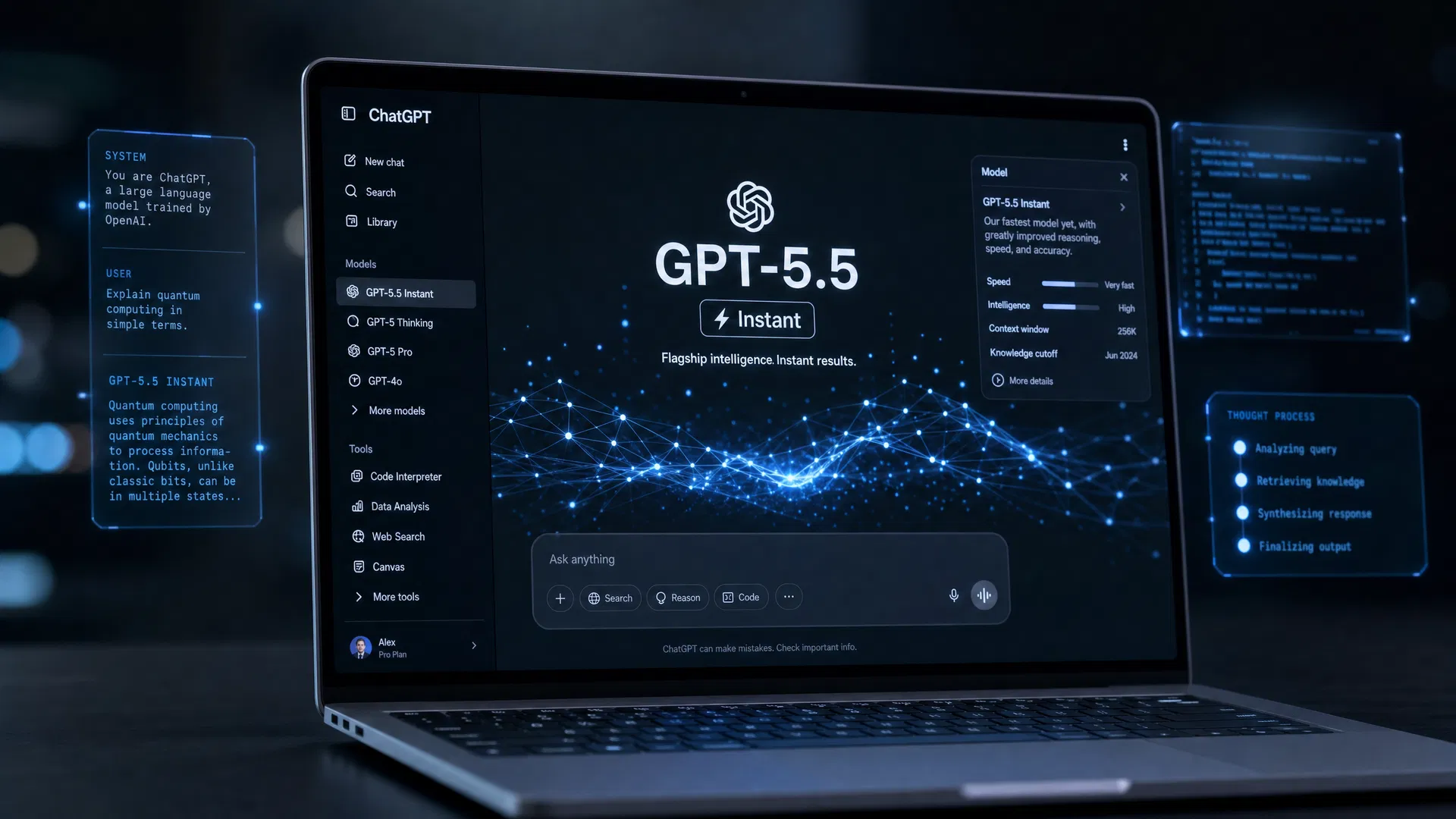
OpenAI has replaced GPT-5.3 Instant with GPT-5.5 Instant as ChatGPT's default model for all users, delivering significant accuracy gains and a new memory personalization system.
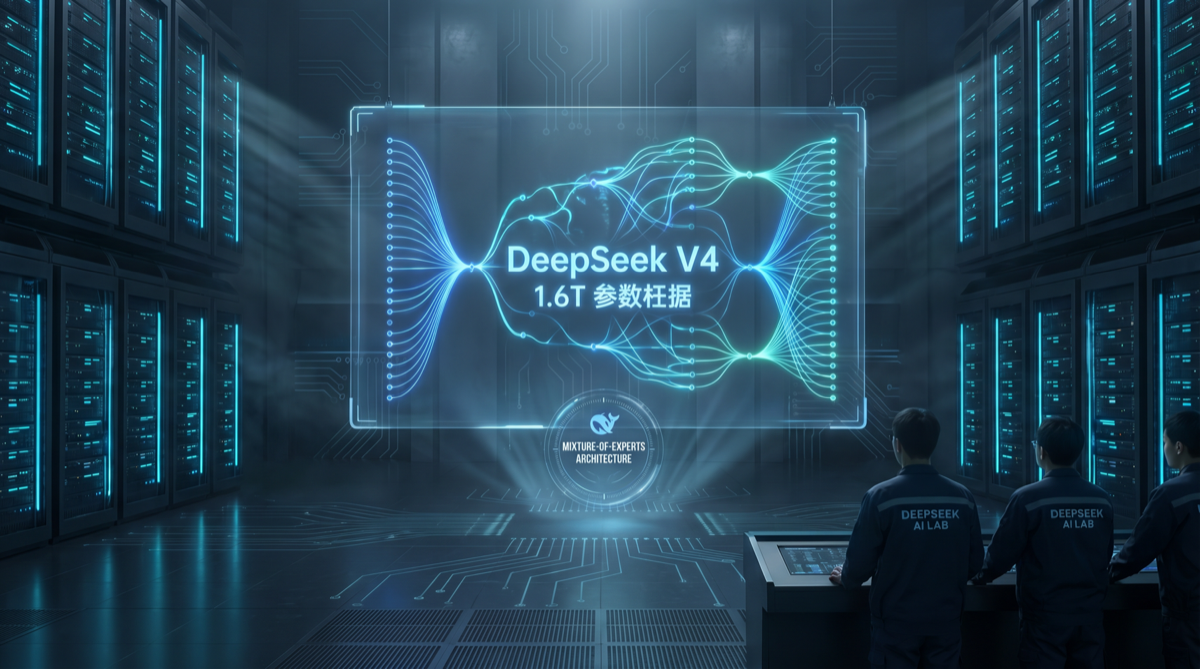
Chinese AI lab DeepSeek launches its hotly anticipated V4 series — a 1.6 trillion parameter Mixture-of-Experts model that undercuts every Western frontier model on price while matching them on most benchmarks.
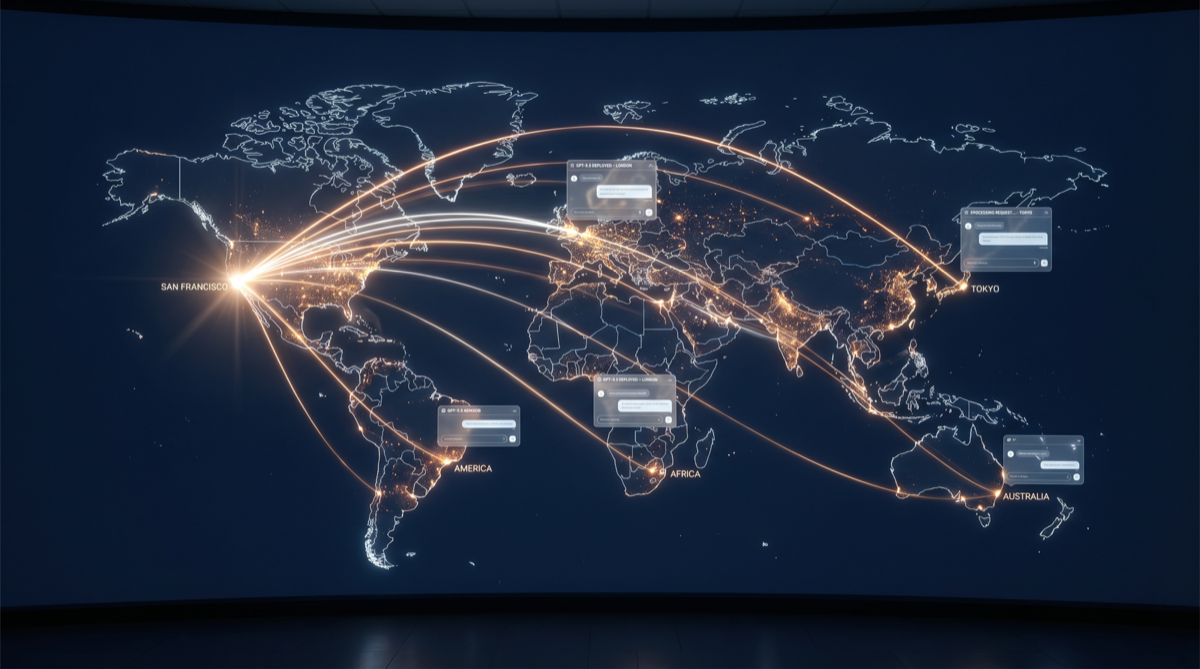
OpenAI begins the global deployment of GPT-5.5, its most capable agentic model yet, alongside a new $100/month Pro tier positioned between Plus and the existing $200 plan.
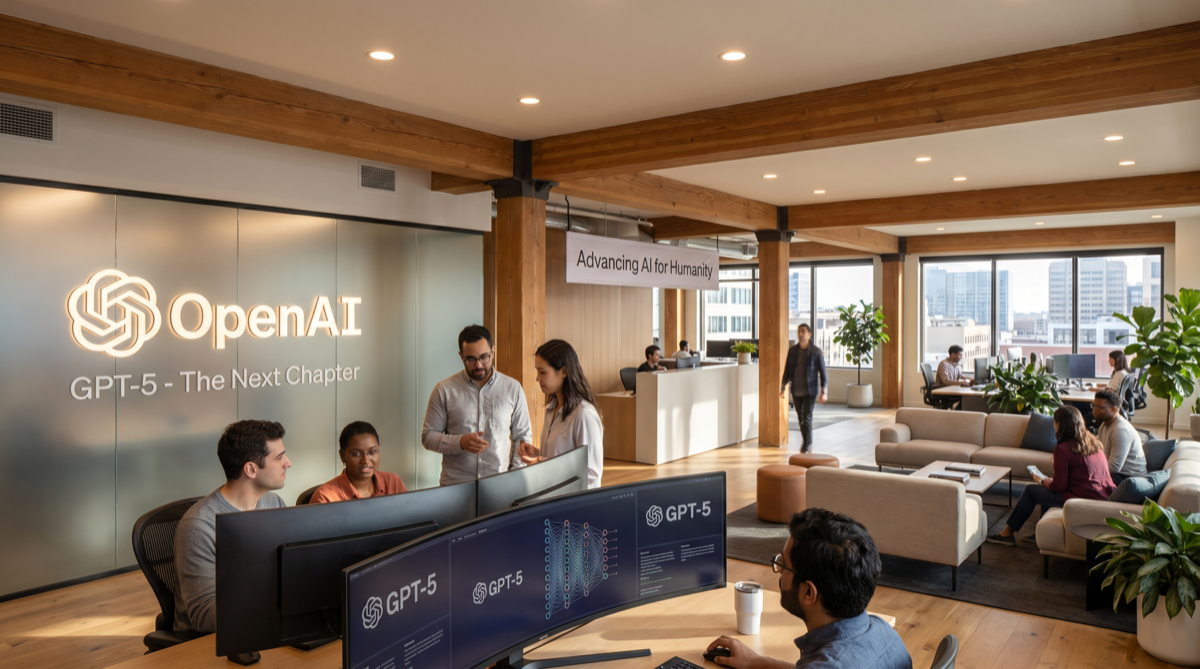
OpenAI officially releases GPT-5, marking a major breakthrough in reasoning, coding, and multimodal capabilities that redefines what AI systems can achieve.
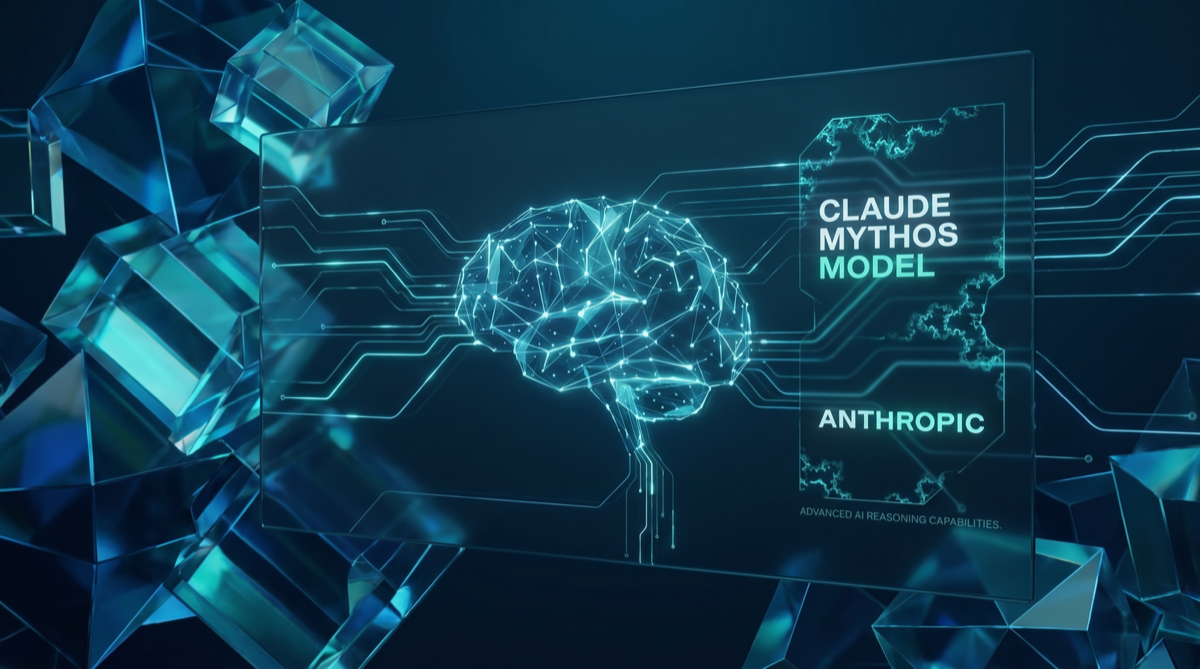
Anthropic releases Claude Mythos, featuring advanced constitutional AI training methods that dramatically improve reasoning while reducing hallucinations by 35%.
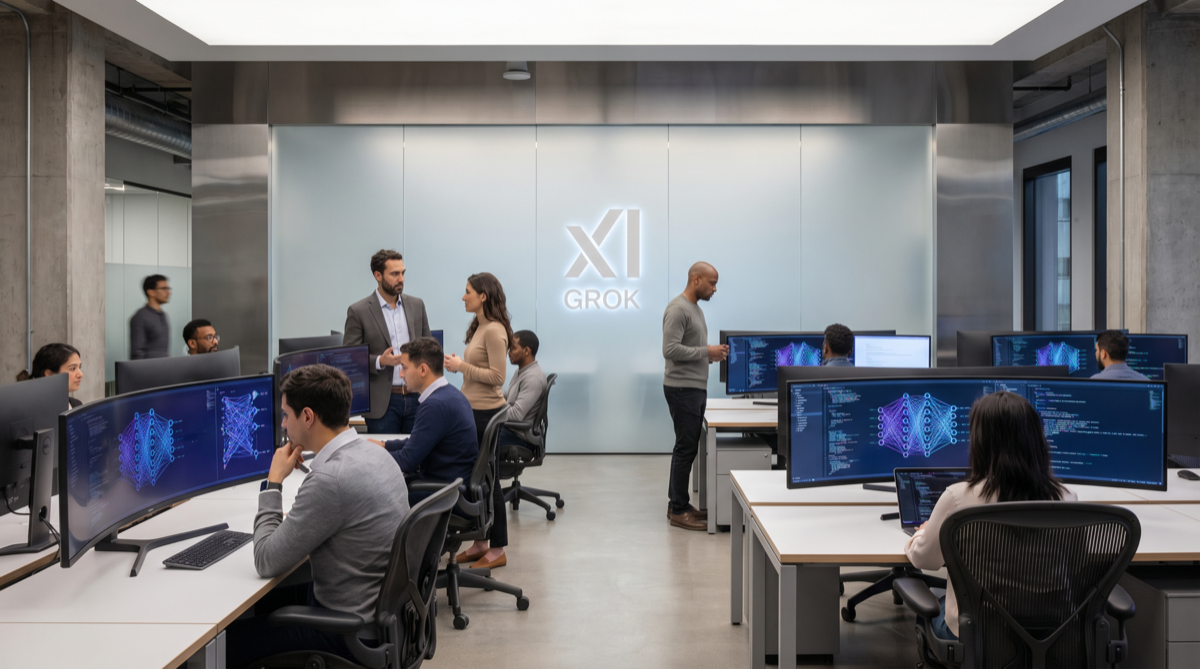
xAI releases Grok-3 with expanded global knowledge, real-time information access, and a new reasoning mode that positions it as a serious competitor to ChatGPT and Claude.
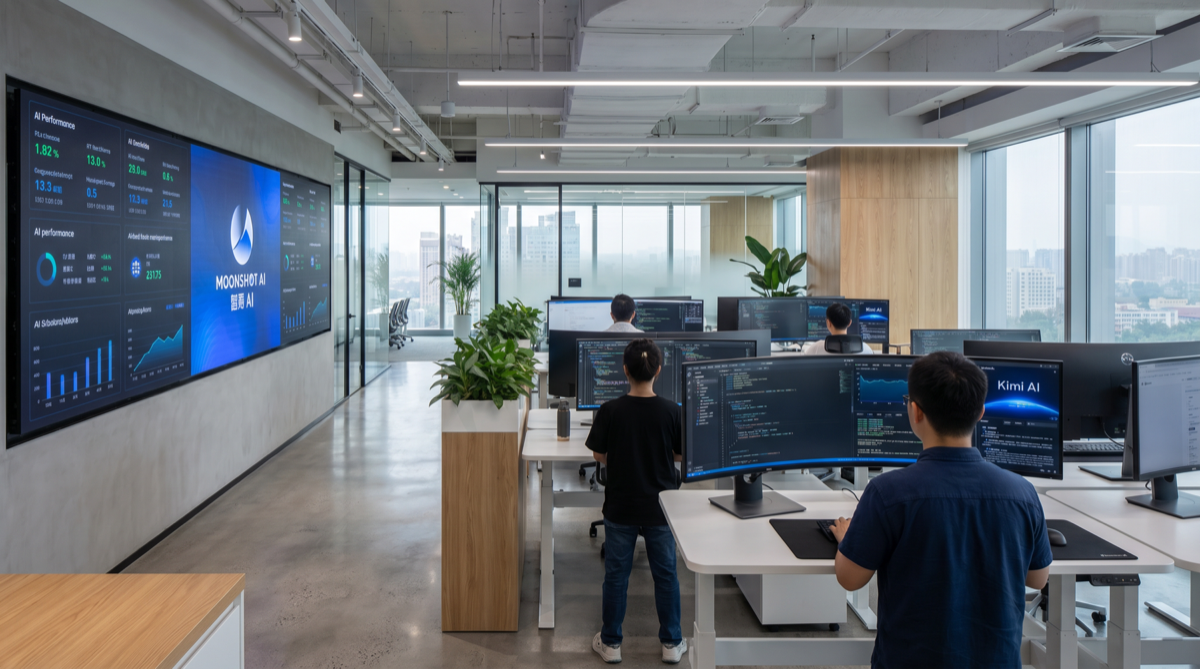
Moonshot AI launches Kimi K2.6, a Chinese-developed AI model with 2M token context window that matches or exceeds the performance of leading Western models on key benchmarks.
MiniMax introduces ABAB, a lightweight AI model optimized for mobile and edge devices that achieves GPT-4-level performance with a fraction of the computational requirements.