Models
Google Releases TimesFM-3 for Multivariate Forecasting
Google Research's TimesFM-3 adds multivariate forecasting and known future inputs such as weather or promotions, extending foundation-model methods into operational planning.
By Michael G ·
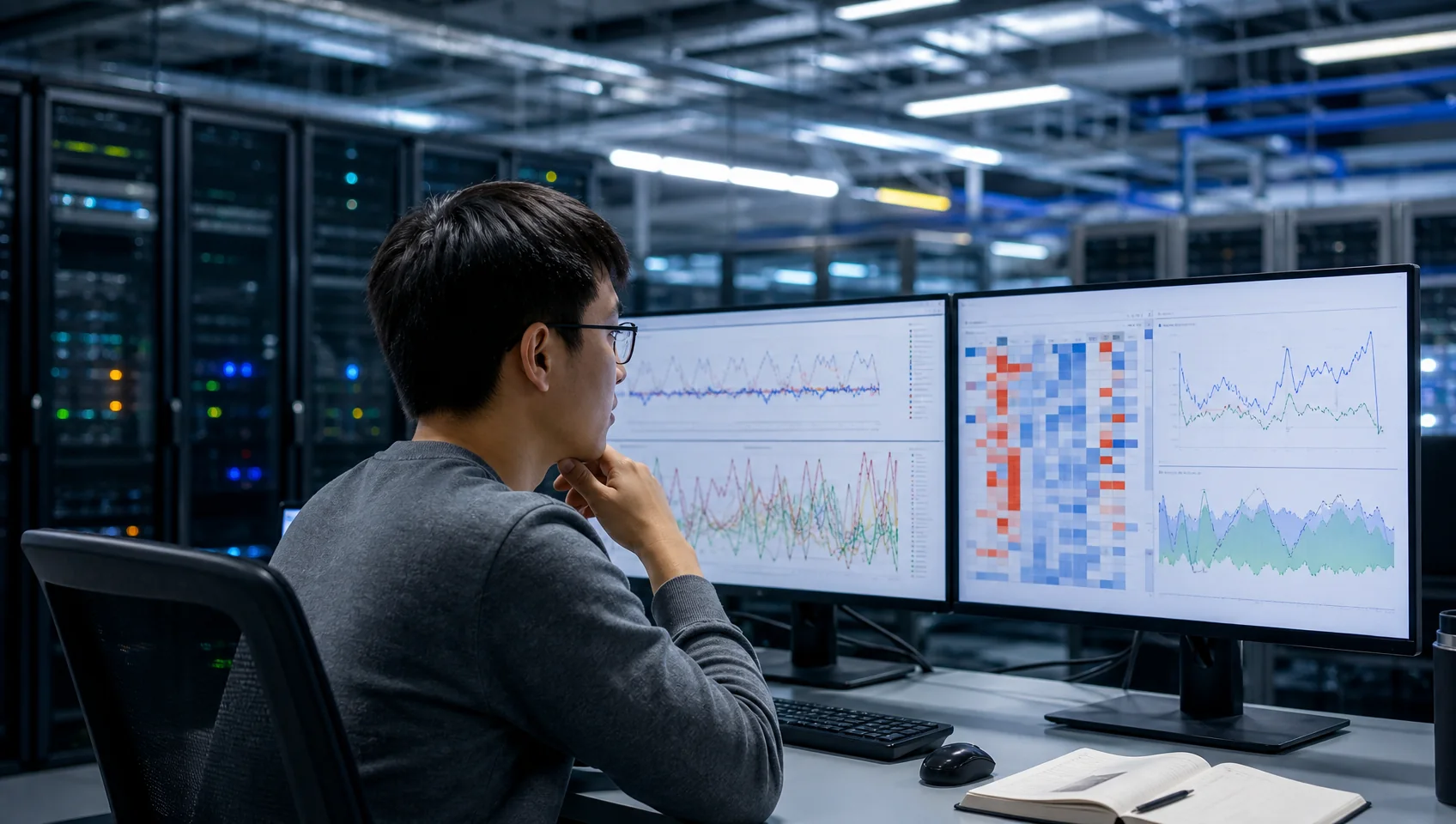
Google's TimesFM-3 release. Google Research's TimesFM-3 adds multivariate forecasting and known future inputs such as weather or promotions, extending foundation-model methods into operational planning. The development emerged in Signal Diff's September 12 briefing, placing a concrete decision, release or disclosure behind a debate that had often been discussed in broader terms.
The model is designed to forecast several related variables together rather than treating each time series as isolated. That matters in retail, energy and logistics, where demand moves with weather, prices and calendar events.
What Changed
Foundation forecasting can reduce the need to train a separate model for every series, but production accuracy still depends on data quality, regime changes and whether future covariates are themselves reliable.
The immediate consequence is operational. Companies, policymakers and technical teams now have to translate the announcement into budgets, controls and measurable outcomes. That process usually exposes the distance between a product claim and a system that can be trusted under real workloads.

Model comparisons need more than a leaderboard score. Buyers should examine task success, latency, total inference cost, failure recovery and the conditions under which an evaluation was run. The Stanford AI Index and MLCommons benchmarks provide useful context, but production testing remains the decisive measure.
Teams should compare the model with strong statistical baselines and measure error by business consequence. A small average gain can hide expensive misses during peaks or unusual events.
The Next Test
The next evidence will come from implementation rather than promises. Useful reporting should track who receives access, what safeguards are mandatory, how failures are disclosed and whether customers or the public can independently verify the claimed result.
That distinction matters because AI markets move quickly from announcement to assumption. Once a capability is treated as inevitable, procurement and policy can race ahead of the evidence. A disciplined response keeps the opportunity visible without treating uncertainty as an inconvenience.
Google's TimesFM-3 release will ultimately be judged by what changes outside the launch cycle: the work completed, the risks reduced, the costs absorbed and the people who retain authority when the system is wrong. Those are slower measurements, but they are the ones that determine whether this development lasts.
Topics: Google, TimesFM, forecasting, foundation models