Models
Noam Shazeer Joining OpenAI Turns The AI Talent War Into A Founders' Draft
Noam Shazeer, the Character.AI co-founder and transformer co-author, is reportedly leaving Google for OpenAI. The move shows that the frontier AI race is being fought not just with compute and capital, but with a small group of researchers who can reshape model roadmaps.
By Patrick T ·

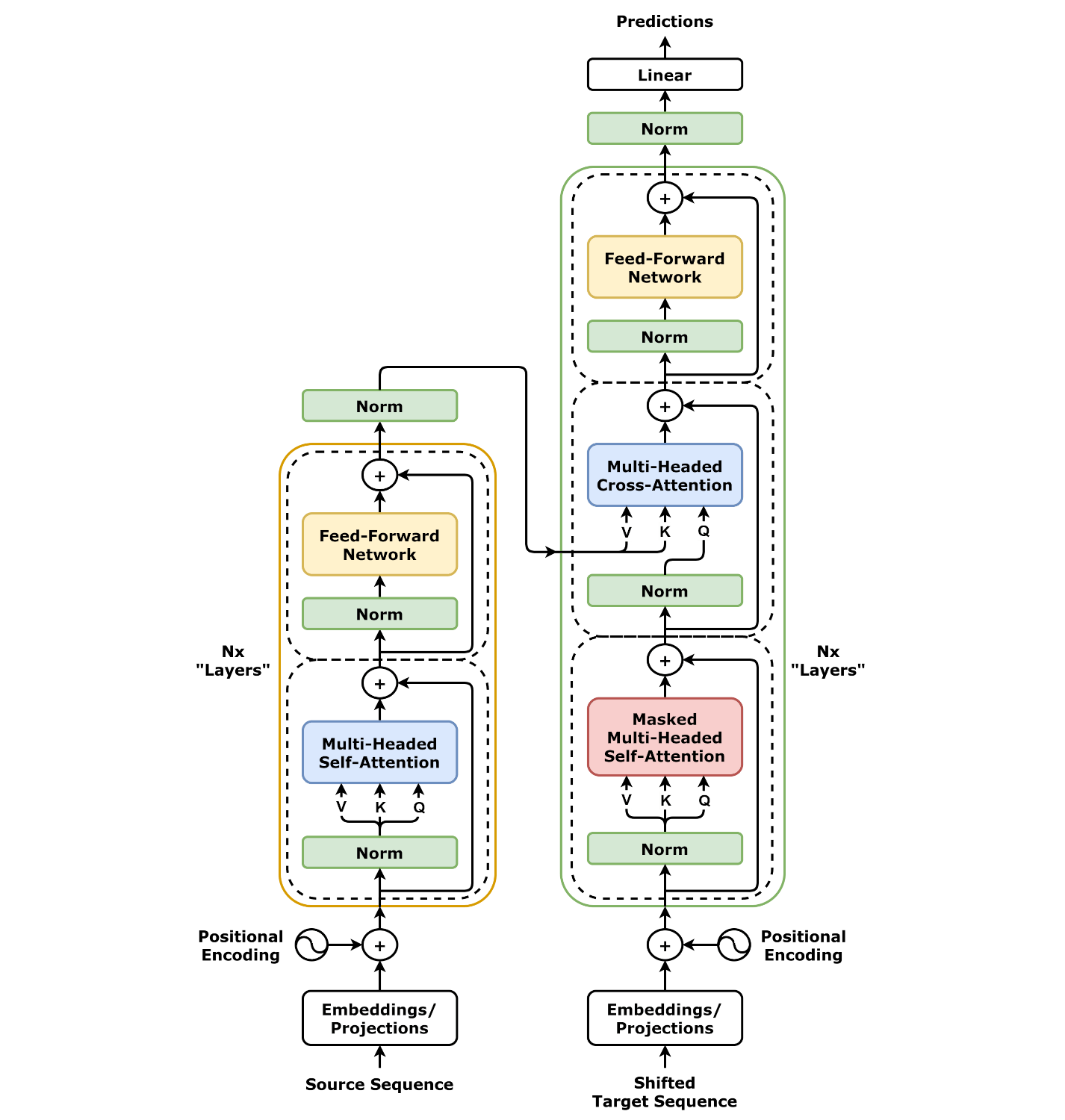
Noam Shazeer is reportedly leaving Google for OpenAI, according to Business Insider, turning one of the industry's most watched AI talent stories into a fresh competitive signal. Shazeer is not a generic senior hire. He co-founded Character.AI, helped build Google's conversational AI work, and was one of the authors of the transformer paper that became the foundation of modern large language models.
The move matters because Google had already paid heavily to bring Shazeer back into its orbit through the 2024 Character.AI licensing and talent arrangement. If he is now moving to OpenAI, the message is simple: frontier AI companies are drafting individuals with almost the same intensity they draft chips, cloud contracts, and training data.
Talent Is Strategic Infrastructure
The AI labor market has always been tight, but the current phase is different. A small group of researchers and product builders can influence model architecture, post-training strategy, conversational behavior, agent tooling, and consumer distribution. That makes talent a strategic asset rather than an ordinary operating expense.

For OpenAI, Shazeer's experience is especially relevant to the consumer interface layer. Character.AI proved that people will form long, sticky relationships with AI personalities when the product feels responsive, entertaining, and emotionally legible. That is a different skill from building a benchmark-leading model, but it may be just as important if ChatGPT keeps moving toward a super-app role.
Google's Harder Problem
For Google, the risk is not that one departure breaks Gemini. The risk is symbolic. Google invented much of the technical foundation behind the current AI boom, yet rivals keep converting former Google researchers into competing products. The company has world-class infrastructure and talent, but the market keeps asking whether its best ideas become products quickly enough.
The talent war also creates governance questions. When a handful of people carry deep tacit knowledge about model behavior, safety tradeoffs, and product direction, their movement between labs can shift not only capability but institutional culture. That is why AI hiring now resembles industrial policy by other means.
The Founders' Draft
Topics: OpenAI, Google, Noam Shazeer, Character.AI