Models
xAI Pulling SpaceX Engineers Into Grok Shows The Talent War Has Become Operational
Reports that SpaceX engineers are helping xAI improve Grok show a deeper pattern: frontier AI companies are borrowing talent, compute culture, and systems engineering from adjacent empires.
By Patrick T ·

Reports that SpaceX engineers are helping xAI improve Grok show how the AI talent war is becoming operational. Frontier AI companies do not only need researchers who can tune models. They need people who can build high-reliability systems, move quickly under pressure, and make messy infrastructure work at scale.
That is where SpaceX is strategically useful. The company has spent years building a culture around hardware-software integration, telemetry, simulation, launch operations, and rapid iteration. Those habits map surprisingly well onto frontier AI, where model behavior, serving systems, data pipelines, and product feedback loops must be coordinated constantly.
AI Needs Systems Engineers
The public tends to imagine model progress as a research breakthrough. In practice, the release of a useful AI product depends on evaluation infrastructure, latency budgets, cost controls, data quality, safety systems, and incident response. That is systems engineering, not just machine learning.
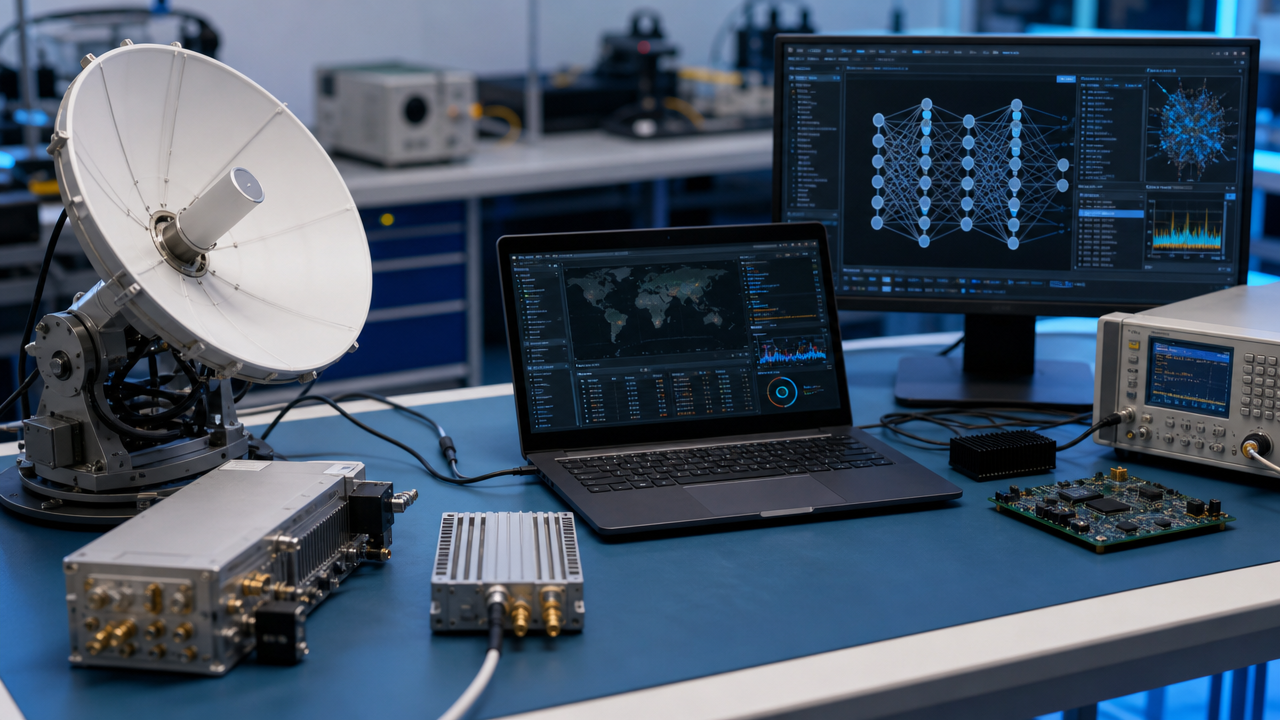
For xAI, the advantage is that Elon Musk controls adjacent assets: X for distribution and real-time data, SpaceX for engineering culture and satellite infrastructure, Tesla for embedded AI experience, and a broader ecosystem that can test models in consumer, industrial, and mobility contexts.
The Risk Of Borrowed Attention
There is also a management risk. Pulling engineers across companies can create velocity, but it can also blur priorities. SpaceX, Tesla, X, and xAI are all demanding businesses. The more the AI race becomes an all-hands emergency, the more important governance, accountability, and boundaries become.
Topics: xAI, Grok, SpaceX, AI talent