Models
A Baidu Kunlun Listing Would Test China's AI Chip Self-Sufficiency Story
If Baidu's Kunlun chip business moves toward Hong Kong markets, investors will need to separate the national self-sufficiency narrative from the harder economics of inference demand.
By Michael G ·
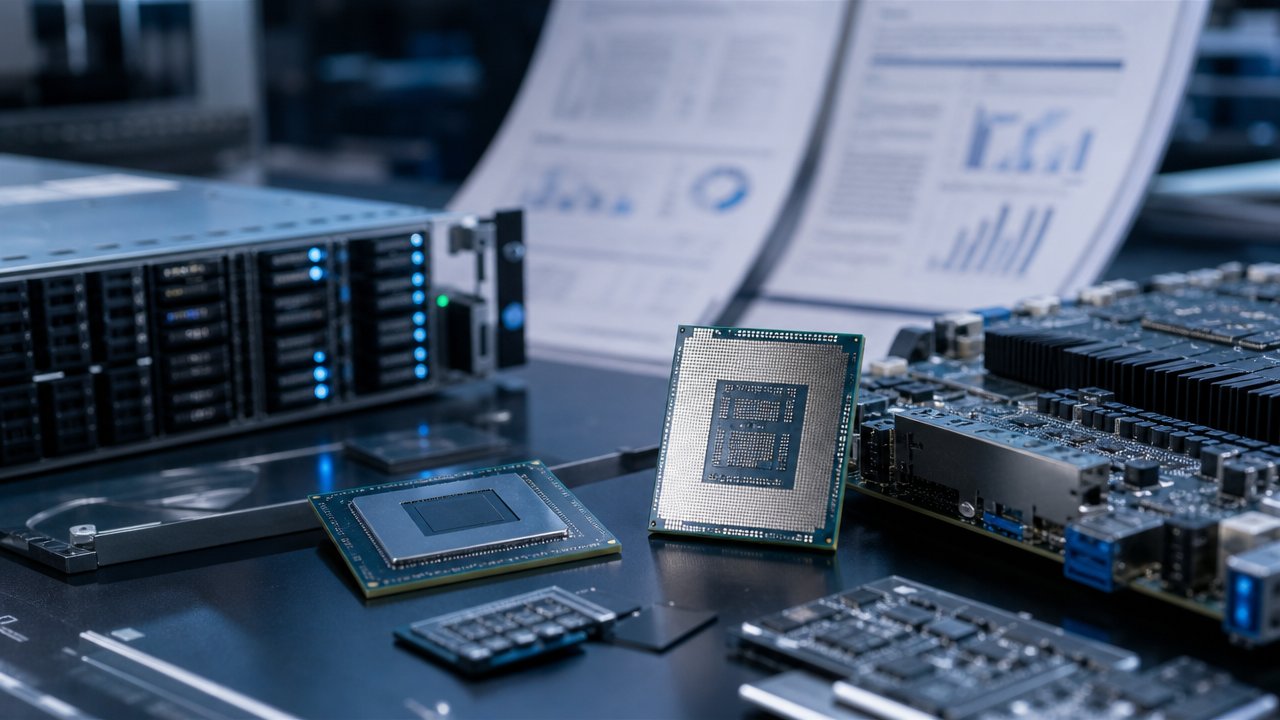
A potential capital-market path for Baidu's Kunlun AI chip business would test one of China's most important AI narratives: self-sufficiency in compute. The story is powerful, but investors will need to separate strategic need from commercial proof.
The strategic logic is clear. China wants more domestic options for training and inference, especially as export controls limit access to the most advanced foreign accelerators. But a chip business is not valued only by national importance.
Inference May Be The Real Market
The near-term opportunity may be inference rather than frontier training. As companies place AI into search, customer service, document processing, coding, and agentic workflows, the cost of serving models repeatedly becomes a durable spending category.
A domestic accelerator does not need to beat the best global GPU in every benchmark to matter. It needs to be available, reliable, integrated into software stacks, and cost-effective for specific workloads.
Investors Need Technical Disclosure
If Kunlun reaches Hong Kong investors, the key disclosures should include shipment volumes, cloud customers, supported model types, software compatibility, gross margins, manufacturing constraints, and dependence on Baidu's own workloads.
Topics: Baidu, Kunlun, AI chips, Hong Kong IPO