Models
xAI's Grok V9 Finishes Training — A 1.5-Trillion-Parameter Shot at Claude's Coding Crown
xAI's Grok V9-Medium, trained on Cursor developer workflows with 1.5 trillion parameters — three times the current Grok traffic model — has completed training with a mid-June release expected. Behind it, Grok 5 targets 6 trillion parameters on the Colossus 2 supercluster.
By Michael G ·

xAI has completed training on Grok V9-Medium, a 1.5-trillion-parameter model that represents a threefold increase over the current Grok traffic model and a direct challenge to Anthropic's Claude in the coding assistant market. The model is expected to reach public release in mid-June 2026, according to sources familiar with the company's roadmap. The training run was conducted on xAI's Memphis data centre infrastructure and incorporated developer workflow data from Cursor, the AI-powered code editor that has become the dominant tool for professional software engineers.
The decision to train on Cursor workflow data is a deliberate strategic choice. Claude 3.7 Sonnet, Anthropic's current flagship, has established a commanding lead in coding benchmarks and is the model most Cursor users select by default. By training Grok V9 on the same developer workflows that Claude currently dominates, xAI is attempting to close the gap not through general capability improvement but through domain-specific optimisation — a faster path to competitive parity in the market segment that generates the most commercial value per token.
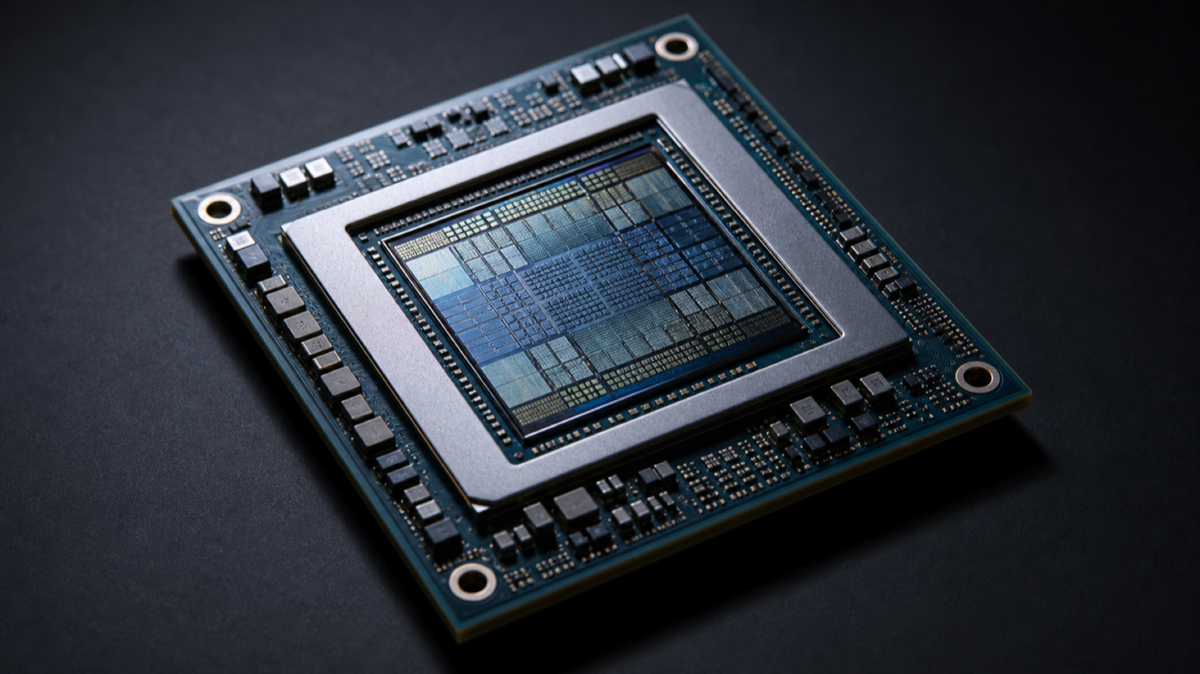
Behind Grok V9 in xAI's pipeline is Grok 5, a significantly more ambitious model targeting 6 trillion parameters — four times the size of Grok V9 and roughly six times the estimated parameter count of GPT-4. Grok 5 is being trained on Colossus 2, xAI's second-generation supercluster comprising approximately 550,000 NVIDIA GB200 and GB300 GPUs drawing close to one gigawatt of power. Prediction markets currently assign a roughly one-in-three probability to Grok 5 shipping before June 30, suggesting the timeline is tight but not implausible.
The organisational context surrounding these releases is complicated. SpaceX absorbed xAI in February 2026, a transaction that gave Elon Musk's rocket company a direct stake in the AI laboratory he founded. Since the acquisition, more than 50 researchers have reportedly departed xAI, raising questions about whether the talent base required to execute on the Grok 5 roadmap remains intact. xAI is projected to burn approximately $10 billion in 2026, a figure that underscores the financial stakes of the Colossus 2 investment.
The timing of the Grok V9 release is also notable for its proximity to the SpaceX IPO roadshow, which begins June 4 at a $1.75 trillion valuation. A successful Grok V9 launch would provide a favourable AI narrative for SpaceX's investor presentations, given that xAI's technology is now part of the SpaceX corporate structure. Whether the two timelines are coordinated or coincidental, the effect is the same: xAI's AI capabilities become part of the SpaceX investment thesis at a moment of maximum investor attention.
The competitive implications for Anthropic are significant. Claude's coding lead has been one of the most durable advantages in the current AI model generation — Cursor's default model selection, enterprise adoption at companies like Stripe and Notion, and strong performance on coding benchmarks have made Claude the de facto standard for professional software development. A Grok V9 that closes the gap on coding tasks would force Anthropic to accelerate its own roadmap and potentially compress the pricing premium that Claude currently commands in the enterprise market.
The broader pattern is one of rapid capability convergence across the frontier model tier. The gap between the best model and the fourth-best model on coding benchmarks has narrowed significantly over the past 12 months. As Grok V9, GPT-5, Gemini 3.5 Pro, and Claude 4 all arrive within weeks of each other, the competitive dynamic in the coding assistant market is likely to shift from model capability to developer experience, pricing, and ecosystem integration — factors where the incumbents have structural advantages that raw parameter counts cannot easily overcome.