Policy
NATO's AI Moment Is Really About Model Access And Sovereignty
Europe's AI debate is shifting from regulation alone toward access, compute, defense integration, and dependence on U.S. model providers. NATO adds a security layer to the sovereignty question.
By Michael C ·
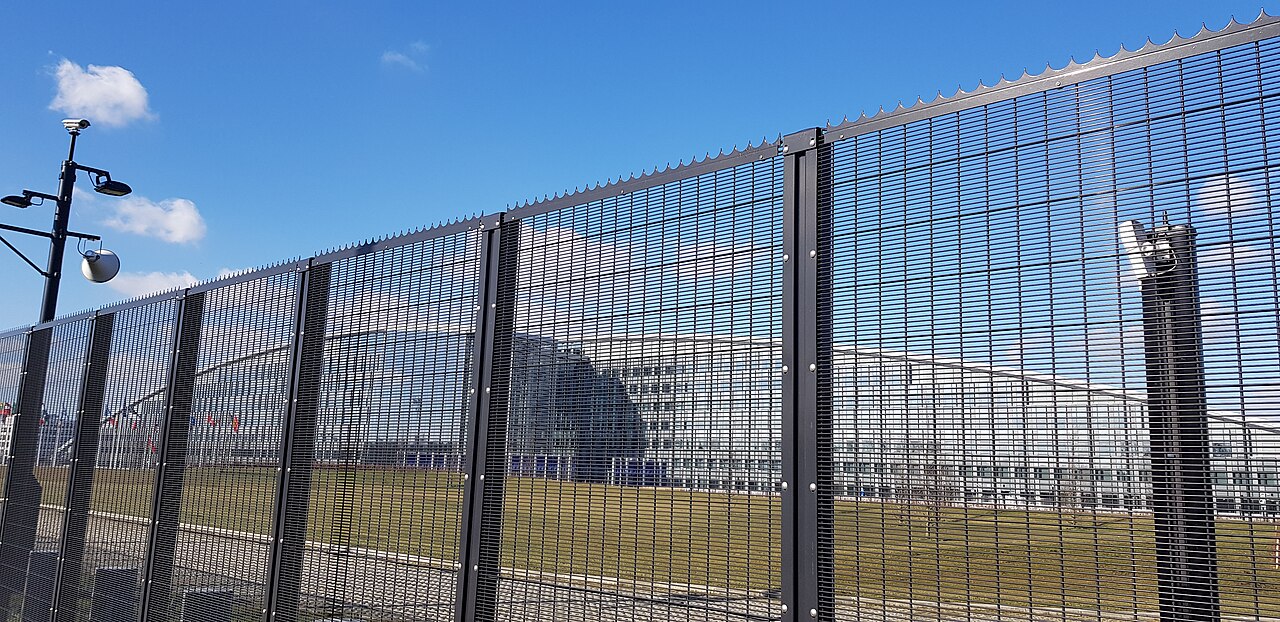
Europe's AI sovereignty debate is moving beyond regulation and into a harder strategic question: who controls access to the models, compute and cloud systems that governments may depend on in a crisis? For years, Europe was seen as the rule-maker in artificial intelligence. Now the question is whether it can also secure the infrastructure behind the rules.
NATO adds a security layer to that question. AI tools are moving into intelligence analysis, cyber defense, logistics, procurement, translation, training and battlefield support. Once those tools become operational, access is no longer a commercial convenience. It becomes part of alliance readiness.
That shift is forcing European governments to confront an uncomfortable dependence. Many of the most capable frontier models, cloud platforms and AI accelerators are controlled by U.S. companies. The alliance relationship is strong, but dependence is still dependence.
Regulation Was Only The First Phase
Europe's first major AI identity was regulatory. The continent positioned itself as the place where AI systems would be classified, audited and constrained by risk. That still matters. But rules do not answer the operational question of what happens when a ministry, military command or critical-infrastructure operator needs reliable model access under pressure.
If a model provider changes pricing, restricts access, modifies safety filters, suffers an outage or becomes subject to export controls, dependent customers have limited options. In normal commercial settings, that is a procurement headache. In defense and national-security settings, it can become a strategic vulnerability.
This is where NATO's AI debate differs from the consumer AI debate. The issue is not whether a chatbot is convenient. It is whether allied systems can rely on AI capabilities without losing control over data, availability or mission-specific behavior.
Access Is A Form Of Power
Model access can be expanded, restricted, prioritized or priced differently depending on policy. That gives providers and their home governments leverage over customers that build critical workflows around those systems.
This leverage does not have to be hostile to matter. A U.S. provider may simply prioritize domestic government demand during a crisis. A cloud region may face capacity constraints. A model may be updated in ways that improve general safety but reduce usefulness for a specialized defense workflow. Allies need to plan for those scenarios before they happen.
The same concern applies to compute. If European AI workloads depend on foreign cloud capacity, then data-center geography, legal jurisdiction, export rules and service-level agreements all become part of security planning.
Sovereignty Does Not Mean Isolation
The goal is not to reject U.S. models. It is to preserve bargaining power and operational continuity. Governments need fallback paths, clear data boundaries, auditable deployments and enough domestic capability to avoid becoming locked into one geopolitical stack.
A realistic sovereignty strategy will be layered. Europe can use U.S. frontier models where they are clearly best, build domestic or European models for sensitive workflows, invest in trusted cloud infrastructure and require procurement contracts that guarantee portability.
That approach is less dramatic than full technological independence, but more practical. No major economy can rebuild the entire AI stack overnight. The urgent task is to avoid single points of failure.
Defense AI Has Different Requirements
Defense and security users need more than raw model capability. They need audit logs, classified or controlled deployment environments, predictable behavior, red-team testing, explainability for high-stakes use, and rules for human authorization.
They also need models that can operate within doctrine and legal constraints. A general commercial assistant may not be appropriate for intelligence analysis or command support without specialized controls. The more sensitive the workflow, the more procurement resembles weapons-system acquisition rather than software licensing.
This creates an opening for European AI firms, defense contractors and cloud providers. They may not need to beat U.S. frontier labs at every benchmark. They need to offer trustworthy systems for specific government and defense use cases.
The Alliance Problem Is Also A Market Problem
NATO countries will have to decide whether to pool demand, coordinate standards and support shared AI infrastructure. Fragmentation would weaken Europe's bargaining position. A unified market for trusted defense AI could make domestic suppliers more viable.
For private companies, the signal is clear. AI sovereignty is not only a political slogan. It is becoming a procurement category, a cloud architecture requirement and a risk-management framework.
Topics: NATO, AI sovereignty, model access, Europe AI