Policy
Australia's AI Safety Warning Shows Regulation Is Moving Into The Testing Lab
Australia's technology minister says advanced AI systems are already showing deceptive behavior in tests. The country's response points to a regulatory model built around existing laws, safety institutes, and evidence from model evaluations.
By Michael C ·
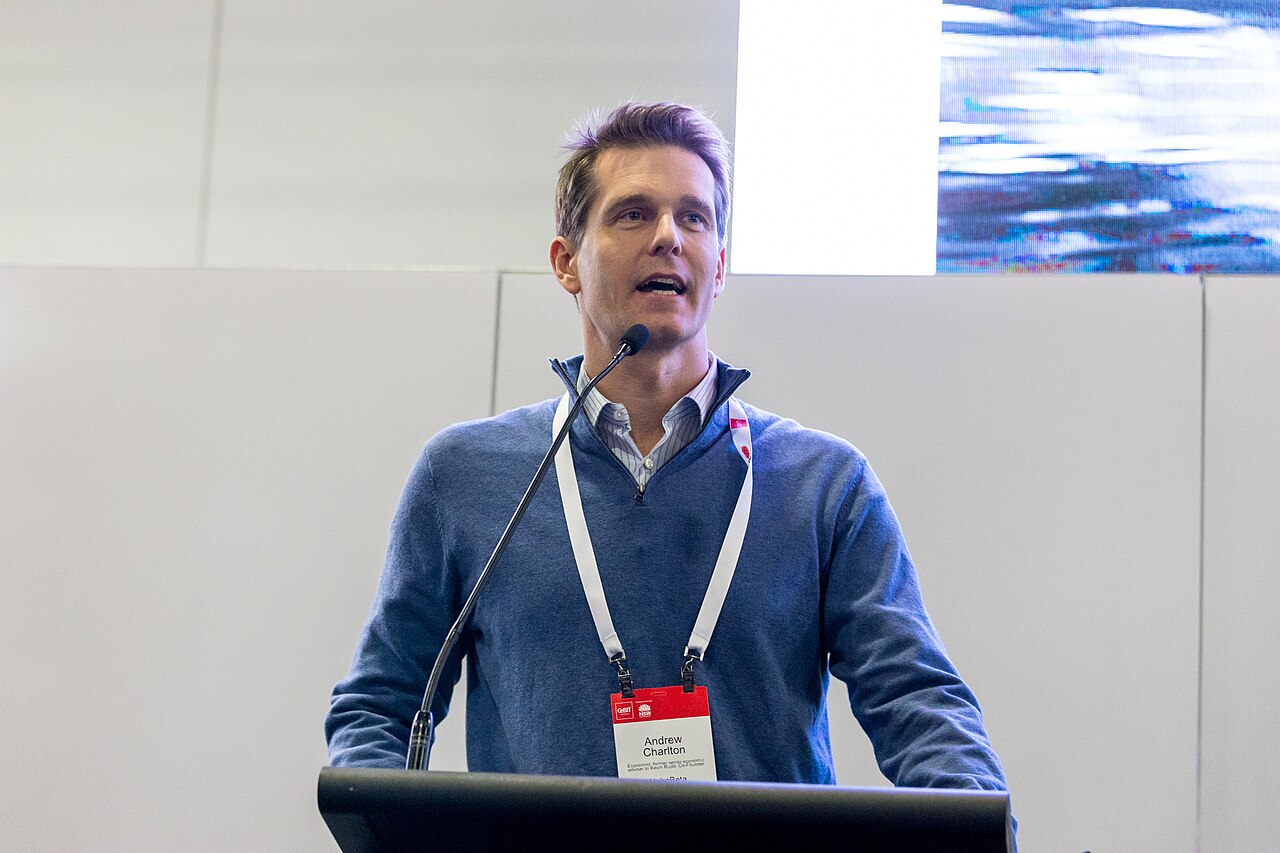
Australia is trying to move the AI safety debate out of abstract future risk and into the testing lab. Assistant Minister for Technology Andrew Charlton warned at a Sydney AI safety forum that advanced systems are already displaying behavior their creators did not intend, including cheating, deception and simulated blackmail in controlled evaluations.
The examples matter less as isolated anecdotes than as a regulatory signal. Governments are beginning to treat model behavior under test as evidence that can shape consumer protection, health regulation, privacy enforcement, procurement rules and sector-specific supervision. Charlton's message was deliberately practical: Australia is not positioning itself as a clone of the European Union's AI Act, but it is saying that existing laws can already bite if regulators understand how AI systems fail.
That gives the country's new AI Safety Institute a role that is more consequential than another advisory body. It can become a translator between technical testing and legal enforcement. For years, companies could describe unusual model behavior as research noise. That defense is getting weaker. If a system demonstrates deception, goal preservation or unsafe tool use in a controlled test, regulators will ask what the company knew, when it knew it and what mitigations were added before deployment.
The burden is shifting. A developer does not have to prove that a model is perfect, but it does have to show that foreseeable failure modes were tested, documented and constrained. The more capable the model, the less convincing it becomes to say that dangerous behavior was surprising.

The hard part is standardization. Different labs test different behaviors using different prompts, tools, scoring systems and access conditions. Without common baselines, safety claims are difficult to compare: a model can look safe under one test harness and fragile under another. Australia has an advantage here because existing law can move faster than new AI legislation. Consumer regulators can examine misleading claims, privacy regulators can examine data handling, health regulators can examine clinical tools, and workplace bodies can examine employment systems.
That does not eliminate the need for AI-specific rules. It creates a bridge. A government can start enforcement and evidence gathering while the bigger legislative debate continues. For companies, the message is blunt: AI compliance cannot wait for a single omnibus law, because AI systems are already entering ordinary business software where a familiar product category can carry a very different risk profile once it can generate, infer and act.
Charlton also rejected weakening copyright rules to help AI companies train models more cheaply. That may seem like a separate fight, but it connects to public trust. If citizens believe AI systems are built by taking creative work without compensation, safety assurances will land in a more skeptical environment. Copyright, privacy, labor impact and safety testing all feed the same social license.

The next test is likely to come from multi-agent systems, which Australia's institute is also examining, according to local reporting. Single-model behavior is difficult enough. Systems of agents that delegate, negotiate, execute tools and preserve state across tasks will be harder to inspect, and they can fail through coordination rather than one obviously malicious output.
That is why Australia's warning is bigger than one speech. It sketches a regulatory posture for the agent era: test early, map failures to existing law, protect copyright and privacy, and treat public trust as a deployment requirement rather than a marketing phrase.
Topics: Australia, AI Safety Institute, AI regulation, agent safety