Ethics
Listeners Say They Reject AI Music, but Behavior Tells a More Complicated Story
New debate over AI-generated music is separating what listeners say they want from what they stream, putting disclosure, provenance and platform incentives under scrutiny.
By Michael C ·
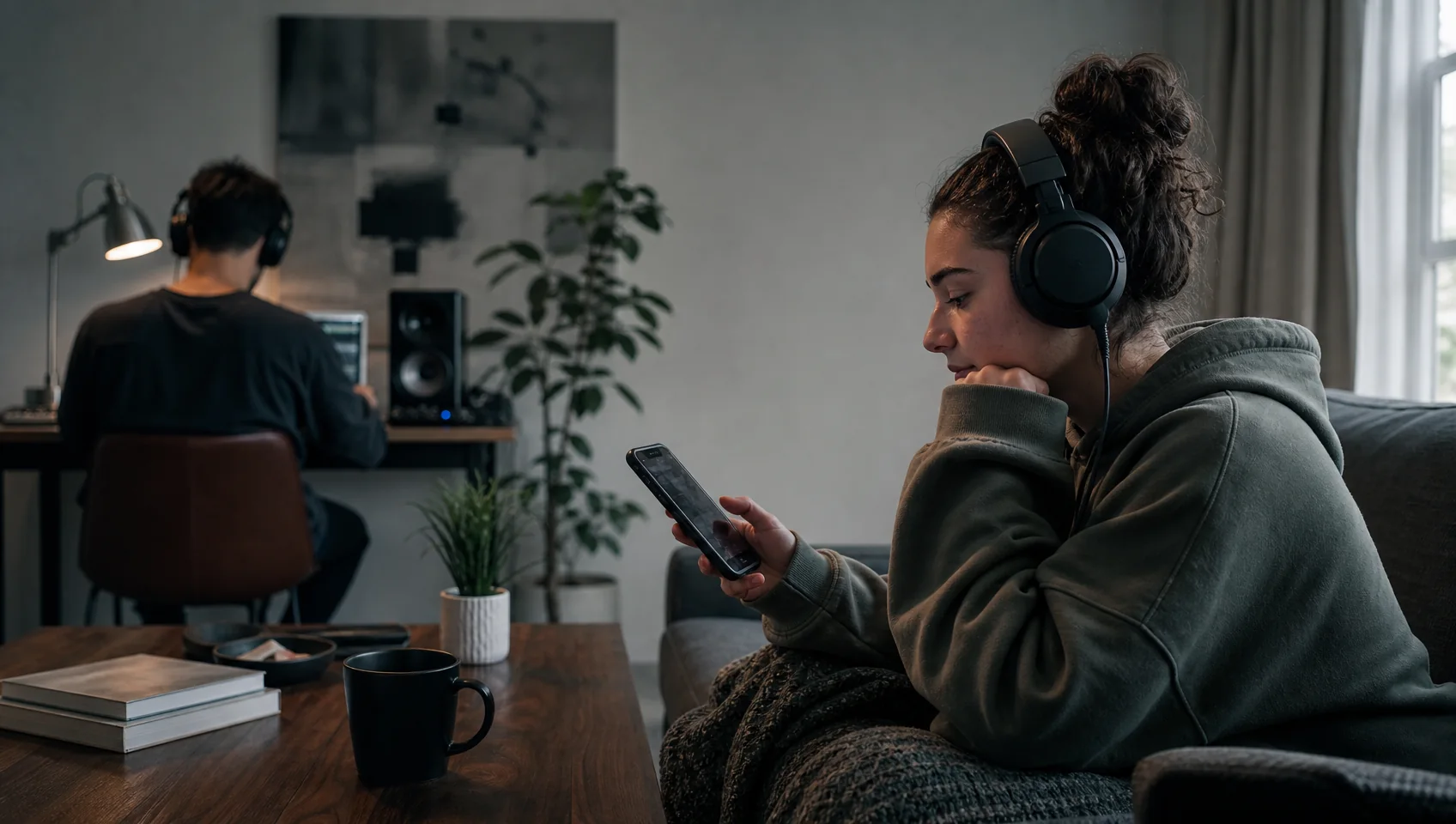
The listener response to AI-generated music. New debate over AI-generated music is separating what listeners say they want from what they stream, putting disclosure, provenance and platform incentives under scrutiny. The development emerged in Unite.AI's September 19 analysis, placing a concrete decision, release or disclosure behind a debate that had often been discussed in broader terms.
Survey objections can coexist with passive listening when a track appears in an algorithmic playlist without a clear label. Preference therefore depends partly on whether provenance is visible at the decision point.
What Changed
Artists are concerned about training consent, imitation and royalty dilution. Platforms are concerned about catalog spam and the cost of policing uploads at enormous scale.
The immediate consequence is operational. Companies, policymakers and technical teams now have to translate the announcement into budgets, controls and measurable outcomes. That process usually exposes the distance between a product claim and a system that can be trusted under real workloads.
Trust depends on more than a disclosure buried in terms of service. People need meaningful notice, a way to challenge consequential outputs and a clear account of who is responsible when an automated system causes harm. UNESCO's AI ethics recommendation and the OECD AI Principles frame those obligations around human agency and accountability.
Reliable provenance will not settle every copyright dispute, but it can give listeners and rights holders better evidence. Disclosure should be standardized enough to travel across distributors and services.
The Next Test
The next evidence will come from implementation rather than promises. Useful reporting should track who receives access, what safeguards are mandatory, how failures are disclosed and whether customers or the public can independently verify the claimed result.
That distinction matters because AI markets move quickly from announcement to assumption. Once a capability is treated as inevitable, procurement and policy can race ahead of the evidence. A disciplined response keeps the opportunity visible without treating uncertainty as an inconvenience.
The listener response to AI-generated music will ultimately be judged by what changes outside the launch cycle: the work completed, the risks reduced, the costs absorbed and the people who retain authority when the system is wrong. Those are slower measurements, but they are the ones that determine whether this development lasts.
Topics: AI music, copyright, disclosure, streaming