Ethics
Suno Breach Allegations Put AI Music Training Data Back Under Scrutiny
Reports that hacked Suno materials show scraping from YouTube Music, Deezer, Genius and other sources have intensified the copyright and security questions surrounding AI music generation.
By Michael C ·
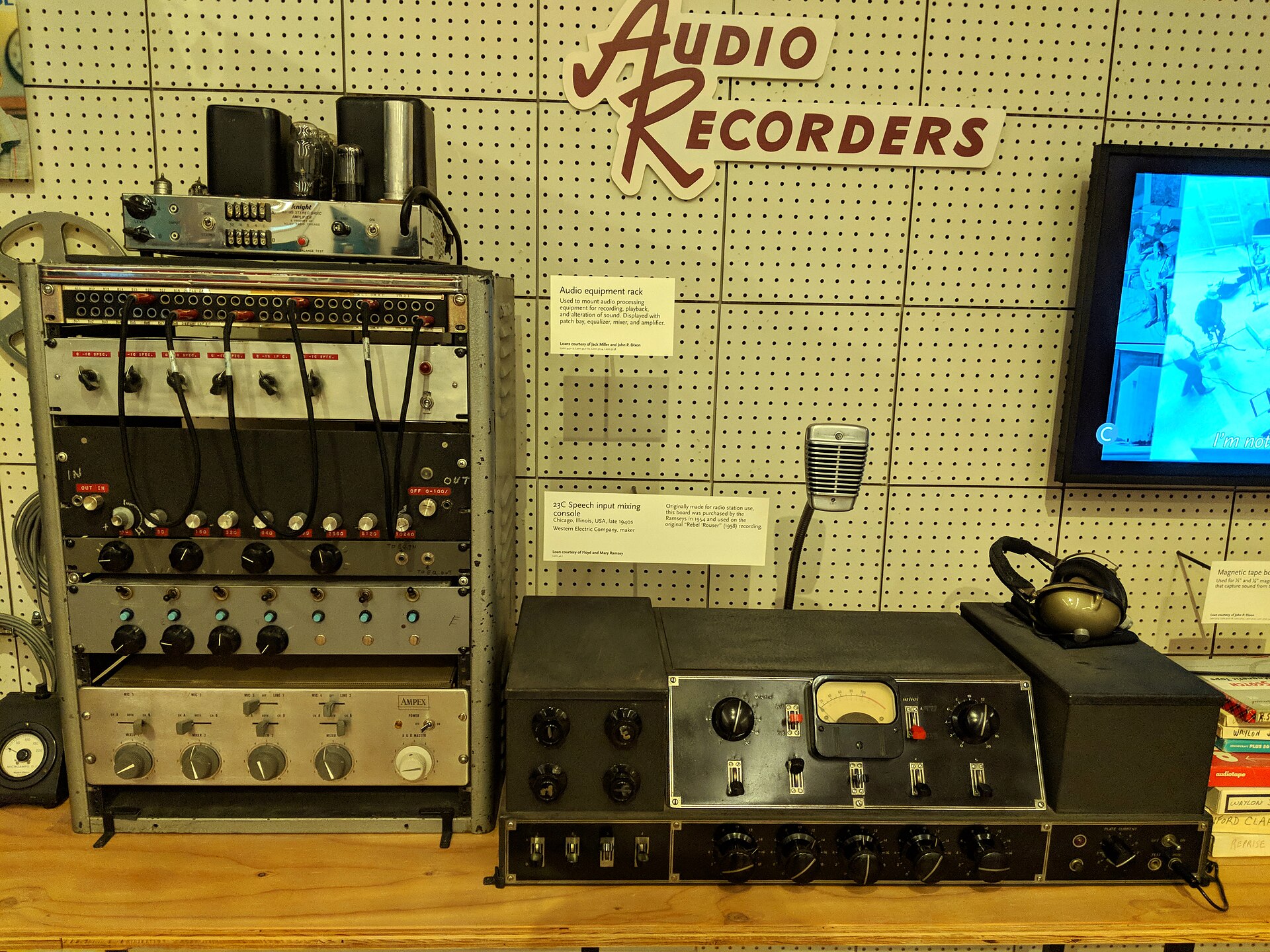
A reported breach at AI music company Suno has reopened one of the most consequential questions in generative media: what, exactly, was used to train the system. TechCrunch reported that 404 Media obtained material from a hacker who said a supply-chain attack exposed source code showing how Suno allegedly scraped audio and lyrics from YouTube Music, Deezer, Genius, stock music libraries and podcast feeds. Suno has described the matter as a limited security incident and, according to TechCrunch, said it was quickly contained. The company has also previously argued that training on publicly available music files is fair use.
The allegations matter because music is not an abstract training corpus. It is a rights-managed business with composers, performers, labels, publishers, platforms, collecting societies and licenses layered on top of one another. A model that learns from millions of tracks can create value for users, but it may also draw from work whose creators never agreed to become training material. That is why Suno and rival Udio have become central cases in the fight between generative AI companies and the recorded-music industry.
TechCrunch reported that major record labels have accused Suno of violating the Digital Millennium Copyright Act by circumventing YouTube protections against scraping, in addition to broader copyright claims. Suno's fair-use argument will likely focus on transformation, scale and the fact that generated songs are not simple copies of the originals. Rights holders will argue that the input market matters too, and that technical restrictions and platform terms cannot be ignored merely because the output is new.

The breach dimension adds a separate problem. If a hacker accessed source code and customer data, as reported, then Suno is not only dealing with a copyright narrative. It is dealing with questions about security controls, supply-chain access, incident disclosure and customer trust. AI companies often speak as if model training data is the only sensitive asset. In practice, source code, scraping systems, datasets, prompts, user accounts and payment metadata can all become evidence in a wider accountability fight.
MusicRadar and Pitchfork both summarized 404 Media's reporting as pointing to scraped material from major music and lyrics platforms. Those secondary accounts are not court findings, and the underlying materials have to be tested carefully. But the reporting is significant because it appears to describe internal infrastructure rather than only external resemblance between outputs and songs. Provenance is more powerful when it is tied to the pipeline.
For artists, the case is another reason to distrust broad statements about public availability. A song may be streamable to a listener without being available for mass extraction, dataset construction and commercial model training. The law will decide some of that boundary. Product design will decide the rest. If AI music platforms want durable legitimacy, they will need clearer licensing, opt-out systems, attribution standards and compensation models that feel real to the people whose work made the category possible.
For AI companies outside music, the warning is broader. Scraping strategy, dataset lineage and security architecture are now board-level risk issues. A model provider can win users quickly and still be exposed if the training pipeline cannot survive discovery, breach reporting or regulator scrutiny. The era when training data could be treated as an unknowable ingredient is ending.
The immediate facts around Suno remain contested and developing. The durable issue is not. Generative music will not be judged only by how convincing a song sounds. It will be judged by whether the industry can explain where the capability came from, who was paid, who consented and how securely the evidence was handled.
Topics: Suno, AI music, copyright, security