Ethics
Embodied AI Needs Safety Standards Before It Needs More Humanoid Demos
Humanoid robots are moving toward pilots, but deployment still depends on safety cases, teleoperation rules, insurance, testing, and accountability. The next robotics breakthrough may be governance.
By Michael C ·
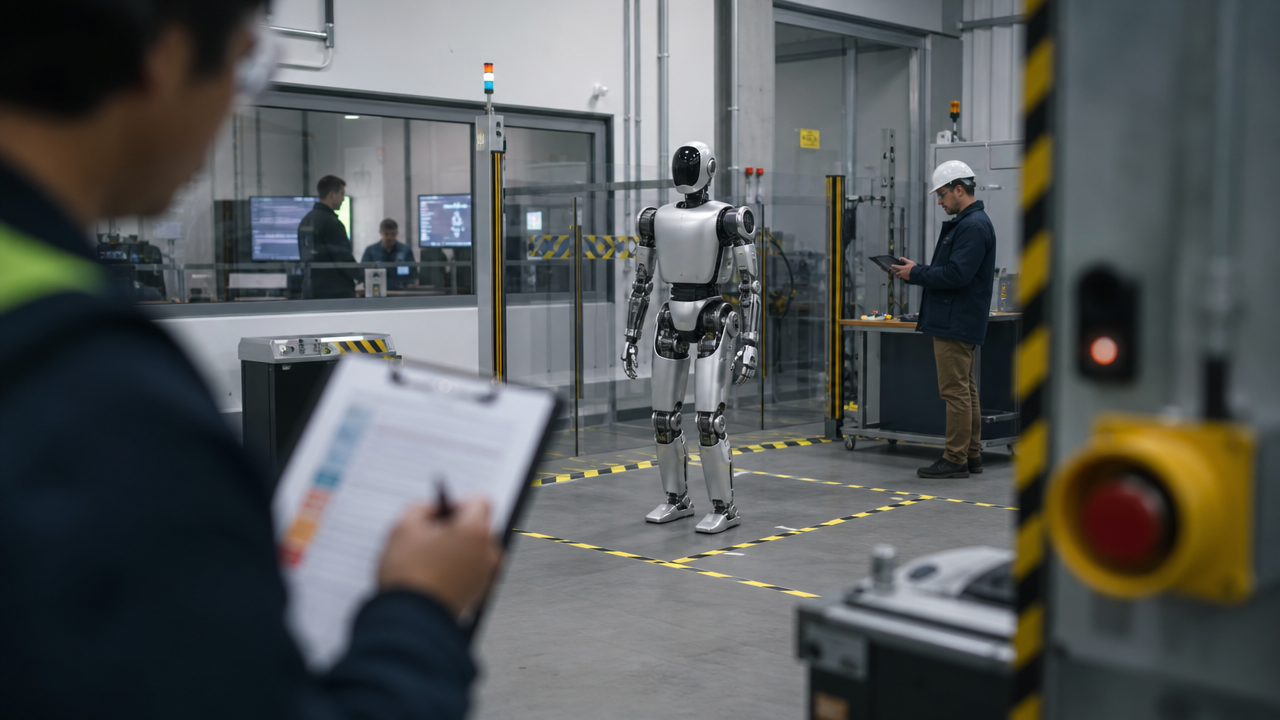
Humanoid robots are attracting capital and attention, but the deployment question is still safety. The industry has plenty of impressive videos. What it needs now are standards for testing, teleoperation, incident reporting, insurance, and human supervision.
That matters because embodied AI interacts with the physical world. A chatbot error can be embarrassing. A robot error can damage property, injure someone, record sensitive data, or create liability between vendors, operators, and property owners.
Deployment Is A Safety Case
A credible robotics pilot should define the operating domain, failure modes, emergency-stop procedures, remote takeover rules, maintenance responsibility, and data retention policy. Without those details, a pilot is closer to marketing than deployment.
This is why standards work may become more important than the next viral robot demo. Companies and regulators need shared language for reliability, intervention rate, acceptable risk, and human-robot interaction.
The First Winners May Be Careful
The most successful robotics deployments may look conservative at first: structured environments, trained operators, limited tasks, logs, and insurance review. That caution is not weakness. It is how physical AI earns trust.
Topics: embodied AI, robot safety, humanoid robots, AI ethics