Ethics
A New Documentary Puts AI Deepfake Abuse Inside The Platform Accountability Fight
Jennifer Siebel Newsom's new documentary Miss Representation: Rise Up spotlights social media harms, online misogyny, and AI-enabled deepfake abuse. The film arrives as regulators and platforms face growing pressure to treat synthetic sexual imagery as a mainstream safety crisis.
By Michael C ·
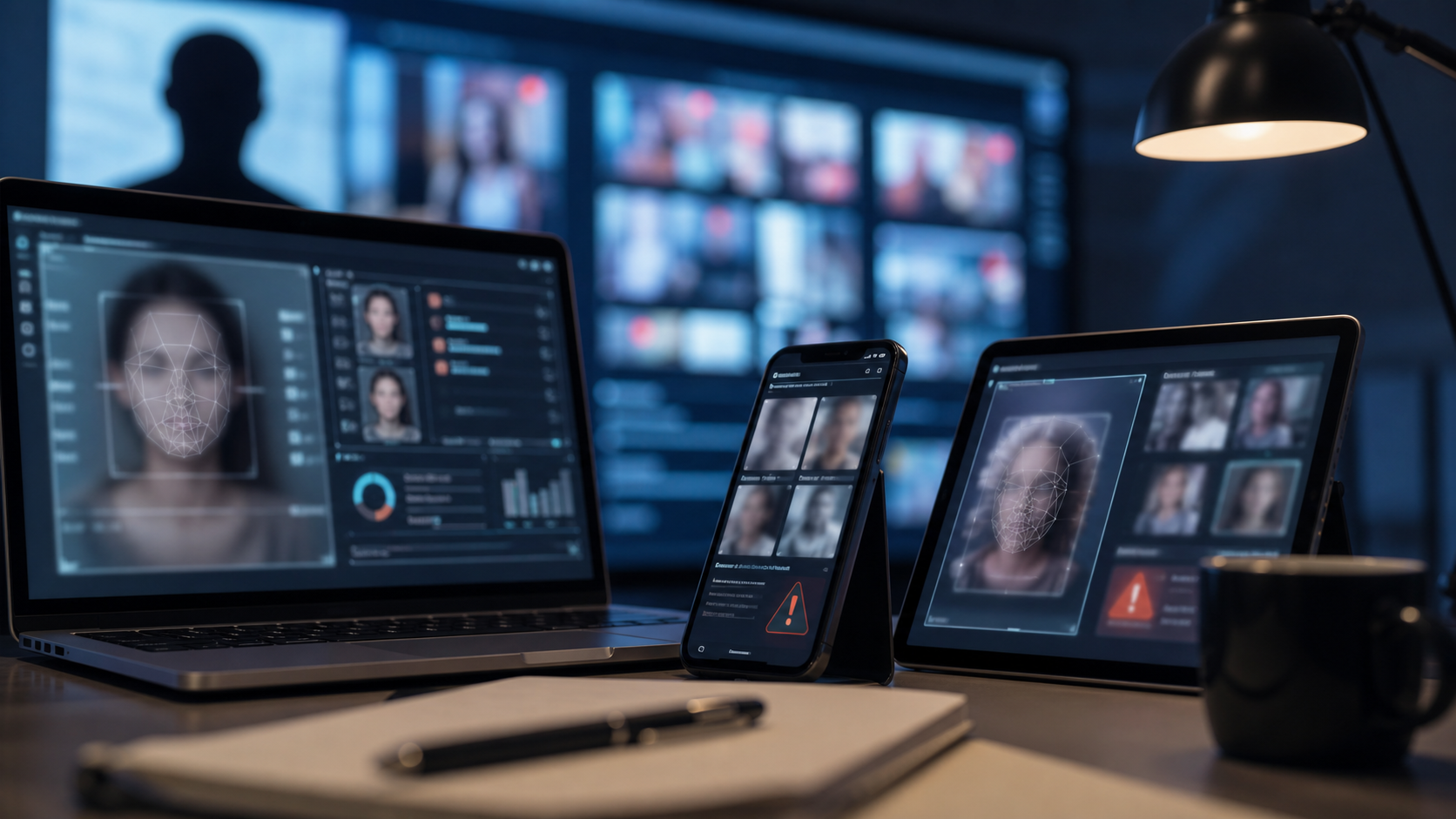
Jennifer Siebel Newsom's new documentary Miss Representation: Rise Up puts social media harms, online misogyny, and AI-enabled deepfake abuse at the center of the platform accountability debate, according to The Guardian. The film's timing is pointed: synthetic sexual imagery has moved from niche forums into mainstream youth, celebrity, and political safety conversations.
The documentary is not only about AI. It is about the incentive system around attention, harassment, and gendered harm. AI matters because it lowers the cost of humiliation. A person no longer needs technical skill to create or circulate a synthetic image that can damage someone's safety, reputation, and sense of control over their own body.
Synthetic Harm Is Still Real Harm
One of the failures in early deepfake debate was the idea that fake images were somehow less serious because the events depicted did not occur. Victims know the opposite. The harm often comes from distribution, coercion, uncertainty, school or workplace exposure, and the knowledge that removal is never complete once an image spreads.

That is why platform design matters. Detection tools, reporting flows, default privacy settings, youth protections, watermarking, and repeat-offender enforcement all shape whether synthetic abuse is treated as an emergency or as just another moderation ticket. The product choices are policy choices.
The Law Is Catching Up Unevenly
Governments are beginning to criminalize nonconsensual synthetic sexual imagery and require faster removals, but the legal map remains uneven. The gap between creation speed and enforcement speed is where abuse flourishes. Even strong laws can feel weak if victims cannot get content removed before it is archived, mirrored, and reshared.
The cultural question is just as important. If deepfake abuse becomes normalized among teens and young adults, legal reforms will be fighting downstream from a damaged consent norm. Education has to explain not only that synthetic image abuse is illegal or punishable, but that it is a violation even when the image is not physically real.
AI Safety Beyond The Model
Topics: AI ethics, deepfake abuse, platform safety, social media