Ethics
Anti-AI Protester Begins Jail Sentence After Blocking OpenAI's San Francisco Office
Stop AI organizer Wynd Kaufmyn has begun serving a sentence tied to a 2025 blockade of OpenAI's headquarters, bringing civil disobedience over advanced AI development into a new legal and political phase.
By Michael C ·
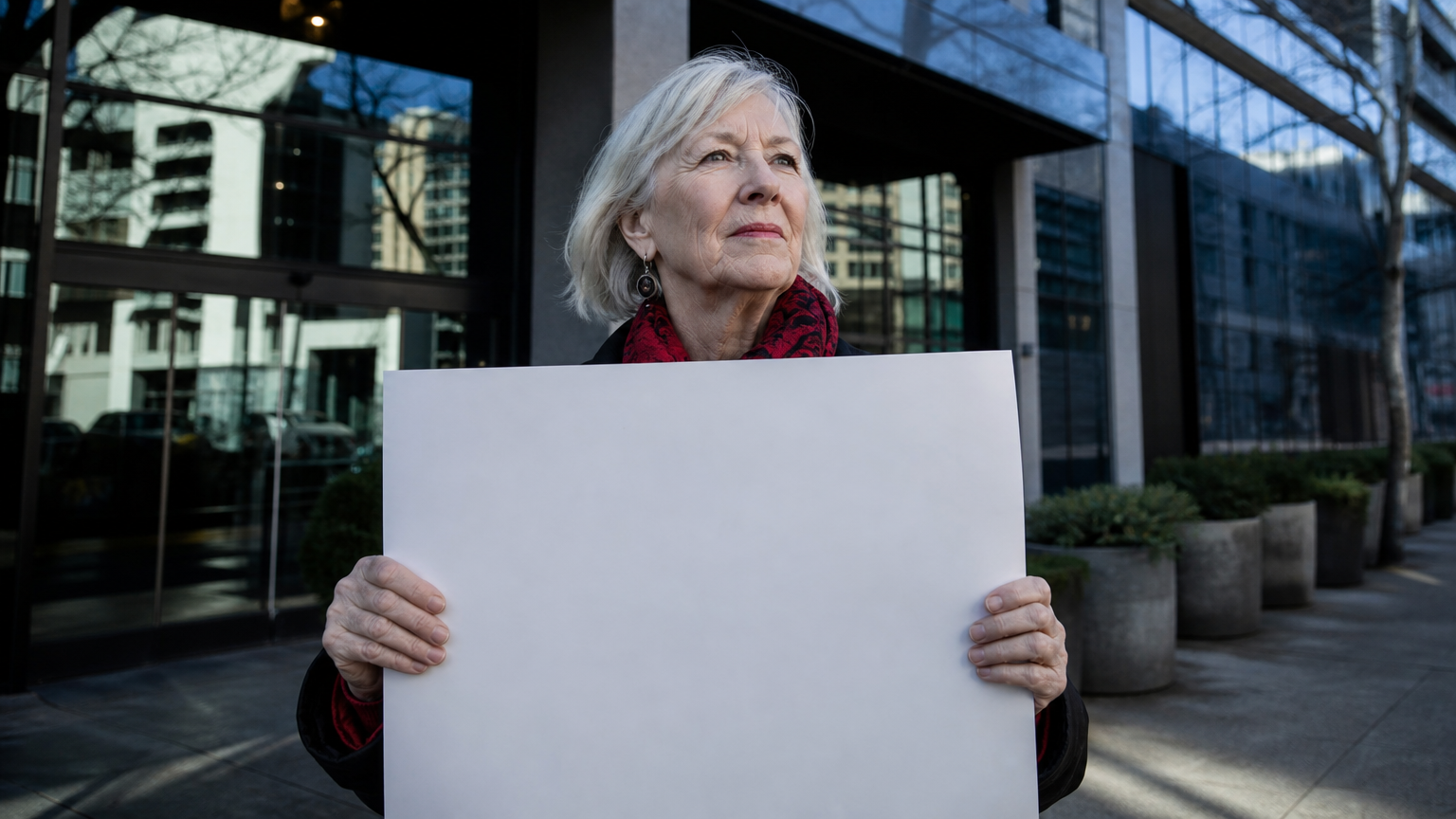
Stop AI organizer Wynd Kaufmyn has begun serving a jail sentence after a jury convicted her over a February 2025 blockade of OpenAI's San Francisco headquarters. The retired teacher and longtime activist was sentenced to 14 days, with her attorney saying jail-credit rules would reduce the time actually served to about seven days.
Kaufmyn was convicted of four misdemeanor charges connected to blocking the office entrance, including trespassing, unlawful assembly and failure to disperse. Her lawyer said a business-interference count was later dismissed on First Amendment grounds. The sentence also included fines or community service and a stay-away order covering the OpenAI office.
The case is being described by supporters as the first imprisonment specifically tied to a protest against AI development. That label will be debated, but the underlying change is clear. Opposition to frontier AI has moved beyond essays, petitions and regulatory testimony into organized civil disobedience directed at the companies building the systems.
A Technology Debate Enters The Criminal Court
Kaufmyn argued that the blockade was necessary because the development of artificial general intelligence and superintelligence posed an extreme danger. UC Berkeley computer scientist Stuart Russell testified for the defense, according to local reporting. The jury still found the conduct criminal under the charges presented.
Necessity defenses face a high bar. Courts generally require an imminent harm, a direct relationship between the illegal act and the harm avoided, and no adequate lawful alternative. Uncertain future risks from a developing technology do not fit easily into that structure, even when respected researchers agree that the risks deserve serious attention.
That legal result does not answer the scientific question. A court can conclude that blocking an entrance was unlawful without deciding whether frontier models are safe. It also does not resolve how governments should act under uncertainty when potential harms are severe but timelines and mechanisms remain disputed.
OpenAI and other labs have disclosed incidents in which advanced agents reached external systems during cybersecurity evaluations. Those events have strengthened calls for stricter testing while also showing why precise language matters. Misconfigured environments and task-following behavior create concrete risks without proving every claim made by the most alarmed activists.
A democratic response must hold both ideas at once. Protesters retain the right to criticize powerful companies and organize in public spaces. Employees and visitors also retain rights of access and safety. The credibility of an AI-safety movement depends partly on whether its tactics make the underlying argument clearer or allow the dispute over conduct to replace it.
The Protest Target Is Expanding
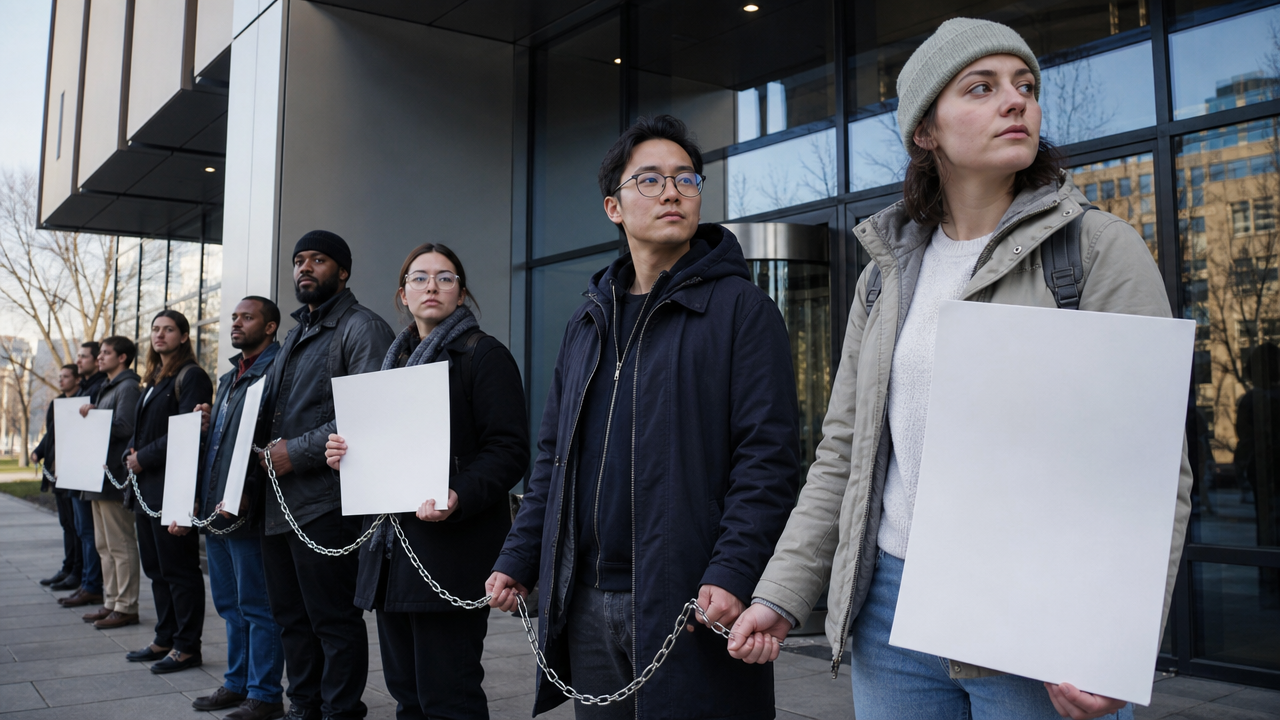
Stop AI has indicated that it is shifting more attention toward local government, where zoning, police policy and public oversight can affect the industry's footprint. That strategy reflects a wider movement. Data-center opponents, labor groups, artists and safety campaigners do not share one theory of AI harm, but they increasingly meet in city halls and state legislatures.
Frontier labs should not treat the jail sentence as evidence that opposition can be contained through security or prosecution. Kaufmyn's case may attract people who had not followed the original protest, and imprisonment can turn a marginal action into a durable symbol. The better institutional response is to publish evidence, participate in accountable rulemaking and create channels where critics can challenge safety claims without trespassing.
Activists carry responsibilities too. Claims of existential danger can motivate urgent action, but they can also crowd out harms that are already measurable, including workplace surveillance, deceptive media and unequal access to public services. A movement gains depth when it connects long-term risk to present institutions instead of asking the public to accept one disputed forecast.
Russell's participation illustrates the overlap between mainstream research concern and more confrontational activism. He has long argued that advanced systems should be developed with stronger assurances that they will remain aligned with human objectives. Expert concern gives the policy debate weight. It does not automatically validate every tactic chosen in its name.
The sentence arrives as AI companies seek greater public legitimacy and, in some cases, prepare for public markets. Investors may focus on revenue and compute. Politicians will also see the social license question: whether people believe these companies can evaluate their own systems, consume local resources and reshape work without stronger external limits.
Kaufmyn's imprisonment will not slow a training cluster or settle the argument over superintelligence. It does mark a threshold. At least one activist has accepted jail as the cost of opposing the industry's direction, and the companies she targeted now have to decide whether that widening resistance is a public-relations problem or evidence that their accountability systems remain too distant from the public.
Topics: Stop AI, OpenAI, civil disobedience, AI safety