Ethics
OpenAI's Reported Screen-Free Device Plans Put Privacy At The Center Of Ambient AI
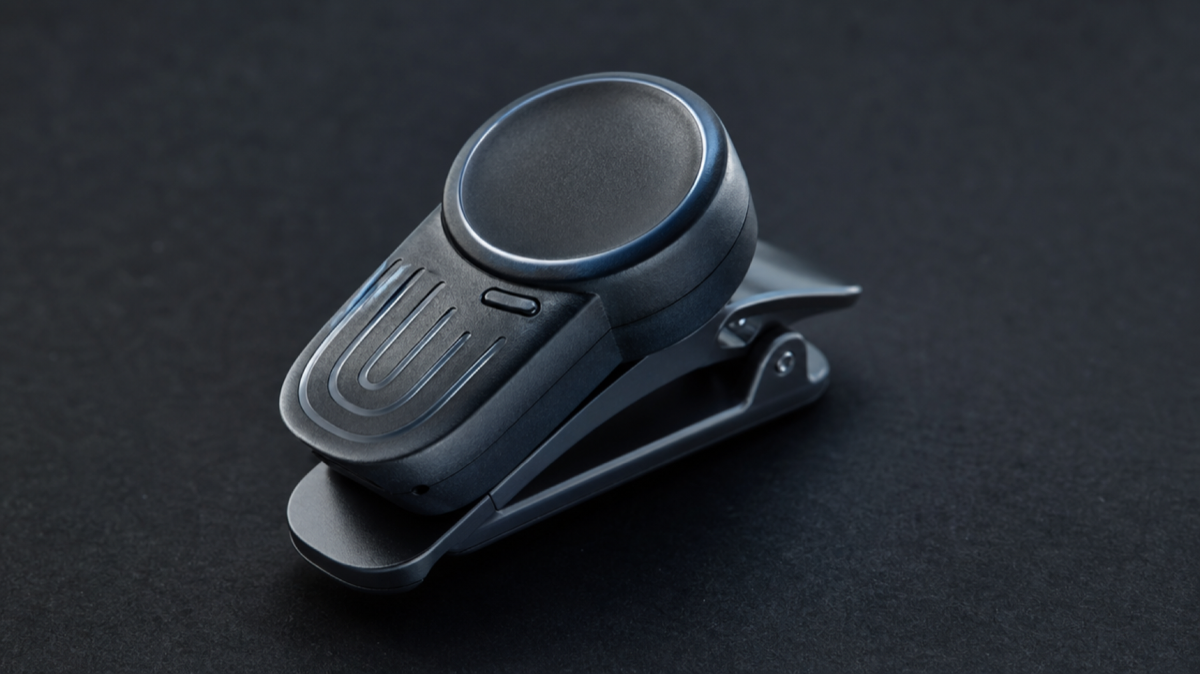
Reports of a mobile, screen-free OpenAI device show why the next consumer AI battle will not be only about voice quality or design. It will be about when an assistant listens, what it remembers, and how much control users retain.
By Michael C ·

Reports that OpenAI is exploring a mobile, screen-free consumer device are renewing an old technology argument in a new form: an assistant that is always easier to reach may also be easier to let into too much of a person's life.
The appeal of ambient AI is obvious. A device that responds naturally through voice could reduce the ritual of unlocking a phone, opening an app and typing a request. It could be useful while walking, cooking, driving, working with tools or helping someone who cannot easily use a screen.
The privacy question starts with the same convenience. A screen gives a person visible boundaries: this app is open, this camera is on, this message is being sent. An ambient assistant can blur those boundaries unless its listening state, recording behavior and data retention are made unmistakably clear.
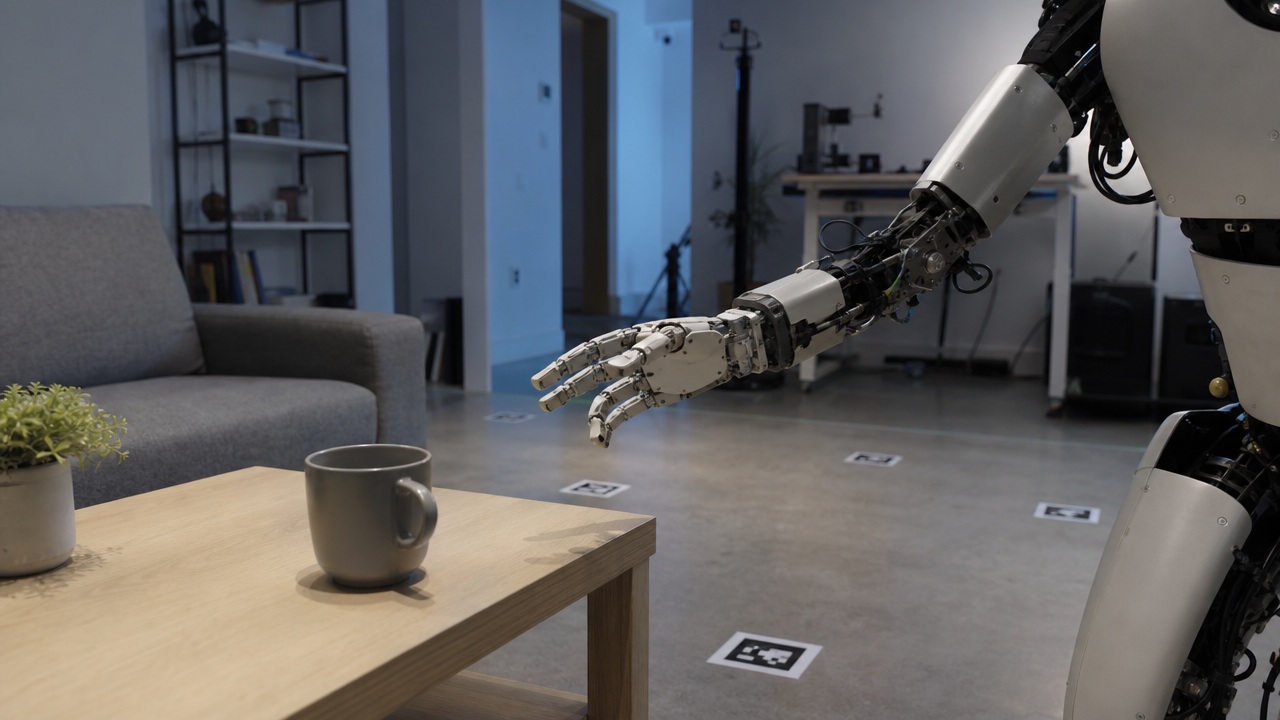
That means physical affordances still matter. A hardware mute switch, visible microphone state, local processing options, deletion controls and easy-to-understand activity history are not small details. They are the difference between a product users can inspect and one they simply have to trust.
The design challenge is heightened when a device is sold as a companion. Voice systems can feel intimate because they are conversational, responsive and present in moments that previously belonged to private reflection. That can make people disclose more than they would to a search box or an app form.
OpenAI has not publicly detailed a consumer device roadmap, and any reported plans can change. But the direction of travel is clear across the industry. The biggest AI companies are looking for interfaces that move beyond a browser tab, where the assistant can be present throughout the day rather than summoned only when needed.
Regulators will care about consent, data minimization, children's use and whether a product's defaults match the reasonable expectations of people nearby, not only its registered owner. Families and workplaces will care about the more basic question of whether they can tell when the system is paying attention.
The hardware race will reward products that feel magical. The enduring winners will be the ones that make their boundaries just as visible as their intelligence.
Topics: OpenAI, AI hardware, privacy, ambient computing