Ethics
DeepMind And A24 Bring AI Research Into Film, With Creative Control In Focus
Google DeepMind and A24 have announced a research partnership that puts generative AI inside a high-profile film studio context, where consent, credit and creative control will matter as much as output quality.
By Michael C ·
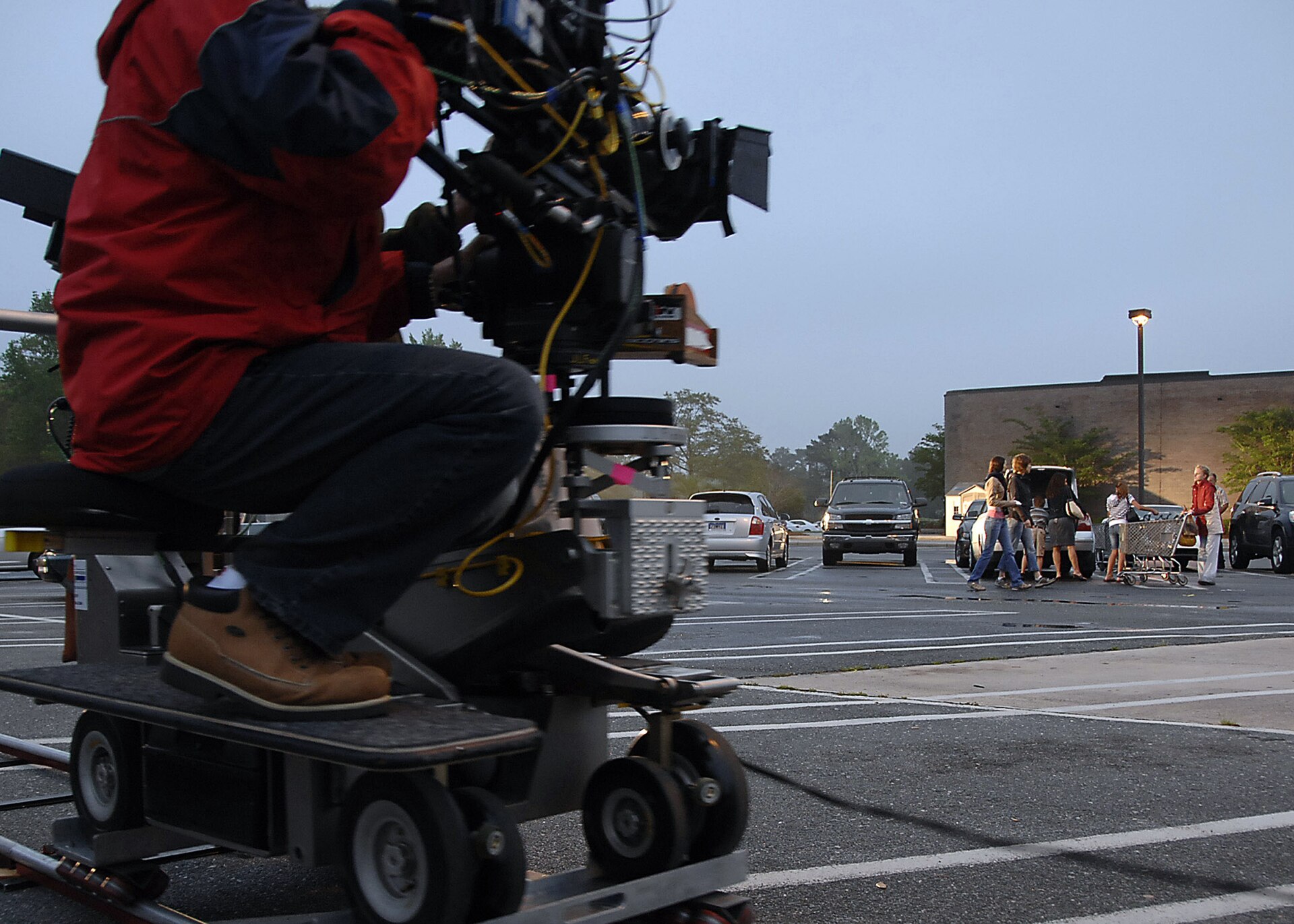
Google DeepMind and film studio A24 have announced what DeepMind describes as a first-of-its-kind research partnership. The announcement places generative AI in a creative industry that is already arguing about training data, performers' likenesses, authorship and who gets to decide when a tool becomes part of the production process.
A research partnership is not the same as a commitment to replace artists with a production system. That distinction matters. Film involves development, design, editing, visual effects, marketing and distribution, each with different labor agreements and different expectations about attribution. A useful collaboration would test tools in ways that expand creative options without treating consent as an afterthought.
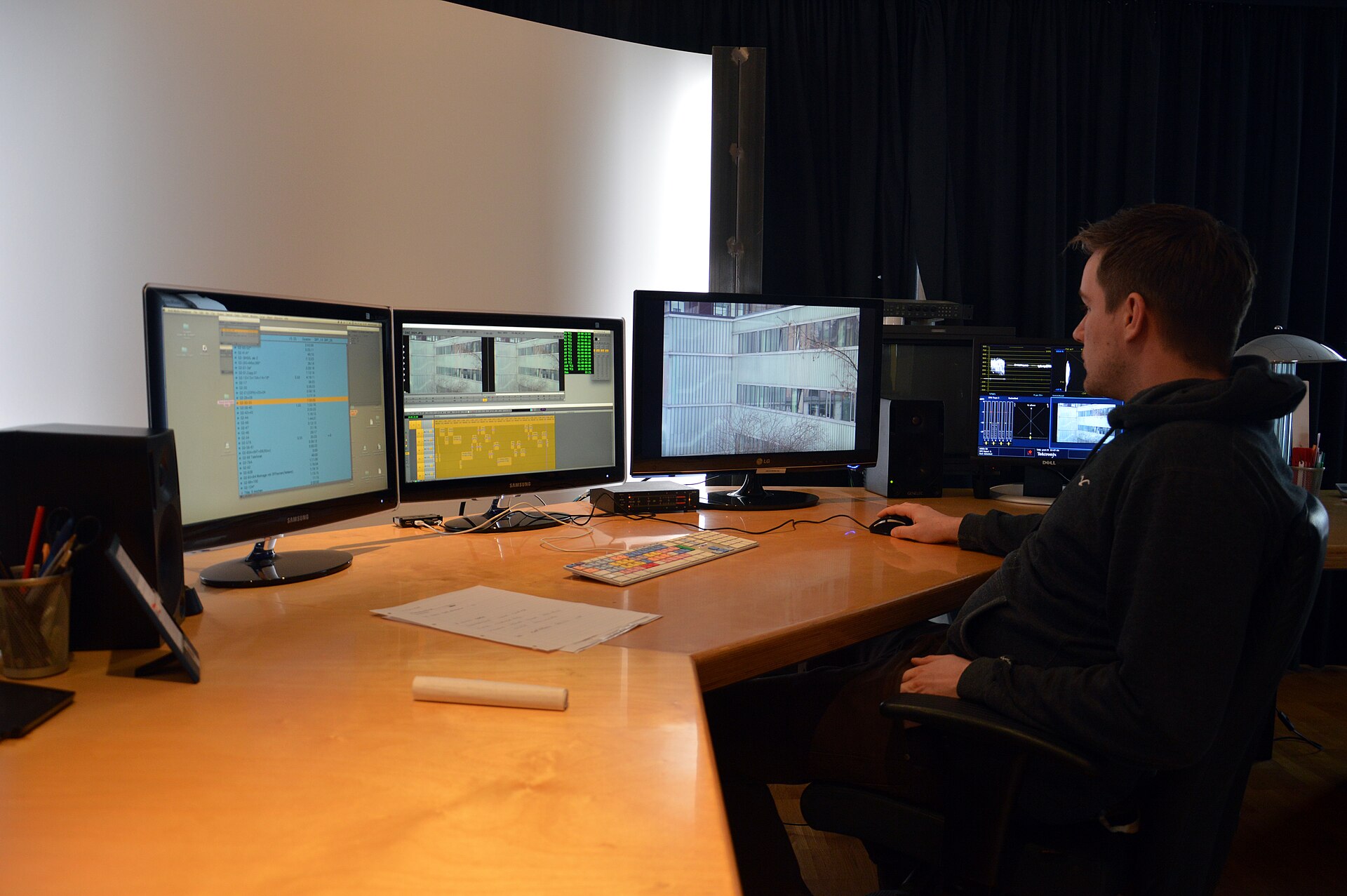
The most difficult questions will be ordinary ones. Can a filmmaker control what reference material is used? Can a performer decline a synthetic use of their likeness? Can a visual-effects artist understand which part of a shot was generated and which was modified by a person? Can a studio preserve a usable record of those decisions? Those are governance questions, but they are also practical production questions.
The partnership arrives while studios are trying to separate genuine efficiency from a promise of frictionless creation. Generative systems can speed up exploratory work, translation, previsualization and administrative tasks. They can also introduce copyright, bias and provenance problems that consume time later. The value of a serious research program is not that it makes every use case automatic. It is that it identifies which uses can be made accountable.
A24's involvement gives the project cultural weight, but the test will be transparency. The industry does not need another declaration that AI is inevitable. It needs evidence about how tools are used, what creators can refuse and whether the benefits of automation are shared with the people whose work gives a film its character.
Topics: Google DeepMind, A24, film, generative AI