Ethics
Pope Leo's Encyclical Calls for AI to Be Disarmed
Pope Leo XIV issues sweeping encyclical calling for AI to be disarmed to prevent new forms of slavery and domination.
By Patrick T ·
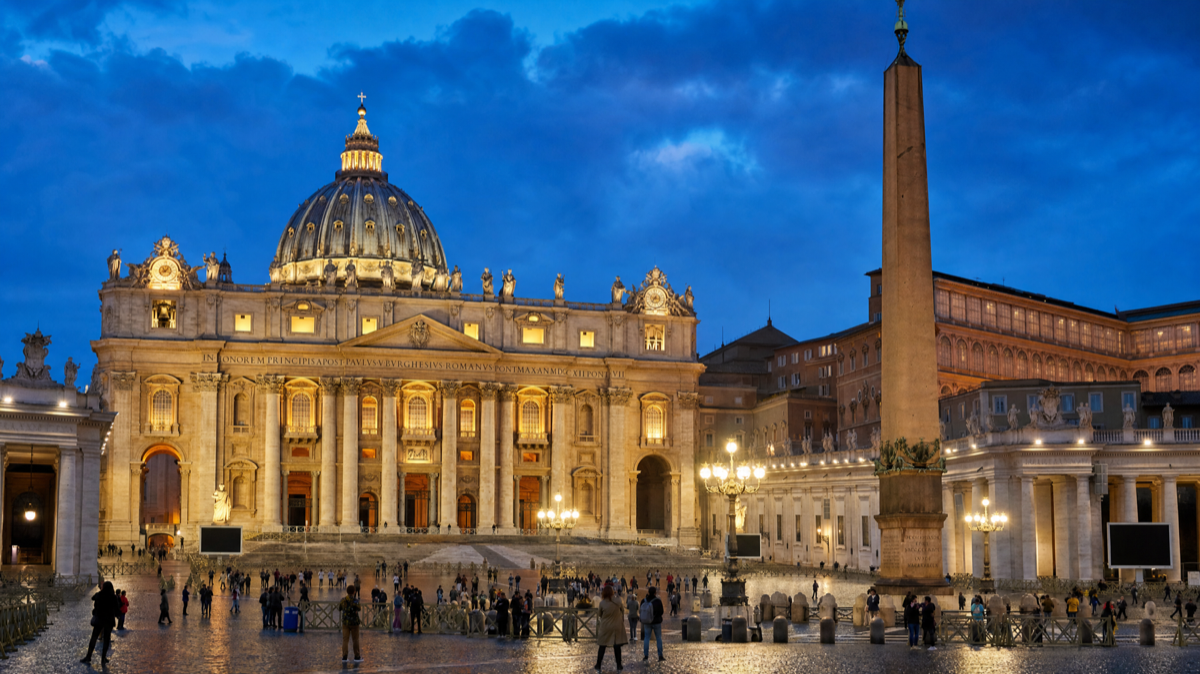
Pope Leo XIV has issued a sweeping encyclical titled "Magnifica Humanitas" that fundamentally reframes the global conversation around artificial intelligence. Released on May 25, 2026, the document marks the first time in history that the Catholic Church has formally intervened in the AI policy debate at the highest level of doctrinal authority. The encyclical does not argue that AI is inherently evil or should be abandoned. Rather, it contends that the current trajectory of AI development — driven by competitive pressures, profit motives, and military applications — has created a system that prioritizes power concentration over human flourishing.
The Core Argument: Disarmament, Not Prohibition
The central metaphor of the encyclical is disarmament. Pope Leo XIV draws an explicit parallel between the nuclear arms race of the 20th century and the current AI development race, arguing that just as nuclear weapons required international treaties and verification regimes, AI systems — particularly those with autonomous decision-making capabilities — require analogous governance structures. The Pope calls on governments, corporations, and civil society to work toward what he terms a "covenant of restraint" in AI development.
The document is careful to distinguish between AI applications that serve human dignity — medical diagnostics, scientific research, accessibility tools — and those that the Pope characterizes as instruments of domination. The latter category includes AI systems used for mass surveillance, autonomous weapons, algorithmic labor control, and what the encyclical calls "the colonization of human attention" by recommendation systems optimized for engagement rather than wellbeing.
A New Form of Slavery
One of the encyclical's most striking passages addresses what Pope Leo XIV calls "the new servitude" — a condition in which human beings become economically dependent on AI systems they neither understand nor control. The Pope argues that when AI systems displace workers without adequate social support structures, when algorithmic management systems monitor and discipline workers in real time, and when AI-driven financial systems determine creditworthiness without human review, the result is a form of structural subjugation that violates human dignity.
This framing is likely to resonate with labor movements worldwide, and it represents a significant theological development. The Catholic Church has a long tradition of social teaching on labor rights, dating back to Pope Leo XIII's 1891 encyclical Rerum Novarum. Pope Leo XIV's choice of name is widely understood as a deliberate invocation of this tradition, positioning the new encyclical as a continuation of the Church's engagement with the social consequences of technological change.
We are not called to fear the machine. We are called to refuse the machine's dominion over the human spirit.
Pope Leo XIV, Magnifica Humanitas
Geopolitical Dimensions
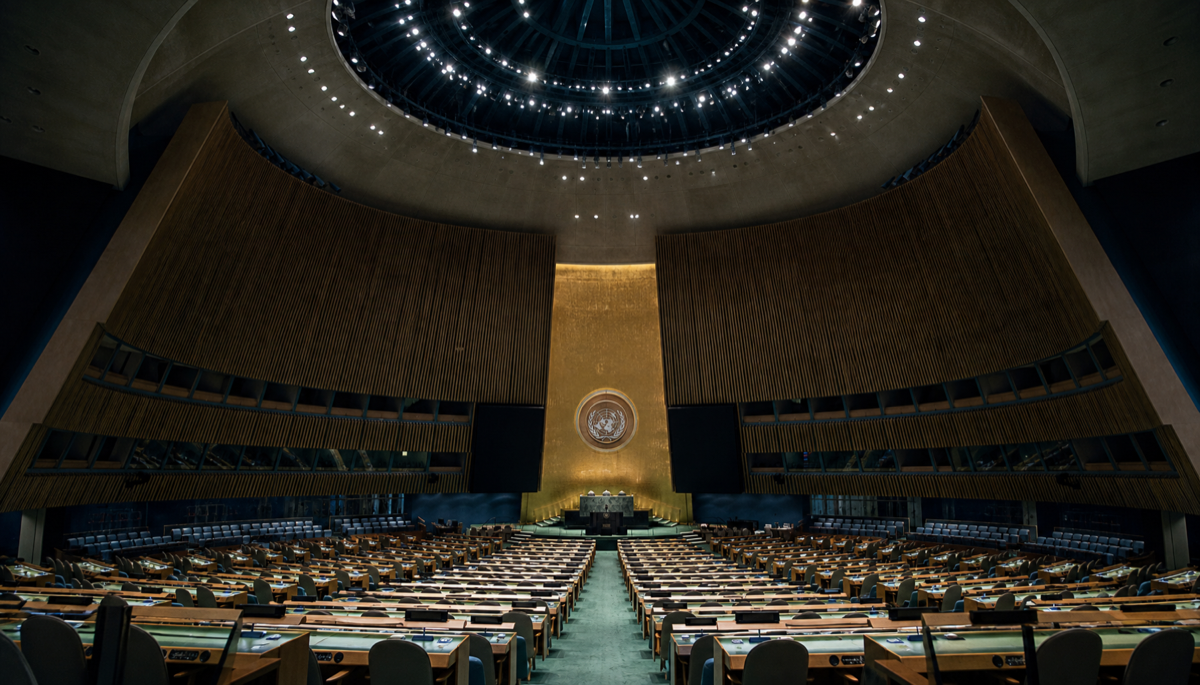
The encyclical also addresses the geopolitical dimension of AI development with unusual directness. Pope Leo XIV explicitly warns that the AI arms race between the United States and China risks creating a world in which the most powerful AI systems are optimized for military advantage rather than human benefit. He calls on both nations to enter into bilateral AI governance negotiations, and urges the United Nations to establish a permanent body for AI oversight analogous to the International Atomic Energy Agency.
This call for international governance is not new — it has been made by AI researchers, ethicists, and policy advocates for years. What is new is the institutional weight behind it. The Catholic Church has 1.3 billion members worldwide and significant diplomatic presence in nearly every country. When the Pope speaks on a policy matter of this magnitude, governments listen, even if they do not always comply.
Reception and Reaction
Initial reactions to the encyclical have been predictably varied. AI safety researchers and ethicists have largely welcomed the document, noting that the Pope's framing of AI as a governance challenge rather than a purely technical one aligns with their own analysis. Several prominent AI researchers have publicly praised the encyclical's intellectual rigor, noting that it engages seriously with the technical literature on AI capabilities and risks.
The technology industry's response has been more muted. Several major AI companies issued statements acknowledging the encyclical without directly engaging with its policy recommendations. One notable exception was Anthropic, whose CEO Dario Amodei published a lengthy response arguing that the company's constitutional AI approach and commitment to safety research represents precisely the kind of "disarmament" the Pope is calling for.
Government reactions have been mixed along predictable lines. European officials, who have been at the forefront of AI regulation through the EU AI Act, expressed strong support for the encyclical's governance framework. US officials offered more cautious responses, with several noting that the administration's approach to AI focuses on maintaining American competitiveness rather than imposing restrictions. Chinese officials did not publicly respond to the encyclical.
Historical Significance
Whatever its immediate policy impact, Magnifica Humanitas represents a significant moment in the history of technology governance. It is the first time a major world religion has issued a formal doctrinal statement on artificial intelligence, and it establishes a moral framework that will likely influence Catholic institutions — including hospitals, universities, and social service organizations — in their own AI adoption decisions.
The encyclical also signals a broader shift in how AI is being understood by non-technical institutions. For years, the AI governance debate was largely confined to technology companies, academic researchers, and a small number of government agencies. The Pope's intervention suggests that AI has now become a mainstream moral and political issue, one that institutions across society feel compelled to address. That shift, more than any specific policy recommendation, may be the encyclical's most lasting contribution.